


 Beijing + Tibet Tours
 Chengdu + Tibet Tours
 Shanghai + Tibet Tours
 Xining + Tibet Tours


Tibet Winter Vacation Tour - Warmth, Luxury, Serenity and Unmatched Beauty
Discover Tibet in Winter - A Season of Pure Magic!
Winter unveils Tibet’s purest magic: crystal-clear skies with 3,000+ annual sunshine hours paint snow-capped peaks like Everest and Namtso Lake in surreal hues, while frozen wonders—blue ice at Nyingchi's glaciers, golden Himalayan sunrises—and intimate cultural moments (Tibetan New Year, candlelit monasteries) thrive in the quiet season. Fewer crowds mean deeper connections to the land, making it the ideal time to experience Tibet’s untamed beauty.
Our exclusive winter itineraries blend iconic landmarks (Potala Palace, Mount Everest) with hidden gems: private guided tours, blue glaciers, nomadic valleys, and stays in 4-star+ oxygen-rich hotels. Enjoy personalized service—private drivers, multilingual guides, and custom activities like star-gazing at 5,000m—paired with perks: free entry to 80+ sites and 30-50% off transport/lodging. Winter Tibet isn’t just a trip; it’s an odyssey of serenity, luxury, and unmatched value. Embrace the season—your adventure awaits.
| Core Advantage | Key Benefits |
|---|---|
| Unbeatable Policies, Unmatched Savings |
|
| Winter’s Secret Beauty |
|
| Tailored Tour Packages - Your Pace, Your Journey |
|
Exceptional journeys, unforgettable memories! See what our recent happy travelers have shared about their private China tours with us.


Top 8 Tibet Winter Tour Packages
All four tours are private packages, encompassing Tibet's best highlights and immersive experiences. Perfect for winter holidays.
-
 Best Seller
Lhasa
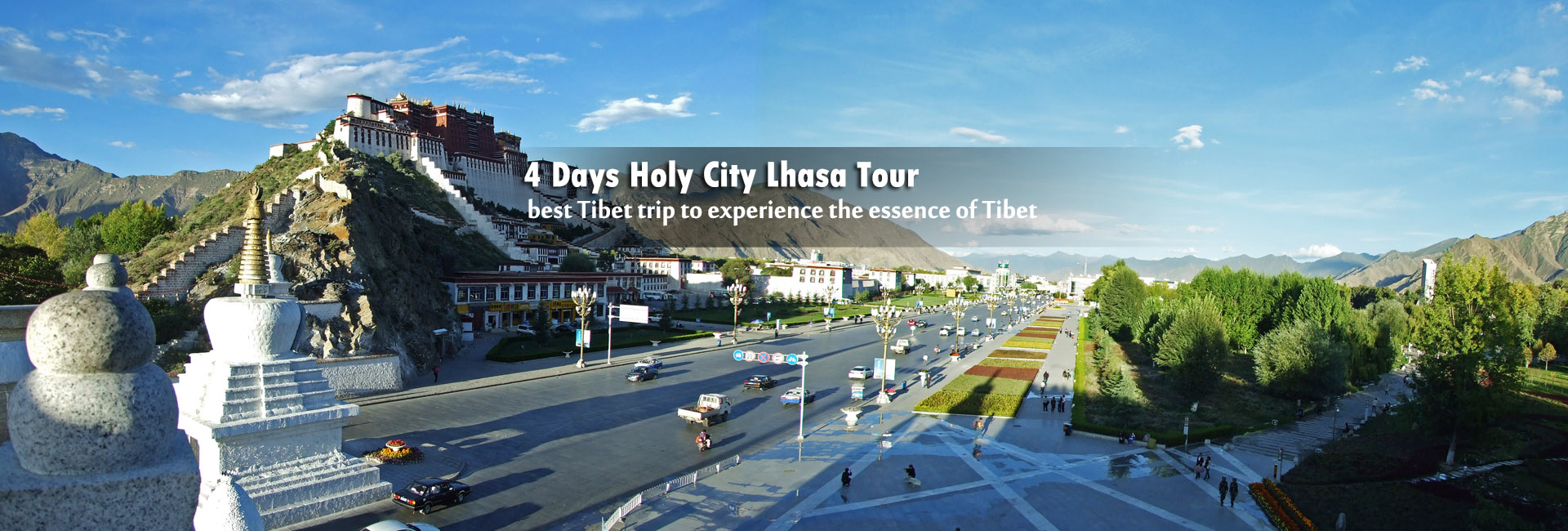
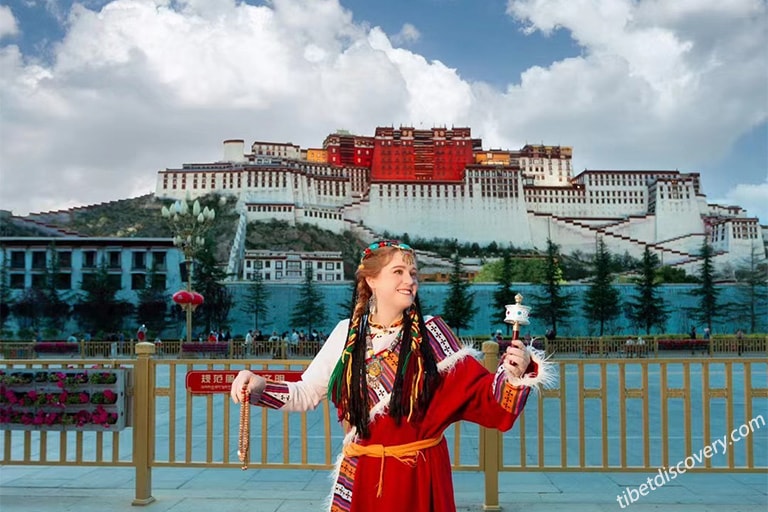
4 Days Holy Lhasa City Highlights Private Tour with Cultural Heritage Treasure
4-Day Lhasa Private Tour: This is one of our most popular tour packages in Tibet. On this classic journey, you will explore the best attractions of Lhasa in 4 days, perfect for those with limited travel time and first-time travelers.
-
 Best Seller
Lhasa / Yamdrok Lake / Gyantse / Shigatse / Mount Everest / Lhasa
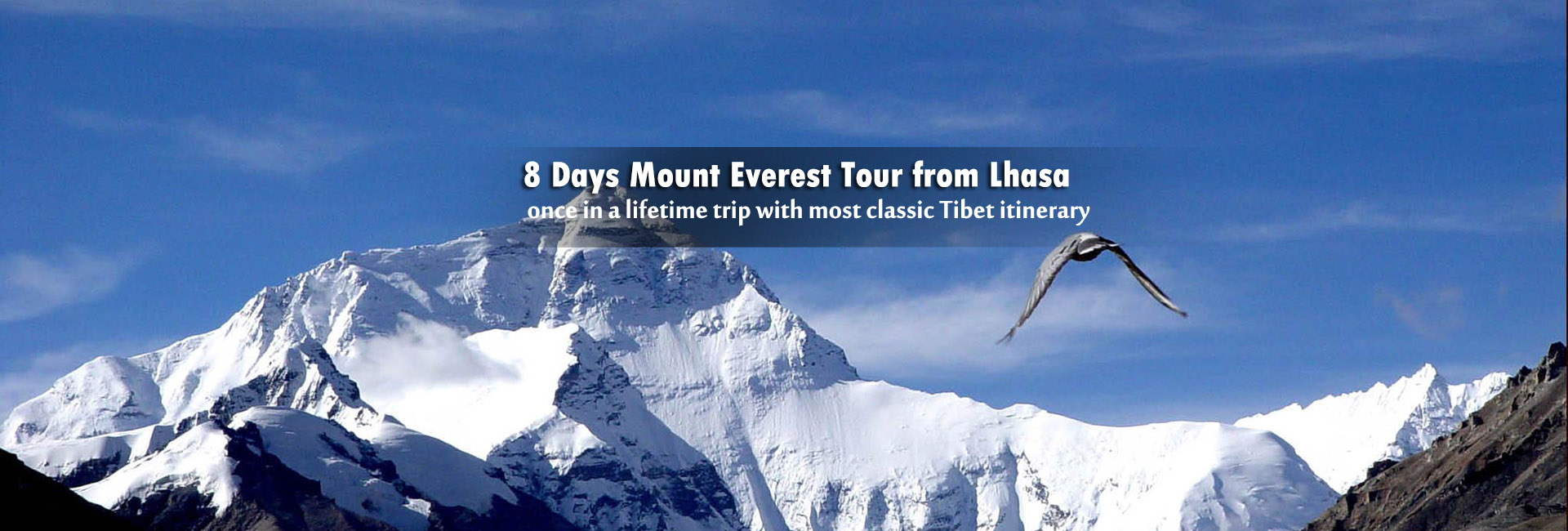
8 Days Lhasa to Mount Everest Private Tour with Base Camp Experience
Tibet tour wouldn't be complete without a visit to Mount Everest. This 8 Days Lhasa to Mount Everest Private Tour offers you a complete Tibet tour and weaves together Tibet's most classic sights into a package.
-
 Best Seller
Lhasa / Yamdrok Lake / Gyantse / Shigatse / Mount Everest / Namtso Lake / Lhasa
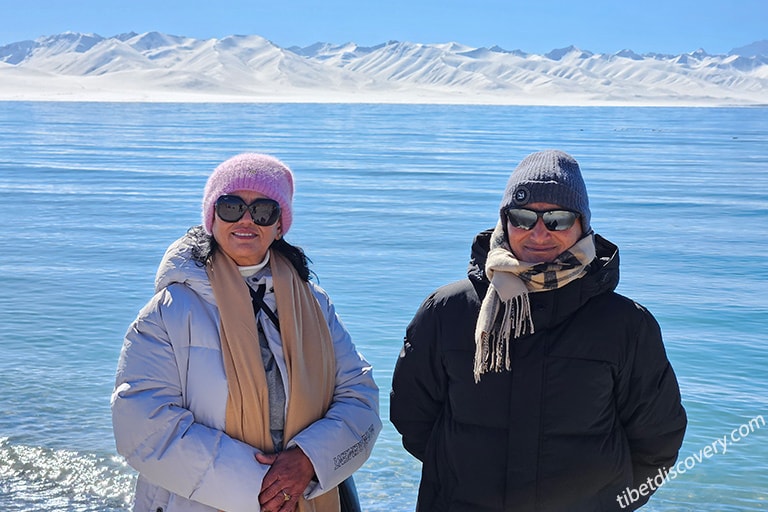
9 Days In-depth Tibet Discovery Private Tour plus Everest and Namtso Expedition
This 9 Days In-depth Tibet Discovery Private Tour will take you follow popular destinations from Lhasa to Gyantse, Shigatse, Mount Everest and Namtso Lake. All must-see places for first-timers with once-in-a-lifetime experience.
-
 Essential
Lhasa
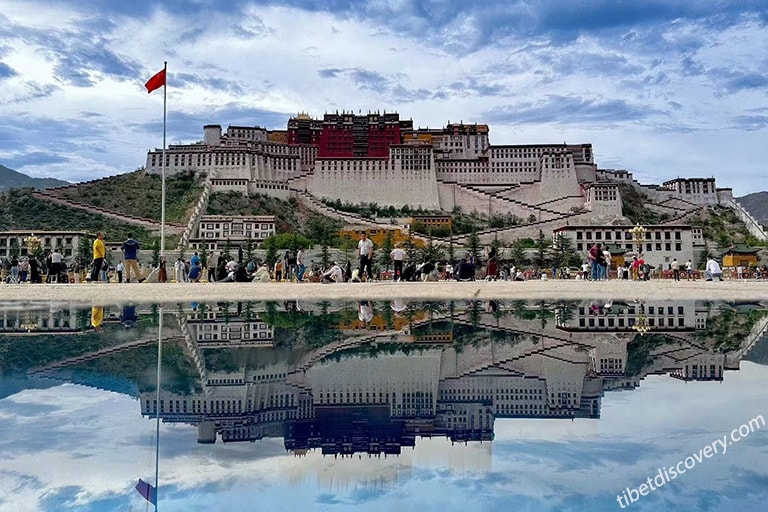
3 Days Lhasa Highlights Brief Tour
Join us for a brief but transformative escape to the soul of Tibet with this immersive 3-day Lhasa highlights tour. Designed for travelers seeking a concise yet profound experience, this itinerary unveils the spiritual heart of Tibet.
-
 Popular Package
Lhasa / Yamdrok Lake / Lhasa
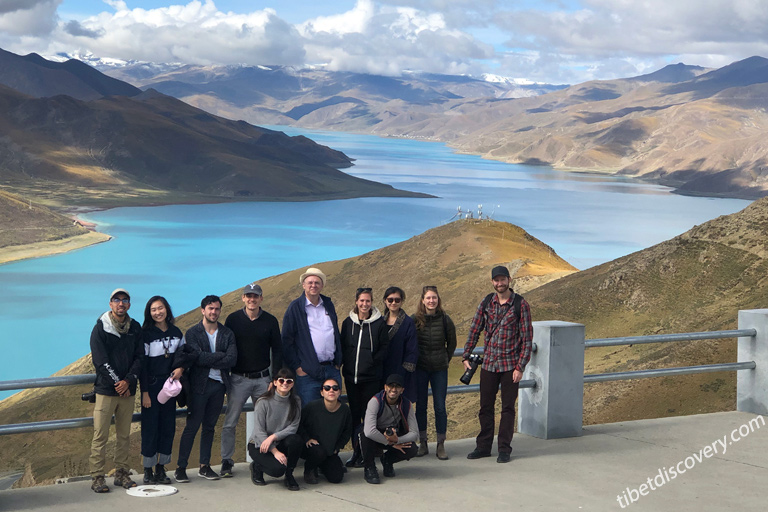
5 Days Lhasa Highlights & Holy Lake Yamdrok Private Tour
5-Day Lhasa & Holy Lake Yamdrok Tour: Explore landmarks in Lhasa, take a side trip to stunning Yamdrok Lake. Compared with Namtso Lake, Yamdrok Lake is easier to reach and lower in altitudes.
-
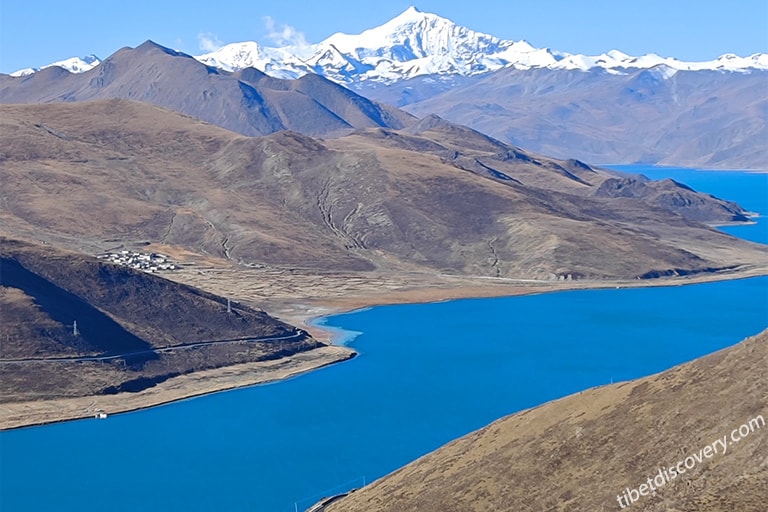
Nyingchi / Lhasa / Yamdrok Lake/ Lhasa
7 Days Splendid Nyingchi Lhasa Tour with Basum-tso Lake & Yamdrok Lake
7 Days Splendid Nyingchi Lhasa Tour with Basum-tso Lake & Yamdrok Lake
-
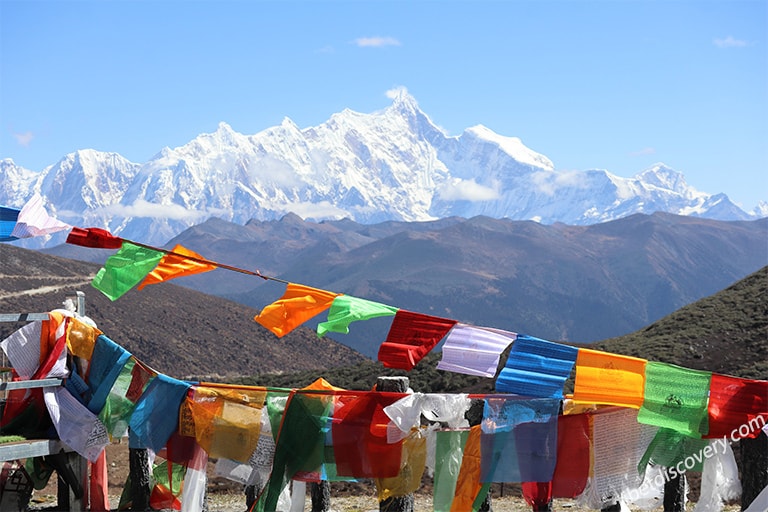
Nyingchi / Lhasa
6 Days Best Nyingchi Lhasa Highlights Tour
This 6-day tour takes you to discover Tibet's stunning contrasts. Begin in gentle Nyingchi, acclimatizing amid its "Swiss-like" lakes and forests. Then, explore spiritual Lhasa, from the majestic Potala Palace to sacred Jokhang Temple. This tour perfectly blends serene landscapes with profound cultural immersion.
-
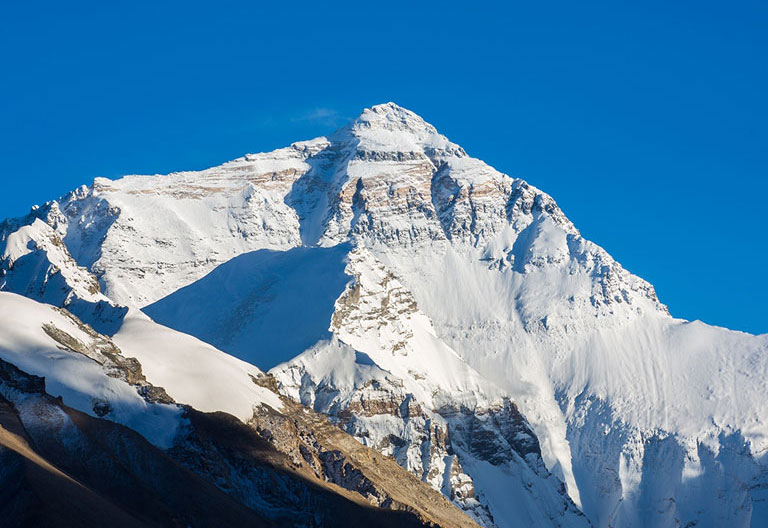
Nyingchi / Lhasa / Shigatse / Everest / Lhasa
10 Days Awe-inspiring Nyingchi Lhasa Everest Adventure Tour
This 10-day tour offers an unforgettable opportunity to appreciate Tibet's striking contrasts and natural diversity. It is thoughtfully designed to help you gradually acclimate to the increasing altitude, starting with the Switzerland-like scenery of Nyingchi. You will then travel to Lhasa, Continue westward, travel through Gyantse and Shigatse toward Mount Everest.
In-depth Winter Vacations - Enjoy Tibet with Other Recommended Winter Destinations in China
Dive deep into winter’s charm—explore, relax, and create memories across China’s most enchanting cold-weather escapes. Pair Tibet with other winter wonderlands in China: the snow-draped Forbidden City and Great Wall, Xi’an’s nightscape-enchanted streets, Zhangjiajie’s Avatar-inspired quartzite peaks, and Chengdu - the culinary capital and panda homeland, Harbin’s ice lantern festivals, Lijiang’s warm sunny ancient town, etc . From icy wonders to warm retreats, this curated blend offers a rich tapestry of seasonal magic.
-
Chengdu / Nyingchi / Lhasa
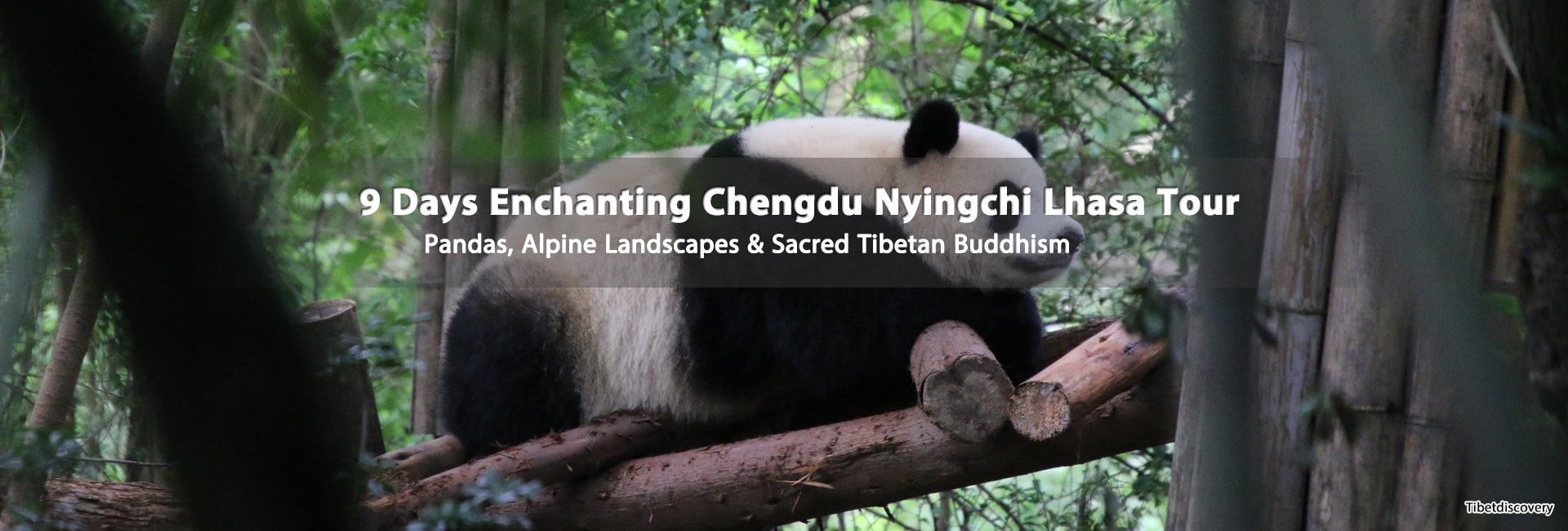
9 Days Enchanting Chengdu Nyingchi Lhasa Tour
This 9-day tour connects Chengdu, Nyingchi, and Lhasa with a gradual, comfortable altitude ascent. Begin in Chengdu with giant pandas and the Leshan Giant Buddha, then fly to Nyingchi for alpine scenery, forests, lakes, and seasonal peach blossoms. Travel overland to Lhasa, where sacred monasteries and iconic palaces reveal the spiritual heart of Tibet.
Highlights: Chengdu Panda Base, Leshan Giant Buddha, Basum-tso Lake, Lulang Forest, Potala Palace, Jokhang Tmeple
-
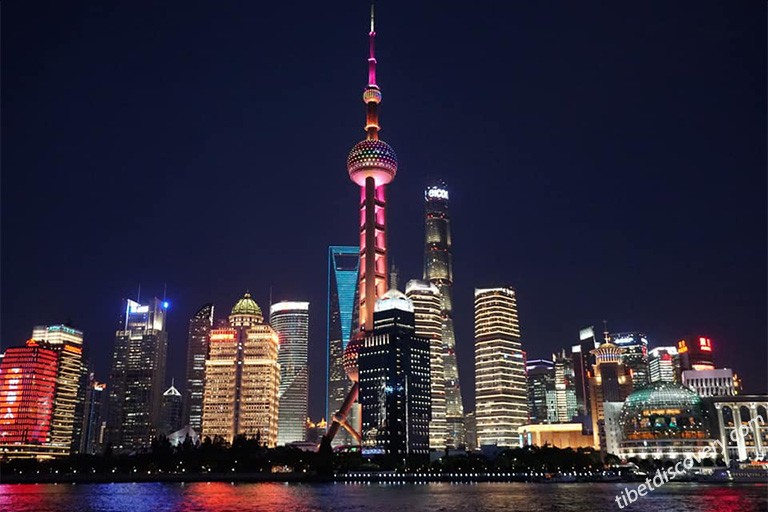
Beijing / Xian / Lhasa / Shanghai
12 Days Private China Golden Triangle Tour with Tibet Discovery
This tour is highly recommended for first-time visitors to China. It is all about bringing China's history and culture. You will touch the ancient heart of China in Beijing and Xian, discover the holy land of Lhasa, and finally witness China's achievement in Shanghai.
Highlights: Great Wall, Forbidden City, Terracotta Warriors, Ancient City Wall, Potala Palace, Jokhang Temple, the Bund
-
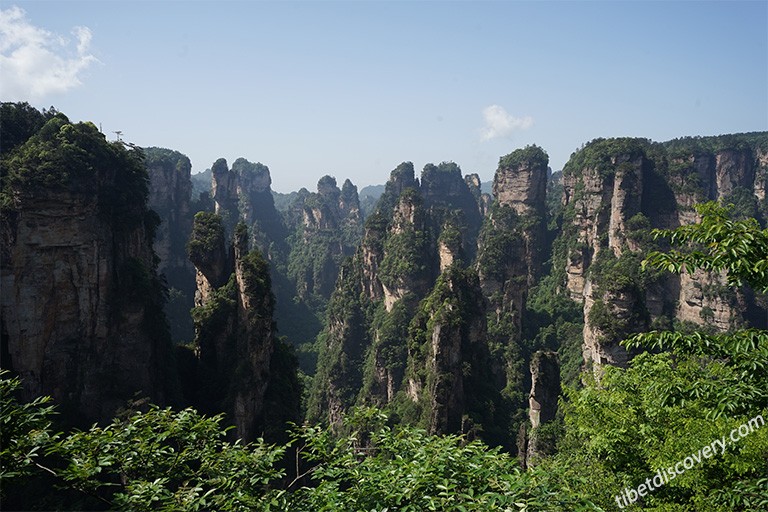
Beijing / Xian / Lhasa / Chengdu / Zhangjiajie / Shanghai
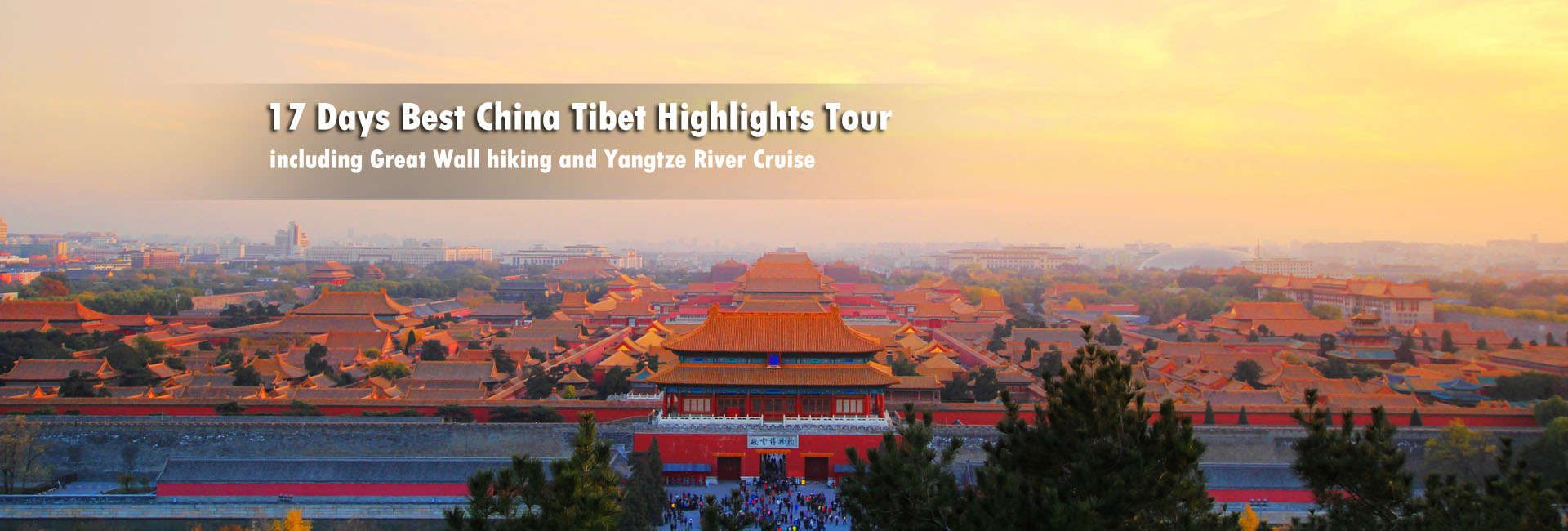
17 Days Private China Diverse Tour with Tibet & Zhangjiajie Avatar Exploration
You will journey through classic Golden Triangle cities of Beijing, Xi'an, and Shanghai, and venture beyond to experience the distinct Zhangjiajie, Chengdu, and Lhasa. It is a a true portrait of China's diversity.
Highlights: Great Wall, Tarracotta Warriors, Potala Palace, Zhangjiajie National Park, Chengdu Panda Base, Leshan Giant Buddha, the Bund
-
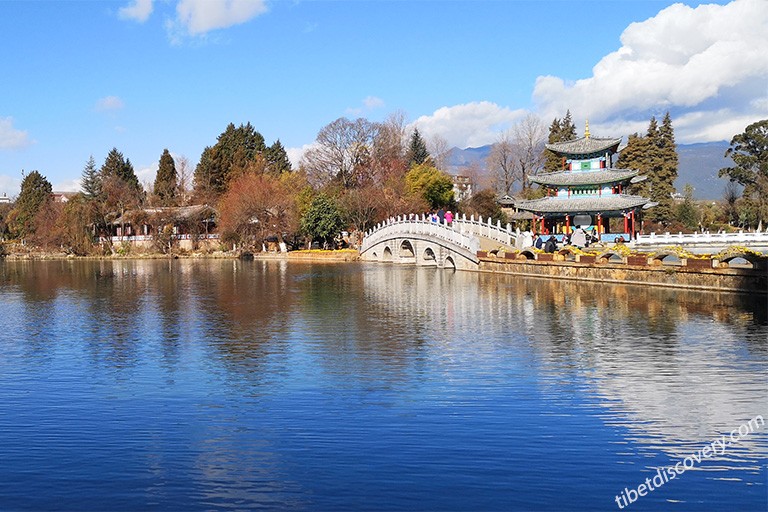
Kunming / Lijiang / Shangri-la / Lhasa / Namtso / Lhasa
10 Days Marvelous Private Yunnan Tibet Highlights Tour
Not the usual sights. The irreplaceable appeal of this journey lies in the breathtaking high‑plateau landscapes and the living heritage of the Naxi and Tibetan cultures. This route connects Kunming, Lijiang, and Shangri‑La in Yunnan with Lhasa and Namtso Lake in Tibet. Each destination offers something you will not find anywhere else.
Highlights: Potala Palace, Namtso Lake, Stone Forest, Lijiang Old Town, Tiger Leaping Gorge, Dukezong Old Town
-
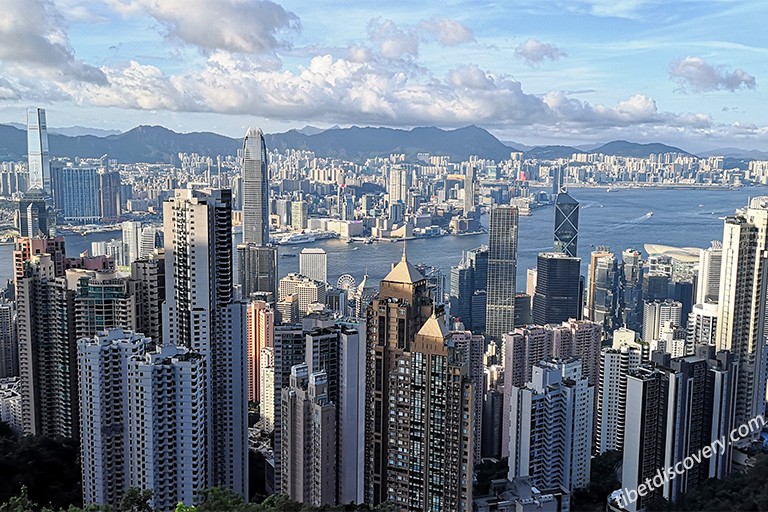
Hong Kong / Chengdu / Lhasa
8 Days Private Hong Kong Tibet Tour with Stopover in Chengdu
Three distinct cultures. One easy itinerary. Choose this 8-day journey, and you'll experience the cosmopolitan energy of Hong Kong, the slow life with pandas in Chengdu, and the spiritual depth of rooftop Tibet. This trip is thoughtfully paced not just for diversity, but for your comfort.
Highlights: Potala Palace, Jokhang Temple, Chengdu Panda Base, People's Park, Hong Kong Independent Tour
-

Chengdu / Lhasa / Gyantse / Shigatse / Mount Everest / Lhasa
10 Days Private Chengdu Tibet Mount Everest Immersive Overland Tour
Start in Chengdu, ascend to Tibet. Designed for travelers seeking both the easygoing charm and the profound depth, this 10-day journey seamlessly blends an essence exploration of Chengdu with an epic Tibetan overland adventure, driving from Lhasa through Yamdrok Lake, Gyantse, and Shigatse to Mount Everest, before completing the loop back to Lhasa.
Highlights: Panda Base, Potala Palace, Yamdrok Lake, Palcho Monastery, Mt.Everest
More China Tour Packages with Tibet
Essential Tibet Winter Travel Guide - Attractions, Weather, Transportation...
Welcome to our Tibet Winter Travel Guide, your all-in-one resource to easily explore Tibet’s winter wonders. Here, you can master useful advice on attractions, weather, navigation, and more. If you have any questions about Tibet, don't hesitate to contact us.
Top 15 Tibet Attractions to Visit This Winter
Unique winter landscapes include: the snow-and-ice-covered holy city, blue ice (Laigu Glacier), golden sunrise over snow-capped peaks (Namcha Barwa, Mount Everest), frozen sacred lakes (Namtso Lake), and more.
☆ Jokhang Temple – The spiritual heart of Tibetan Buddhism, where pilgrims prostrate and butter lamps glow warmly, even more serene in winter.
☆ Namtso Lake – One of Tibet’s three sacred lakes, famed for vast blue ice formations and crystal-clear winter waters, with yaks roaming under crisp plateau air.
☆ Yamdrok Lake – A turquoise mountain gem, its frozen shores and snow-capped peaks creating a fairy-tale winter scene perfect for sunrise photography.
☆ Mount Everest Base Camp – The closest accessible point to the world’s highest peak, offering golden Himalayan sunrise views in winter with fewer crowds.
☆ Barkhor Street – A historic kora (pilgrimage circuit) around Jokhang Temple, lined with prayer wheels, Tibetan handicrafts, and steaming sweet tea houses.
☆ Sera Monastery – Known for lively monk debates, where winter sun illuminates red walls and golden roofs to enhance the spiritual atmosphere.
☆ Nyingchi – The “Switzerland of Tibet,” featuring snow-capped mountains, clear lakes, and rare Tibetan antelope sightings in winter.
☆ Ganden Monastery – The birthplace of Gelugpa Buddhism, perched at 4,350m with red-clad monks, ancient murals, and sweeping Lhasa Valley views.
☆ Yambajan Hot Springs – Earth’s highest geothermal springs (4,700m), where mineral-rich waters steam against snow-capped mountains for a surreal “hot-cold” contrast.
☆ Nyingchi’s Nanjiabawa Sunrise – Witness the “golden crown” of Mount Nanjiabawa (7,782m) from Songkou Village, with 90% winter mornings offering cloud-free Himalayan views.
☆ Laigu Glacier Blue Ice – Tibet’s largest glacial cluster, revealing sapphire-blue ice walls and caves from December to February via guided treks.
☆ Yumbulagang – Tibet’s first palace (2,000+ years old), shaped like a mother deer, offering panoramic Yarlung Valley views and insights into Tibetan royal origins.
How to Get to Tibet
Regardless of your choice, Tibet’s winter landscapes—frozen lakes, snow-capped mountains, and clear skies—will leave you in awe.
Air Travelt
The primary airports for winter travel to Tibet are Lhasa Konggar International Airport (LXA) and Nyingchi Mainling International Airport (LZY). LXA, located in Gonggar County, Shannan City, is the largest aviation hub in Tibet, with direct flights from major Chinese cities such as Chengdu, Chongqing, Xi’an, and Guangzhou. Nyingchi Airport, situated in Nyingchi City, primarily serves flights from Chengdu and Chongqing, ideal for travelers heading to southeastern Tibet (e.g., Nyingchi’s snow-capped peaks and Yarlung Zangbo River valleys). Both airports operate normally in winter, with LXA offering more frequent flights and better connectivity.
Train Travelt
The Qinghai-Tibet Railway (QTR), known as the “Sky Road,” is a classic choice for winter travel, connecting Xining (Qinghai Province) to Lhasa. Running through vast grasslands, snow-capped mountains (including the Tanggula Mountains, where the highest railway station in the world—Tanggula Station—at 5,072 meters above sea level is located), and the vast Qiangtang Grassland, the QTR offers breathtaking winter landscapes: frozen lakes, snow-blanketed plateaus, and herds of Tibetan antelopes. Trains depart from Xining multiple times a day, with a journey time of approximately 40 hours. For travelers from other regions, taking a high-speed train to Xining (e.g., from Lanzhou, Xi’an, or Chengdu) and then transferring to the QTR is a cost-effective option.
Tibet Winter Weather and Packing Ideas
The winter on Tibet’s snow-covered plateau is not unsuitable for tourism; rather, it has become a golden season for niche travel thanks to its unique climatic endowments—though it must be clarified: this applies only to areas below 5,200 meters in altitude (such as Lhasa, Nyingchi, Shannan, Shigatse, etc.). High-altitude regions (like the northern slope of Mount Everest and the Qiangtang No-Man's Land) are prone to extreme weather such as blizzards and sharp temperature drops, requiring cautious visits.
The core advantages of winter in Tibet lie in "stable weather, abundant sunshine, and pure experiences": controlled by the plateau continental climate, precipitation is scarce (accounting for only 10% of the annual total), sunny days exceed 80%, and sunshine duration breaks 3,000 hours (40% of the annual total), with the sky as clear as washed. Although the day-night temperature difference is significant (15–20°C), daytime sunshine is gentle (8–15°C in Lhasa, 10–18°C in Nyingchi), and the perceived cold is far less severe than imagined. Especially Lhasa, known as the "City of Sunshine," has an average daily temperature of 5–12°C in winter—during the day, one doesn’t even need a heavy down jacket; comfortable travel is possible with just a sweater.
Tips for Wearing & Packing for a Winter Trip to Tibet
Adopt the “3-layer rule” to adjust easily:
• Base Layer (Wicking): Moisture-wicking fabrics (not cotton!) to keep sweat away from skin. Opt for thermal long-sleeve tops/bottoms (e.g., merino wool or synthetic blends).
• Mid Layer (Insulation): Lightweight warmth. Fleece jackets, down vests, or thin down jackets work best—easy to remove when sunny.
• Outer Layer (Windproof/Water-Resistant): A windproof, water-repellent shell (e.g., hardshell jacket or heavy-duty down coat) with a hood. Critical for blocking cold winds at high altitudes.
Accommodation in Winter
While some smaller guesthouses in remote areas close temporarily, most hotels in major cities and tourist hubs remain operational, offering travelers a chance to experience Tibet’s winter wonders at a fraction of the summer cost. Yes, you could enjoy discounts of 30-50% off for 4-star+ hotels/boutique lodges.
Major hotels in Lhasa, Nyingchi, Shigatse, and Shangri-La maintain operations year-round, ensuring travelers have safe and comfortable lodging, however the dining options and hotel stuff might be reduded but responsiveness remains reliable.
Tips for a Smooth Winter Stay
• Book Early. Winter is peak season for photography and cultural festivals (e.g., Tibetan New Year in February). Reserve hotels 1–2 months in advance.
• Layer Up. Even in heated rooms, temperatures dip below freezing at night. Pack thermal wear and insulated footwear.
Tibet Food and Drinks
Tibet's dining scene beautifully mirrors its cultural richness, offering a feast for every palate. Start your day like a local in a traditional sweet tea house, sipping sweet milk tea and savoring savory Tibetan noodles. For lunch, dive into Nepalese cuisine—try masala chicken with fluffy naan bread at a cozy spot overlooking bustling Barkhor Street. Tibetan specialties like juicy yak meat dumplings and butter tea provide authentic local flavors, while numerous Sichuan restaurants serve spicy classics for those craving heat. Western cafes even offer yak yogurt cake and highland coffee with Potala Palace views.
Prefer to tailor a trip that totally suits your requirements and interests? Our 20+ professional, helpful and friendly travel experts are ready to help! Tell us your needs, and one of our experts will get to you with trip details within 0.5~23.5 hrs. You can also call us at 86-28-85227275 / 86-28-85223672.

 Karen
Karen Wonder
 Jack
Jack Rita
Rita Johnson
 Vivien
 Wing
Wing Ariel
Ariel Leo
Leo Tracy
Tracy Evelyn
 April
April Phoebe
 Kelly
Kelly Shirley
 Reya
Reya Juliet
 Elk
Elk Samantha
 Felix
Felix Sean
Sean