


 Beijing + Tibet Tours
 Chengdu + Tibet Tours
 Shanghai + Tibet Tours
 Xining + Tibet Tours


Sera Monastery - Best Place to See Tibetan Monk Debate
Sera Monastery, one of the three main temples in Lhasa, along with Drepung Monastery and Ganden Monastery, is a representative of Gelug temples, situated in the northern of Lhasa city. Built in 1419 by one of Tsongkhapa's disciples, it is a complex of structures with the Great Assembly Hall, the dwellings on the eastern side, and three colleges on the western side. Set against a backdrop of mountains, it makes for a good photographic experience by climbing the halfway mountain behind. Noted for its debate session, Sera Monastery stored many precious relics, arts, and scriptures for monks to learn Buddhist knowledge. What's more, the daily Buddhism debating is a truly spiritual "class" to practice and test their mastery of Buddhism. As the top highlight of Sera Monastery, the debate is open to the public, allowing tourists to enjoy the charm of Buddhism and find some enlightenment, which can't be missed.
Sera Monastery Facts
- Rating:
-

#6 of 69 Things to Do in Lhasa
- Season:
- All year round
- Type:
- Religious Site, Architectural Buildings
- Altitude:
- 3,700 meters
- Location:
- Serawoze Mountain, Northern Suburbs of Lhasa
- History
- Highlights
- Transportation
- Tips
- Tour Plan
- Packages
History of Sera Monastery
Sakya Yeshe, who was one of eight disciples of Tsongkhapa, was the founder of the Sera Monastery. Before the construction, he was sent to Beijing to pay homage to the Yongle emperor of the Ming Dynasty, on behalf of Tsongkhapa. On the way back, he was bestowed with a large number of sutras, Buddhist statues, monks robes, silks, gold and silver, which were used to build Sera Monastery. Therefore, there are various relics dating back to the Ming dynasty.
Finished in 1434, Sera Monastery covers over 110,000 square meters with over 8,000 monks at its peak times. The dense buildings, including the Assembly Hall, colleges and palaces are spreading around. Up to now, there is one Tsochin Hall, three Buddhist colleges, and numerous small halls and chapels, and over 600 monks study here.
As for the origin of the name, there are two legends according to the local saying. One is that it was hailing when the monastery was constructed. Since hailstone pronounces "sera" in the Tibetan language, this temple was named "Sera Monastery". Another legend is that the monastery was surrounded by a grove of rose trees, and rose also pronounces "sera" in Tibetan language, so Sera Monastery was called, and means "the rose monastery" in Tibetan language.
 Sera Monastery
Sera Monastery Highlights
Sera Monastery is about 110,000 square meters, second to the largest Drepung Monastery. It's brimming with distinctive charm and cultural depth, and visitors can explore most highlights by following a clockwise direction, which aligns with the traditional rituals of Tibetan Buddhism and allows to discover the monastery's architecture and cultural relics in a more organized manner.
Admire the Buddhist Buildings
There are some important buildings housing statues of Buddhas, murals, scriptures and some other cultural relics.
Tsochen Hall, made up of a front square, Scripture Hall and five Buddhist chapels, is the main hall and also the administrative center in Sera Monastery. It looks like a forest with over 100 wooden columns standing. On some big days, the monks will gather here to chant the scriptures. In the eastern part of Tsochen Hall, you can find a gilded bronze statue of Maitreya Buddha with a peaceful expression. Among the three Buddhist chapels on the backside of Tsochen Hall, the middle one houses a huge statue of Maitreya Buddha with a height of 6 meters. There are many beautiful sculptures in this chapel. On the bookshelf close to the south wall is the Kangyur, which is the first Tibetan printed Buddhist sutra.
Sera Je College , covering an area of 1,702 square meters, is Sera's largest college with many stupas and statues of Buddha worshipped here. The inside chapel houses the statue of Hayagriva who is a respected protective deity in Tibetan Buddhism. Many local people come here to touch his foot because they believe that he can drive away all evil spirits and bring blessings. The chapel is rather small, so you need to walk through the crowd to take a look at this deity.
 Buddhist Buildings of Sera Monastery
 Specialized Monastic College of Sera Monastery
Watch Buddhism Debating
In the debating courtyard, 15:00-17:00 daily (except Sundays and some special festivals), Buddhism debating — Sera Monastery's most featured activity and also one of Tibet's most renowned cultural experiences — takes place. It is a spectacular way of discussing Buddhist knowledge and a way of study with each other. Before debating, the monks are divided into pairs in equal rank, with one standing (asking questions) and one sitting (answering questions). Also there are some small groups with one standing and others sitting to answer.
During the 2 hours, you can view a fierce argument along with some typical gestures: a clap with both palms means that the standing monk is going to ask a question, or urge the sitting monk to answer the question quickly; touching Buddha beads means that wish for an inspiration from the Buddha, and so on. All those expressions also have some deep meanings to imply the Buddhist philosophy, like discarding distracting thoughts and waking up your mercy and wisdom by the sharp bursts of clapping.
 Witness the Vivid Buddhism Debating
Celebrate Sera Bengqin Festival
The Sera Bengqin Festival, also known as the "Blessing of the Dagger of Exorcism", is a typical religious festival in Sera Monastery, held on December 27 of the Tibetan calendar (usually in January or February) for hundreds of years.
It has a legend that at the end of the 15th century, the Dagger of Exorcism was brought to Tibet from India and then enshrined in the Buddhist Guardian Hall of the Sera Monastery. In the past, on that day, the dagger would be taken to the Potala Palace for blessings, then sent back. After returning to Sera Monastery, a general blessing was given to monks and whole communities.
Nowadays, as the big festival before the New Year, it will last 24 hours, and on that day, there are thousands of pilgrims who take part in it from nearby regions and other provinces, like Qinghai, Sichuan, and Yunnan, to worship and pray for good luck in the next year. Besides, the believers who are given blessings by touching the head with the Dagger of Exorcism wrapped around golden silk, will go to offer Hada towards the giant Tangka presented in the main hall, which is quite grand and solemn.
 Buddhist Stone Painting in Sera Monastery
How to Get to Sera Monastery
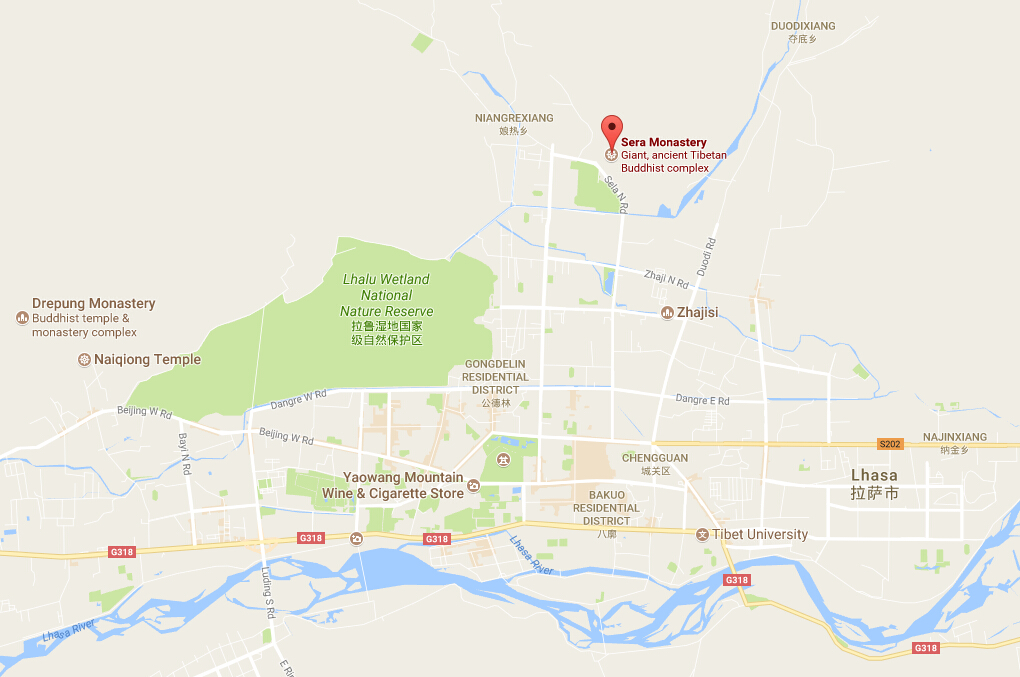
Located in the southern slope of the Serawoze Mountain, Sera Monastery is about 6 kilometers north of downtown Lhasa. The distance from the monastery to major attractions and transportation hubs is as follows.
● 4.8 km away Potala Palace
● 5 km away Jokhang Temple
● 5 km away Barkhor Street
● 4.4 km away Ramoche Temple
● 10 km away Drepung Monastery
● about 14 km away from Lhasa Railway Station
● about 65 km away from Lhasa Gonggar International Airport
Taxis, private cars, or buses are all available to get to the Sera Monastery gate. If you want to get rid of the hassle of public transportation and worry about language barriers with local drivers, travelling by private car is a good choice. It's highly suggested to travel with us Tibet Discovery. And please be kindly noted that independent travel is not available for foreigners in Tibet. Should you need support with your Tibet trip, feel free to reach out to us. In our Tibet tour packages, we take care of everything for you, including airport/train transfers, ticket, meals, accommodation, etc. Contact us now >>
Sera Monastery Location Map
Useful Travel Tips for Sera Monastery
1. Opening Time (for reference only): 9:00-16:00 year-round
2. Length of Travel: 2~3 hours. Visiting in the afternoon is highly suggested, since the featured Buddhism debating commences at 15:00.
3. Ticket (for reference only): CNY 50
4. There are some rules and prohibitions you should keep in mind, like don't use finger to point at Buddhas; do not take photos without permission; do not wear hat to visit inside; do not wear shorts, short skirts, or sleeveless tops; during Buddhism Debating, do not enter the designated rubble bedding debating area.
5. The road towards debating courtyard has steps and a short uphill walk is needed. Therefore, you're suggested to arrive there ahead of time and secure a good viewing spot amid the crowds.
6. If you love photography, there is a rock terrace halfway up the mountain behind Sera Monastery, which is said to be an ancient spiritual site dating back to King Songtsen Gampo's reign and legendarily where Princess Wencheng resided. Visitors can shoot the whole view of this monastery and the whole city. This may take about 1~1.5 hours' walk to ascend. Along the way, watch out the winding narrow road and be careful.
 Monks of Sera Monastery
How to Plan A Tibet Tour
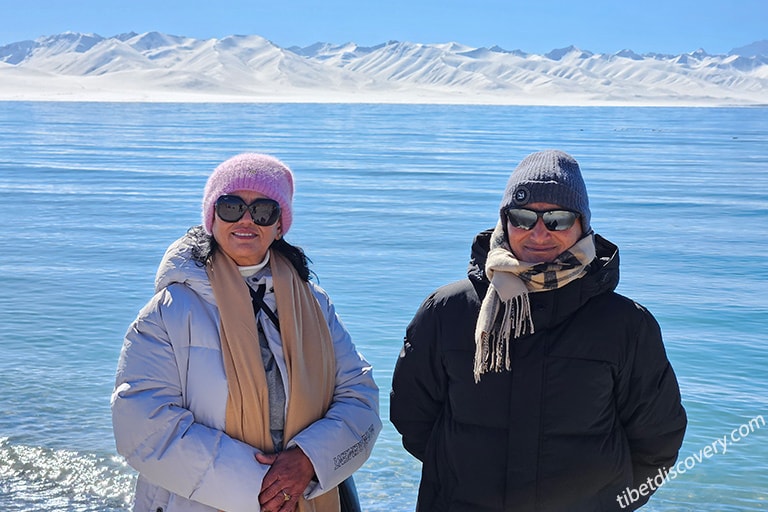
Tibet is too vast to be visited in one single trip, but planning ahead of time can make most of your holiday. A classic Tibet tour always takes about 4 ~ 8 days. Apart from 2 days for arrival and departure, it usually needs 2 other days to explore majestic Potala Palace and other landmarks in Lhasa, the capital of Tibet. With a day trip’s distance from Lhasa, Namtso Lake is another perfect tour extension if you visit Tibet from May to October.
☛ 4 Days Holy City Lhasa Private Tour - Heart of Tibet
☛ 5 Days Lhasa City and Holy Lake Namtso Tour
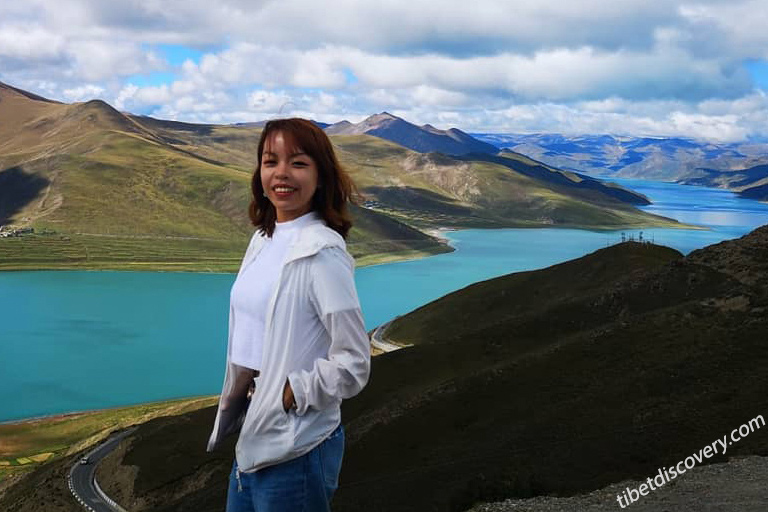
To explore further, it’s strongly recommended to travel from Lhasa to Mount Everest via Gyantse and Shigatse, which usually needs 4 more days. It is an unforgettable sightseeing trip with lots of attractions to visit, such as Yamdrok Lake, Karola Glacier, Kumbum Stupa of Palcho Monastery, Tashilhunpo Monastery, etc. Of course, the biggest draw must be gazing upon the unparalleled north face of the world’s highest peak – Mount Everest.
☛ 6 Days Lhasa Gyantse Shigatse Historical Tour
☛ 8 Days Everest Base Camp Tour - Top of the World
☛ 9 Days Tibet Discovery Tour plus Everest and Namtso Expedition
For Buddhist followers and hiking lovers, you are suggested to travel to Ngari to join the kora around the holy Mt. Kailash and sacred Lake Manasarovar, which usually takes about 5 ~ 8 more days from Lhasa. The wild nature of Ngari is spectacular as well.
☛ 13 Days Mt. Kailash & Lake Manasarovar Trekking Tour
☛ 16 Days Mt.Kailash Pilgrimage Private Tour
Most travelers combine a Tibet trip with visits to other top destinations, often extending their journey from nearby hubs like Chengdu, Xian, Yunnan, or Xining, or pairing it with iconic cities and landscapes such as Beijing, Shanghai, Zhangjiajie, Guilin, etc. If you have your own needs or interest, just feel free to contact us to customize a trip of your own!
 Lhasa, Namtso, Mount Everest and Ngari are four most popular destinations in Tibet
Lhasa Top Attractions
- Potala Palace
- Namtso Lake
- Jokhang Temple
- Barkhor Street
- Drepung Monastery
- Norbulingka
- Ganden Monastery
- Nyemo Tunba
- Reting Monastery
- Zongjiao Lukang Park
- Tibet Museum
Lhasa Travel
Recommended Tour Packages
Escorted by a skilled private driver and accompanied by a professional local tour guide to organize all the activities, all you have to do is to enjoy your fantastic Tibet journey. Time can never be wasted waiting for a group, hopping on and off buses, or negotiating unfamiliar destinations.
-

Lhasa / Yamdrok Lake / Gyantse / Shigatse / Mount Everest / Lhasa
8 Days Lhasa to Mount Everest Private Tour with Base Camp Experience
Highlights: Potala Palace, Jokhang Temple, Yamdrok Lake, Palcho Monastery, Everest Base Camp, Sakya Monastery, Tashilhunpo Monastery
-
Lhasa
4 Days Holy Lhasa City Highlights Private Tour with Cultural Heritage Treasure
Highlights: Potala Palace, Jokhang Temple, Barkhor Street, Norbulingka, Sera Monastery Monk Debate
-

Lhasa / Yamdrok Lake / Gyantse / Shigatse / Lhasa
6 Days Lhasa Gyantse Shigatse Historical Discovery Private Tour
Highlights: Potala Palace, Jokhang Temple, Yamdrok Lake, Palcho Monastery, Tashilhunpo Monastery
Prefer to tailor a trip that totally suits your requirements and interests? Our 20+ professional, helpful and friendly travel experts are ready to help! Tell us your needs, and one of our experts will get to you with trip details within 0.5~23.5 hrs. You can also call us at 86-28-85227275 / 86-28-85223672.

 Karen
Karen Wonder
 Jack
Jack Rita
Rita Johnson
 Vivien
 Wing
Wing Ariel
Ariel Leo
Leo Tracy
Tracy Evelyn
 April
April Phoebe
 Kelly
Kelly Shirley
 Reya
Reya Juliet
 Elk
Elk Samantha
 Felix
Felix Sean
SeanOur specialists are always ready to help!
Have a question? Get answers from our travel experts soon!
- Your Question:
- Your Name:
- Your Email:
- Submit