


 Beijing + Tibet Tours
 Chengdu + Tibet Tours
 Shanghai + Tibet Tours
 Xining + Tibet Tours


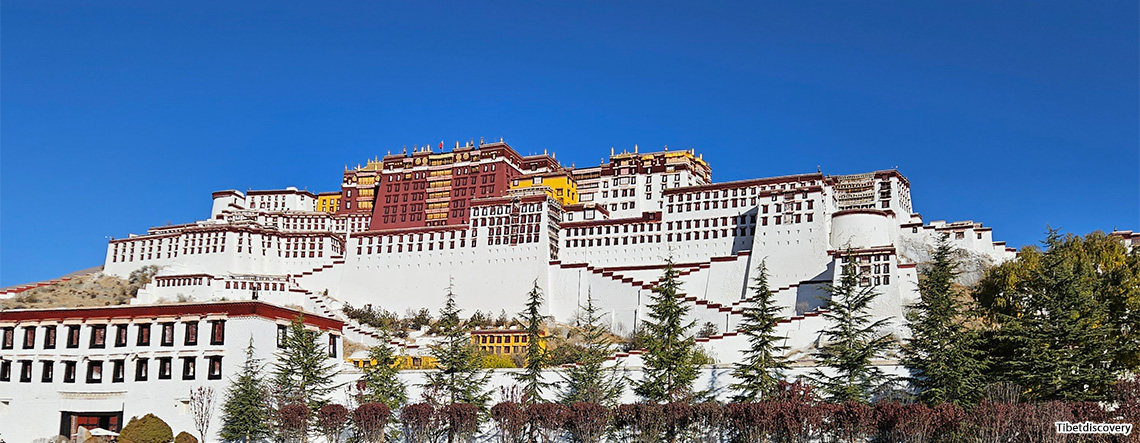
Perched majestically atop Red Hill in Lhasa, the Potala Palace is more than just an architectural marvel. It is the enduring symbol of Tibet and a UNESCO World Heritage site that draws pilgrims and travelers from across the globe. Yet, visiting the palace requires more than just a sense of adventure. When is the ideal time to visit for optimal weather? How can you best prepare for the high altitude? And where can you find the perfect spot to capture its iconic image? To help you plan a seamless and profound journey, we've compiled answers to these essential questions and more in the practical guide below.
Potala Palace Visiting Tips - Know the Ropes Before You Go 2026
Q1. Where is the Potala Palace?
The Potala Palace is situated on the Red Hill in the center of Lhasa City, Tibet Autonomous Region, China. Its specific address is No. 35, Beijing Middle Road, Chengguan District (拉萨市城关区北京中路35号). It is about 60km away from Lhasa Gonggar International Airport and 9km away from Lhasa Railway Station.
Check more about How to Get to & Around Lhasa
Q2. What is the altitude of the Potala Palace?
The Potala Palace stands at an altitude of around 3,700 meters, with its architecture rising an additional 115.703 meters vertically from the base of Red Hill to its golden roofs. This structure appears as 13 staggering tiers from the outside. It houses the seven-story White Palace. Above it stands the Red Palace, which, though appearing as six stories, is an intricate complex internally.
Check more about Potala Palace Altitude - What You May Not Know About the Climb 2026
Q3. How many steps up to the Potala Palace?
In total, you will climb roughly 1,000 steps to complete the visit. This includes the zigzagging stone stairway that you ascend before entering the Potala Palace itself, followed by a series of narrow wooden staircases inside the palace halls.
Q4. When is the best time to visit the Potala Palace?
The best time to visit the Potala Palace is from May to October, when the weather is mild and opening hours are generally longer.
For the best experience, morning visits offer softer light for photography, while afternoons are generally less crowded. Regardless of timing, adequate sun protection is crucial due to the intense high-altitude UV exposure throughout the day. Additionally, travelers should prepare for significant temperature fluctuations between day and night, making layered clothing essential for comfort throughout the day.
Check more about Lhasa Weather and Climate
Q5. What is the opening hours of the Potala Palace?
The palace will be closed every Monday, except on national statutory holidays. From Tuesday to Sunday, the operating hours will be as follows:
High Season (from May 1 to October 31): 09:00~15:40
Low Season (from November 1 to April 30): 09:30~15:20
While the palace itself is not open for evening visits, you can still enjoy a magnificent external view of its illuminated facade at night from the Potala Palace Square.
Q6. Does the Potala Palace require advance booking?
Yes, advance booking is required. The Potala Palace does not sell same-day tickets. You can book your tickets between 1 and 7 days before your visit. It is highly recommended to book as early as possible, as tickets for the next day are often sold out.
Q7. How do I book tickets for the Potala Palace?
Visiting the Potala Palace as a foreign traveler requires a Tibet Travel Permit and participation in an organized tour. It is recommended to arrange your visit through a licensed Tibet travel agency, which will handle your entry ticket to the palace. Feel free to contact us at Tibet Discovery for a worry-free experience. We offer customized itineraries and comprehensive travel services, including ticket reservations, accommodation, transportation, and more.
Q8. What are the main visiting areas in the Potala Palace?
The Potala Palace's visiting areas are primarily divided into the following three sections - the Snow City, the White Palace, and the Red Palace.
The journey typically begins at Snow City, the extensive base area which functioned as the palace's support complex. Here, visitors can explore historical sites like the former Mint and the Snow Prison, which illustrate the administrative, economic, and judicial systems that sustained the palace above.
Ascending from the base, the tour proceeds to the White Palace, which served as the administrative center and living quarters. Its highlights include the East Main Hall for grand ceremonies and the luxurious Sunlight Halls for daily spiritual practice and living spaces.
The Red Palace serves as the central hub for religious activities, primarily dedicated to enshrining deities and housing the stupa tombs.
Q9. How many tour routes are there in the Potala Palace? What are the differences?
The Potala Palace currently offers two main visiting routes - Route 1 (Classic Route) and Route 2 (Condensed Route).
Regarding the visiting experience, the two visiting routes cover different sets of attractions and therefore require different visiting time. Route 1 delivers a comprehensive tour covering the core sections of both the Red Palace and White Palace, with access extending up to the 12th floor. This route includes 16 main attractions featuring nearly all significant halls and chapels, plus 8 sites in the Snow City at the base. Suitable for visitors seeking a thorough understanding of the palace's history and architecture, this route typically takes 2.5-3.5 hours to complete.
In contrast, Route 2 offers a more concise experience, reaching only the 9th floor. This route focuses on the primary areas of the White Palace and lower-level halls of the Red Palace, covering 9 main attractions along with the same 8 Snow City sites. It is ideal for visitors with limited time or physical stamina, typically requiring about 2-3 hours.
As for pricing, the two routes also vary. During the peak season (from May 1 to October 31), the full-price ticket for Route 1 is RMB 200 per person, while Route 2 is RMB 100 per person. Please note that Route 2 is generally not available during the off-peak season (from November 1 to April 30), during which only Route 1 is offered at a full-price ticket of RMB 100 per person.
| Routes | High Season Ticket Fee | Low Season Ticket Fee | Visitable Floors | Attractions | Visiting Time |
|---|---|---|---|---|---|
| Route 1 | RMB 200 per person | RMB 100 per person | 12th floor | 16 main attractions+8 sites in the Snow City | 2.5~3.5hrs |
| Route 2 | RMB 100 per person | / | 9th floor | 9 main attractions+8 sites in the Snow City | 2~3hrs |
Q10. Can I take photos in the Potala Palace?
It depends on the area. Photography is permitted in the Snow City section at the foot of the palace. However, it is prohibited to take photos or videos inside the main palace buildings, namely the White Palace and the Red Palace.
Q11. Where are the best spots to take photos of the Potala Palace?
For capturing the perfect shot of the Potala Palace, there are three highly recommended locations around it.
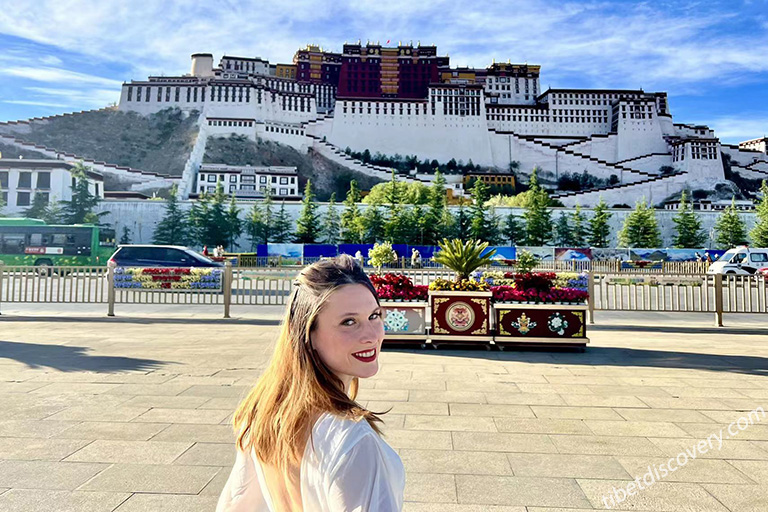
1. Potala Palace Square is the vast square directly in front of the Potala Palace. It provides the most straightforward and majestic frontal view.
2. Yaowang Mountain Viewing Platform is arguably the most famous photo spot. It's the exact location depicted on the back of the Chinese 50 Yuan (RMB) note.
3. Located behind the Potala Palace, Zongjiao Lukang Park is the best place to capture a beautiful reflection of the palace's rear side.
Check more about A Frame with a View - 11 Best Places to View & Photograph Potala Palace 2026
Q12. What to pack if I travel to the Potala Palace?
Packing for the Potala Palace requires thoughtful preparation to ensure a respectful and comfortable visit. Given the high altitude and strong sun, sun protection is essential. Pack high-SPF sunscreen, a wide-brimmed hat, and sunglasses. Dress in modest, layered clothing covering knees and shoulders. Wear comfortable walking shoes suitable for long stair climbs. Bring a small daypack with your passport, water, a power bank, and some cash.
Note: flammable or explosive items (e.g., lighters, matches, oxygen canisters), toxic substances, controlled knives, and sharp tools are prohibited.
Check more about What Should Tourists Pack for Tibet Tour - Tibet Travel Necessities
Q13. What is the dress code for visiting the Potala Palace?
The dress code for visiting the Potala Palace emphasizes modesty and respect for this sacred site. It is recommended to wear clothing that covers both shoulders and knees, and avoid short skirts or dresses. Wearing layers is a good idea to stay comfortable throughout the visit, as temperatures can vary significantly between day and night.
Q14. What are some attractions near the Potala Palace worth visiting?
The area around the Potala Palace is the heart of Lhasa, surrounded by many historical and culturally rich attractions. Among them, the Jokhang Temple and Barkhor Street stand out as essential destinations. The Jokhang Temple is the spiritual center of Tibetan Buddhism and located just 1.5 kilometers to the south of Potala Palace. Founded in the 7th century, it houses the most sacred statue of Buddha Shakyamuni in Tibet. Surrounding the Jokhang Temple is Barkhor Street, a bustling circular pilgrimage path that has also become a vibrant market. For an efficient and deeply rewarding experience, it is highly recommended to visit the Potala Palace, Jokhang Temple, and Barkhor Street on the same day.
Check more about Top 10 Lhasa Attractions 丨 How to Plan a Lhasa Trip
How to Plan a Lhasa Tour
How to Get to Lhasa : Nonstop flights to Lhasa Gonggar International Airportfrom Chengdu (about 3 hrs), Chongqing (about 3 hrs), Beijing (about 4.5 hrs), Xi'an (about 4.5 hrs), Xining (about 2.5 hrs), Kunming (about 3 hrs), Shangri-La (about 2.5 hrs), etc. and Qinghai-Tibet Railway to Lhasa Railway Station from Xining, Chengdu, Chongqing, Beijing, Shanghai...
Best Time to Visit Lhasa : all year round, with the summer (Jun.~Aug.) and autumn (Sept.~Nov.) seasons being the optimal time to visit.
Where to Stay in Lhasa : Central Lhasa's Chengguan District, with the Barkhor Street or Potala Palace areas being highly recommended.
Lhasa, the capital of Tibet, is known as the "Sunlight City" and serves as the spiritual heart of Tibetan Buddhism. We recommend spending 3~4 days exploring the city.
☛ How to Plan a Lhasa Trip & Visiting Lhasa Advices
The 4-day classic Lhasa journey is designed for first-time visitors to Lhasa. Its carefully paced itinerary allows for gradual acclimatization while covering Lhasa's highlights, gently guiding you from heritage sites to living traditions. Spend your first day gently adapting to Lhasa's high altitude (3650 m). On your second day, begin at the Tibet Museum, where you'll gain a thoughtful introduction to the region's history, art, and heritage. From there, step into the tranquil Norbulingka, the former Summer Palace celebrated as a masterpiece of Tibetan garden design. By afternoon, experience the lively Buddhist debates at Sera Monastery, offering a glimpse into Tibetan Buddhist scholarship.
On the third day, ascend to the UNESCO-listed Potala Palace, standing at 3,700 meters and housing sacred halls and historic artifacts. Continue to the spiritual heart of the city, Jokhang Temple, where pilgrims gather in devotion before the revered Jowo Shakyamuni statue. Finally, step into the vibrant Barkhor Street circuit, circling the temple amidst a lively blend of prayer, traditional markets, and local craftsmanship. The final day is reserved for departure.
☛ 4 Days Holy City Lhasa Private Tour - Heart of Tibet
For a touch of nature beyond the city, consider a day trip to one of Tibet’s Three Sacred Lakes: Namtso Lake or Yamdrok Lake. Namtso Lake ranks among the world's highest saltwater lakes, with prayer flags and mani stones along its shores completing a landscape of profound serenity. Yamdrok Lake is famed for its ribbon-like turquoise waters winding through the mountains. Its ever-shifting shades of blue and green create a view often described as "heaven on earth".
☛ 5 Days Lhasa City and Holy Lake Namtso Tour
☛ 5 Days Best of Lhasa & Beautiful Yamdrok Lake Tour
With 6~9 days to explore, extend your journey from Lhasa to more of Tibet's iconic destinations, such as the world's highest peak Everest, the lush and scenic Nyingchi known as "Tibetan Switzerland", and Shigatse, the Tibet's second-largest city and home to the historic Tashilhunpo Monastery.
☛ 6 Days Lhasa Gyantse Shigatse Historical Tour
☛ 7 Days Classic Lhasa Nyingchi Landscape Discovery Tour
☛ 8 Days Everest Base Camp Tour - Top of the World
☛ 9 Days Tibet Discovery Tour plus Everest and Namtso Expedition
At Tibet Discovery, we can seamlessly connect your Lhasa experience with a comprehensive Tibet tour, handling all itineraries, permits, and transportation so you can focus on the once-in-a-lifetime adventure. Contact us to customize your journey now!
 Must-Visit Attractions in Lhasa
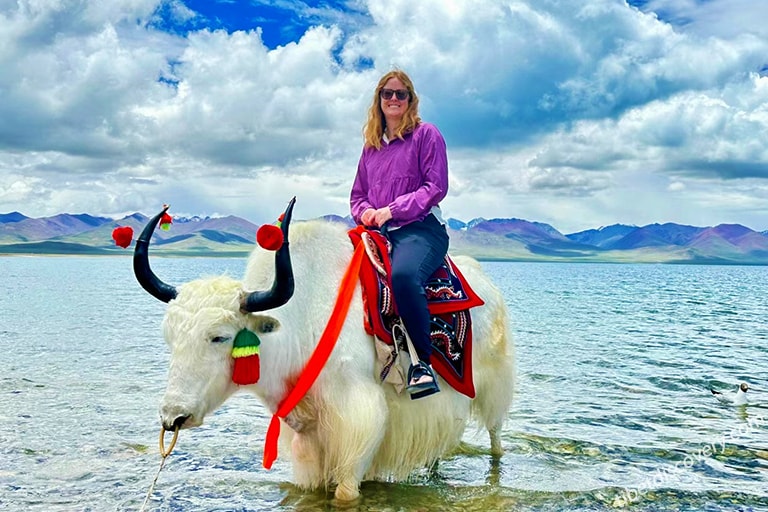 Our Guest visited Namtso Lake in Summer Time
Discover Tibet with a Journey Tailored to You
International travelers are required to join an organized tour with a licensed travel agency to visit Tibet, which means independent travel isn’t permitted. But rather than viewing this as a limitation, we at Tibet Discovery see it as an opportunity to craft something extraordinary for you. Our decades of experience operating in Tibet allow us to transform what could be a simple route into a carefully curated journey. Just contact us to plan your adventure!
When you travel with us, you’ll benefit from:
◾ An expert local guide who brings Tibet’s history, culture, and hidden stories to life.
◾ A comfortable private vehicle suited to Tibet’s unique road conditions.
◾ An experienced driver who knows every curve of the route and can spot wildlife or photo opportunities you might otherwise miss
◾ Flexible pacing that lets you linger at viewpoints or explore unexpected discoveries along the way
Travel with Tibet Discovery
Lhasa Top Attractions
- Namtso Lake
- Jokhang Temple
- Barkhor Street
- Sera Monastery
- Drepung Monastery
- Norbulingka
- Ganden Monastery
- Nyemo Tunba
- Reting Monastery
- Zongjiao Lukang Park
- Tibet Museum
Lhasa Travel
Recommended Tour Packages
Escorted by a skilled private driver and accompanied by a professional local tour guide to organize all the activities, all you have to do is to enjoy your fantastic Tibet journey. Time can never be wasted waiting for a group, hopping on and off buses, or negotiating unfamiliar destinations.
-

Lhasa / Yamdrok Lake / Gyantse / Shigatse / Mount Everest / Lhasa
8 Days Lhasa to Mount Everest Private Tour with Base Camp Experience
Highlights: Potala Palace, Jokhang Temple, Yamdrok Lake, Palcho Monastery, Everest Base Camp, Sakya Monastery, Tashilhunpo Monastery
-
Lhasa
4 Days Holy Lhasa City Highlights Private Tour with Cultural Heritage Treasure
Highlights: Potala Palace, Jokhang Temple, Barkhor Street, Norbulingka, Sera Monastery Monk Debate
-

Lhasa / Yamdrok Lake / Gyantse / Shigatse / Lhasa
6 Days Lhasa Gyantse Shigatse Historical Discovery Tour
Highlights: Potala Palace, Jokhang Temple, Yamdrok Lake, Palcho Monastery, Tashilhunpo Monastery
Prefer to tailor a trip that totally suits your requirements and interests? Our 20+ professional, helpful and friendly travel experts are ready to help! Tell us your needs, and one of our experts will get to you with trip details within 0.5~23.5 hrs. You can also call us at 86-28-85227275 / 86-28-85223672.

 Karen
Karen Wonder
 Jack
Jack Rita
Rita Johnson
 Vivien
 Wing
Wing Ariel
Ariel Leo
Leo Tracy
Tracy Evelyn
 April
April Phoebe
 Kelly
Kelly Shirley
 Reya
Reya Juliet
 Elk
Elk Samantha
 Felix
Felix Sean
Sean