


 Beijing + Tibet Tours
 Chengdu + Tibet Tours
 Shanghai + Tibet Tours
 Xining + Tibet Tours


Laigu Glacier Group: Tibet's Hidden Paradise of Blue Ice and Frozen Lake
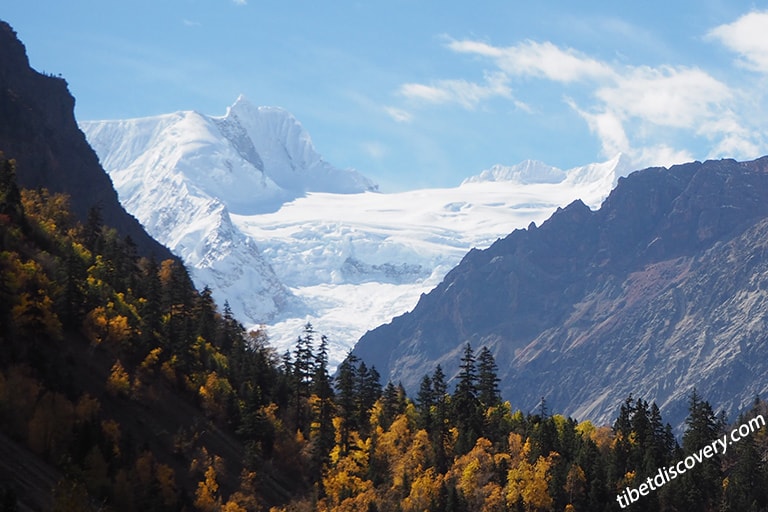
Nestled in Ranwu Town, Basu County at an elevation of around 4,200 meters, the Laigu Glacier Group represents one of Tibet’s most magnificent and pristine glacier systems. This remarkable cluster consists of six major glaciers—Meixi, Yalong, Ruojiao, Dongga, Xiongjia, and Niuma—that cascade dramatically from surrounding peaks into a wild valley landscape. The sheer concentration of massive glaciers in one area creates a landscape unlike anywhere else in eastern Tibet.
What makes Laigu truly spectacular is its untamed, primordial character. Between December and April, the glaciers reveal their most magical feature: ethereal deep-blue ice caves that glow with an otherworldly light, drawing photographers and adventurers from around the world. Standing before these frozen giants, you witness geological forces at work on a timescale far beyond human comprehension, a humbling reminder of nature’s grandeur in one of the planet’s most remote and beautiful corners.
Laigu Glacier Group Facts
- Rating:
-

#6 of 10 Things to Do in Nyingchi
- Season:
- Deep Winter to Spring (December - April)
- Type:
- Ancient Glaciers, Natural Site
- Altitude:
- 4,200 meters
- Location:
- Ranwu Town, Basu County, Chamdo
- Highlights
- Transportation
- Weather
- Tips
- Tour Plan
- Packages
What to Explore at Laigu Glacier Group Scenic Area
Laigu Glacier Group is a collection of six separate glaciers surrounding the remote Laigu village in Ranwu Town, Basu County. At elevations between around 4,000 and 4,600 meters, this glacier group represents one of the world’s three major maritime glacier systems and is Tibet’s largest known ice formation by area. The name “Laigu” means “hidden paradise village” in Tibetan, an apt description for this spectacular yet relatively under-discovered destination.
Due to limited development of other glaciers in the region and accessibility challenges, the main highlight of visiting Laigu Glacier Group is experiencing Yalong Glacier, the most magnificent of the six.
Laigu Glacier Viewing Platform
From the ticket checkpoint, visitors can either hike or ride horses to reach the main viewing area. The walk takes approximately 30-40 minutes across relatively flat but rocky terrain at around 4,000 meters elevation. Horseback riding is suitable for those who prefer not to walk or have concerns about the altitude. The viewing platform offers panoramic views of Yalong Glacier, the star attraction among the six glaciers. From here, you can see the massive ice formation stretching 12 kilometers from the peak of Gangrigabu Mountain. The distinctive feature of Yalong Glacier is its black-and-white “medial moraine” striping—sediment lines running through the ice that create dramatic visual patterns rarely seen in other glaciers.
Ice Lake and Ice Walls
In front of the Yalong Glacier lies a glacial lake filled with icebergs of various sizes broken off from the glacier terminus. What makes this scene particularly striking are the ice walls exposing shades of blue. The lake’s color changes depending on the season and sediment content, sometimes appearing turquoise, other times milky gray. During deep winter (January-February), the lake freezes solid enough to walk on, allowing visitors to approach the glacier face directly, though this requires proper footwear with traction and extreme caution. At other times of year, attempting to walk on the ice is dangerous and not permitted.
Blue Ice Caves
Laigu’s blue ice caves are one of Tibet’s most stunning natural phenomena. Walking inside feels like entering a frozen cathedral, with ice formations creating natural sculptures overhead. The best season for blue ice cave exploration is December through April when the ice is most stable and the blue color most intense. Note that the glaciers has been experiencing significant retreat in recent years, and blue ice cave access may be restricted or completely closed for ecological protection purposesr. Cave availability depends on weather, safety assessments, and current conservation regulations.
 Yalong Glacier Ice Lake in October
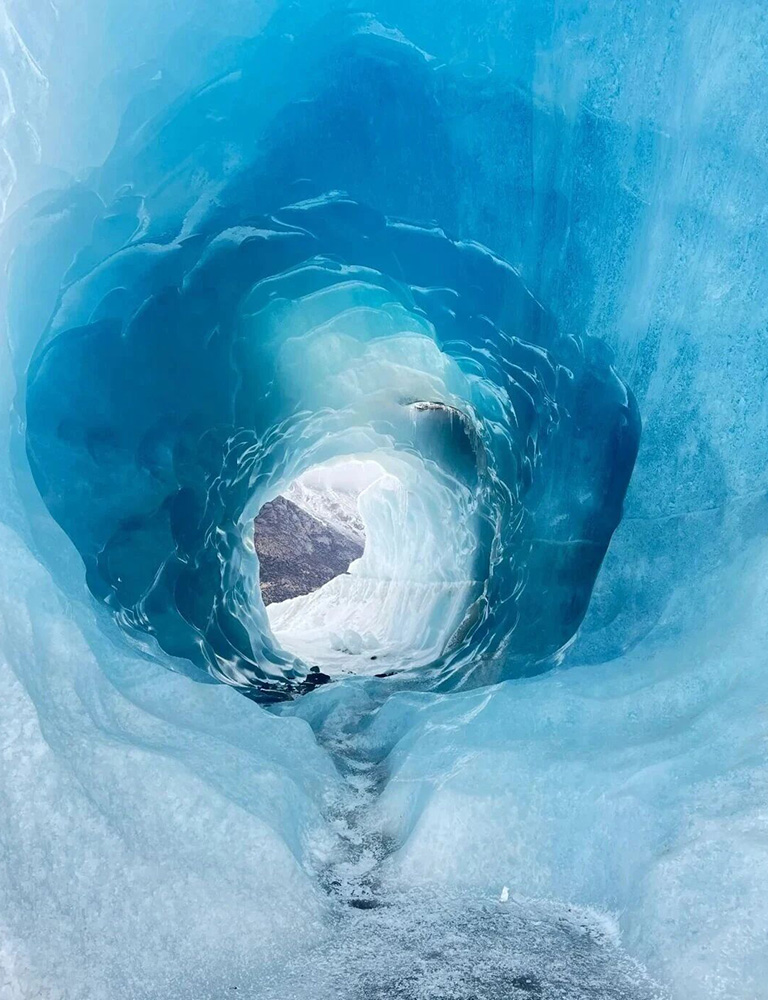 Blue Ice Cave (© Chamdo Culture and Tourism Bureau)
How to Get to Laigu Glacier Group Scenic Area
Laigu Glacier is located in Ranwu Town, Basu County, Chamdo, approximately 30 kilometers from Ranwu Town and 160 kilometers from Bomi County, Nyingchi. The glacier area sits at elevations between 4,000 and 4,600 meters.
Nyingchi as Typical Gateway:
Most tourists choose to visit Nyingchi first and then head to Laigu Glacier Group. There are multiple non-stop flights operating daily between China's major cities and Nyingchi. From Lhasa, you can also take a scenic 5-6 hour drive along the Lhasa-Nyingchi Expressway. Laigu Glacier Group is about 400 kilometers from downtown Nyingchi, which takes around 8 hours by car. Midui Glacier in Bomi County is about 65 kilometers from Laigu, a 1.5-hour drive away.
☛ How to Get to & Around Nyingchi
☛ How to Get from Lhasa to Nyingchi
Transportation:
Private car is essential. From Ranwu Town, the drive takes about 40-50 minutes along the G318 National Highway. The road conditions have improved in recent years but four-wheel drive vehicles handle the route more comfortably. Most visitors coming from Nyingchi stop in Bomi or Ranwu overnight before visiting the glacier the next day.
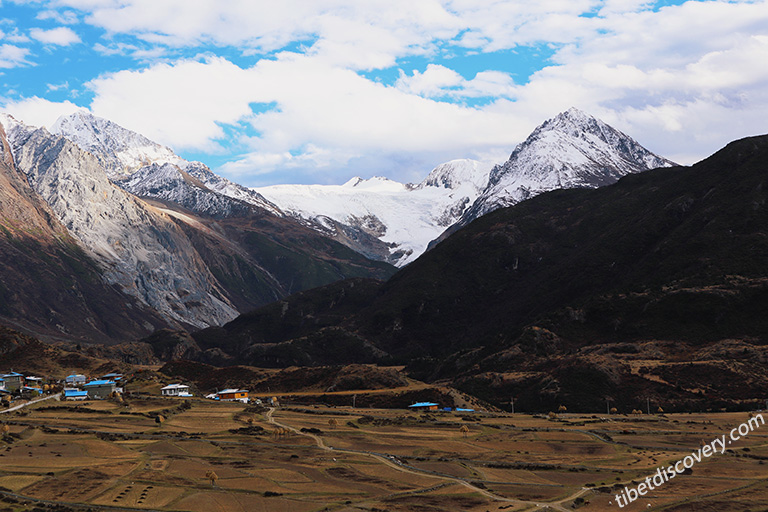 River Valley Near Laigu Village
Weather & Best Time to Go to Laigu Glacier Group
Laigu Glacier’s maritime climate creates distinct seasonal experiences, with winter offering the most dramatic ice features.
Deep Winter through Spring (Mid-December to April) is peak season for glacier viewing. The glacial lake freezes solid, allowing safe approach to the ice walls (with proper equipment). This is the only possible time of year you can walk on the lake surface. More importantly, this is when blue ice caves are most accessible and display their deepest, most intense blue coloring. Temperatures drop to -10°C to -20°C, so serious cold-weather gear is essential.
Autumn (September-October) offer moderate temperatures and clear skies, though the lake may not be fully frozen. Summer (June-August) offers lush green meadows and comfortable temperatures for hiking.
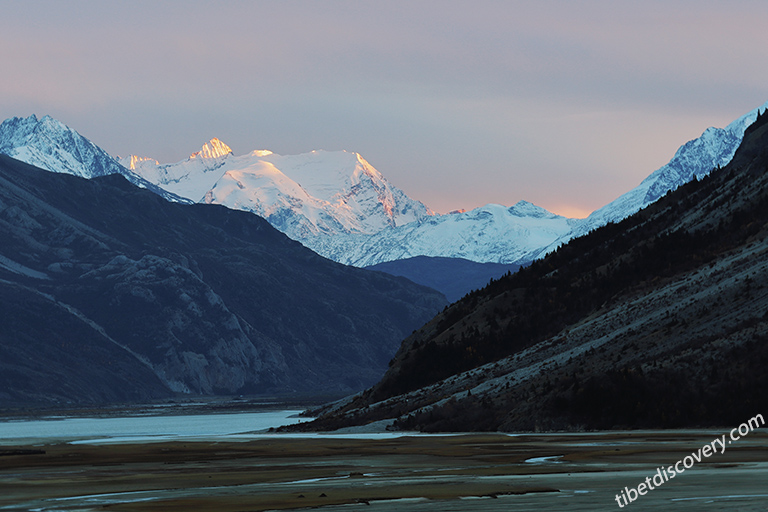 Sunset in Laigu Glacier Group Scenic Area
What to Wear
Dress in multiple heavy layers, especially in winter. Even in summer, temperatures near the glacier remain cool due to the ice’s cooling effect and high elevation. Bring a heavy down jacket, thermal base layers, waterproof outer shell, warm hat, and insulated gloves. If visiting in winter when the lake freezes, consider bringing or renting ice cleats for walking on frozen surfaces. Glacier reflection creates intense UV exposure, so bring SPF 50+ sunscreen, glacier glasses or high-quality sunglasses that block side light, and face protection. The combination of altitude and sun reflection can cause severe burns quickly.
Useful Tips for Visiting Laigu Glacier Group
● Admission Fees: Entrance fee is 150 RMB per person. If you're staying in Laigu village for night, the entrance fee is around 85 RMB. The area remains relatively undeveloped compared to major tourist sites, expect basic facilities only. Bring your own food and water as options are limited.
● Opening Time: 09:00-17:00 all year round.
● Altitude and Safety: The main viewing area sits at approximately 4,000-4,200 meters elevation. Most visitors feel altitude effects. Take it extremely slow, rest frequently, and don’t push yourself. Only attempt to walk on the frozen lake in deep winter and only if local staffs confirm the ice is safe.
● Accommodation: Most visitors stay in Ranwu Town, which offers various guesthouses and small hotels. For a more immersive experience, you can stay in Laigu Village itself. Local families offer very basic homestays with minimal facilities but genuine hospitality.
How to Plan a Nyingchi—Laigu Tour
To fully explore the natural wonders of Nyingchi and Laigu Glacier Group, plan for at least three full days, with an extra day for acclimatization if you’re arriving directly from lower elevations. Whether your itinerary starts from Nyingchi or you’re traveling from Lhasa to Nyingchi, the following route represents the most recommended way to experience this stunning region’s highlights.
☛ Top Recommended Nyingchi Tours
☛ How to Plan & Visiting Nyingchi Advice
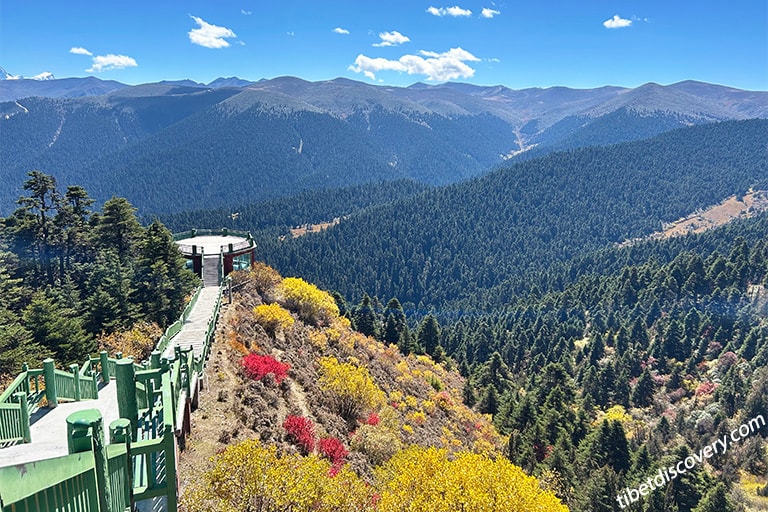
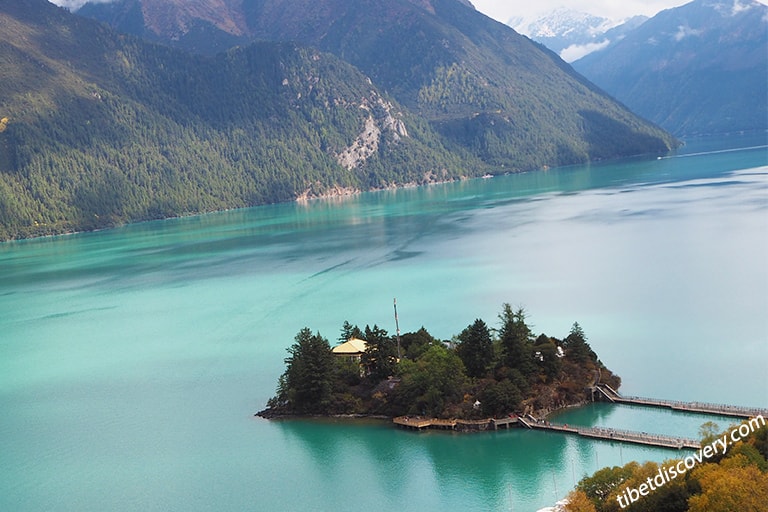
On your first day, discover the mystical Kading Valley, where a spectacular waterfall cascades 200 meters through a narrow gorge. Then journey to Basum-tso Lake, a sacred turquoise jewel nestled at 3,480 meters. Walk across the footbridge to the island in the lake’s center, home to the centuries-old Tsozong Monastery, and take a boat on the lake to take in views of snow-capped peaks reflected in crystal-clear waters surrounded by forests.
☛ 8 Days Nyingchi Peach Blossom Festival Tour
☛ 7 Days Classic Lhasa Nyingchi Discovery Tour
For your second day, venture to Sejila Pass (4,728 meters), where on clear days you’ll witness one of Tibet’s most magnificent sights: Mount Namjagbarwa (7,782 meters) rising dramatically above the clouds. This notoriously shy peak reveals itself only to the fortunate, making clear views truly special. Continue to the Lulang area, often called the “Swiss Alps of Tibet,” where you’ll explore the enchanting Lulang Forest with its dense primeval woodlands and carpets of wildflowers. Visit the picturesque Lulang Town for a taste of local life, then head to the alpine meadows of Zhaxi Gang Village, where Tibetan wooden houses dot the landscape and yaks graze peacefully against a stunning mountain backdrop. Overnight in Bomi County.
☛ 8 Days Tibet Dream Tour from Nyingchi to Lhasa
☛ 7 Days Tibet "Switzerland Views" Tour (Lhasa - Nyingchi)
Begin your third day at Midui Glacier in Bomi County, one of Tibet’s most accessible glaciers, where massive ice formations descend into lush forest valleys creating a dramatic landscape. Continue to the stunning Ranwu Lake, whose emerald-blue waters shift color throughout the day as sunlight dances across the surface in spring time. Finally, end your day at Laigu Glacier Group Scenic Area, where you can witness the raw power of these ancient rivers of ice. Between December and April, explore the ethereal deep-blue ice caves that form within the glacier.
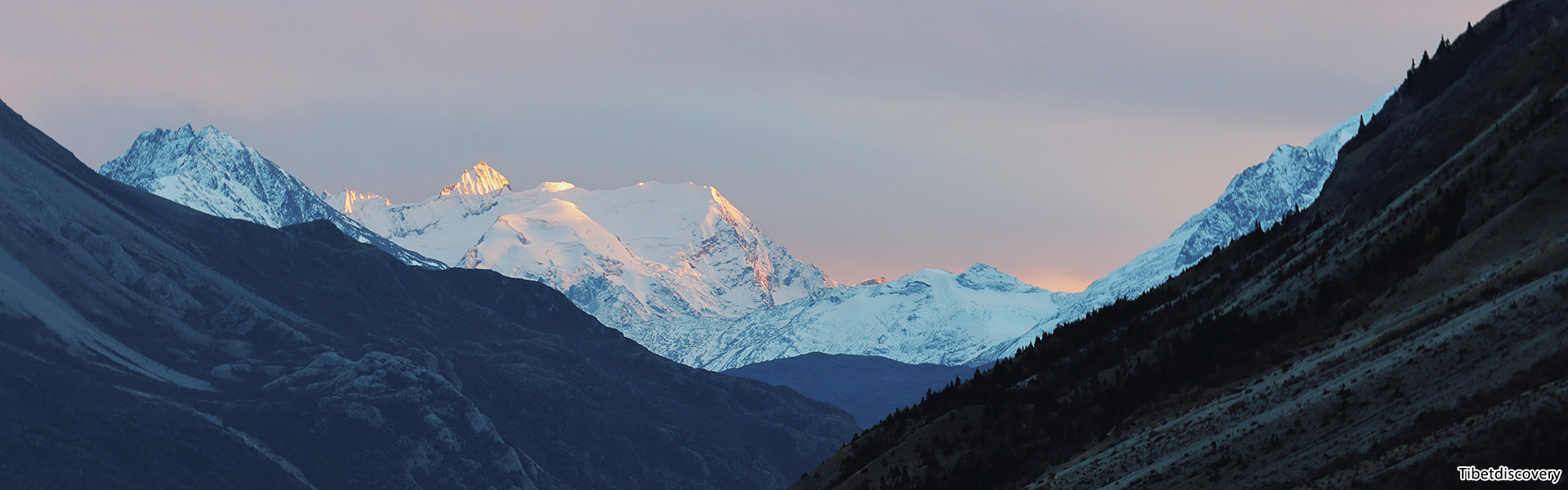
If your schedule allows, consider staying an additional night in Ranwu Town to catch the magical sunrise or sunset over the lake. The “sunlit golden mountain” phenomenon at dawn or dusk transforms the surrounding peaks into glowing monuments of gold and orange—one of Tibet’s most photographed moments.
At Tibet Discovery, we can seamlessly connect your Nyingchi—Laigu experience with a comprehensive Tibet tour, handling all itineraries, permits, and transportation so you can focus on the once-in-a-lifetime adventure. Contact us to customize your journey now!
☛ 8 Days Lhasa to Mount Everest Private Tour
☛ 14 Days Tibet Photography Tour
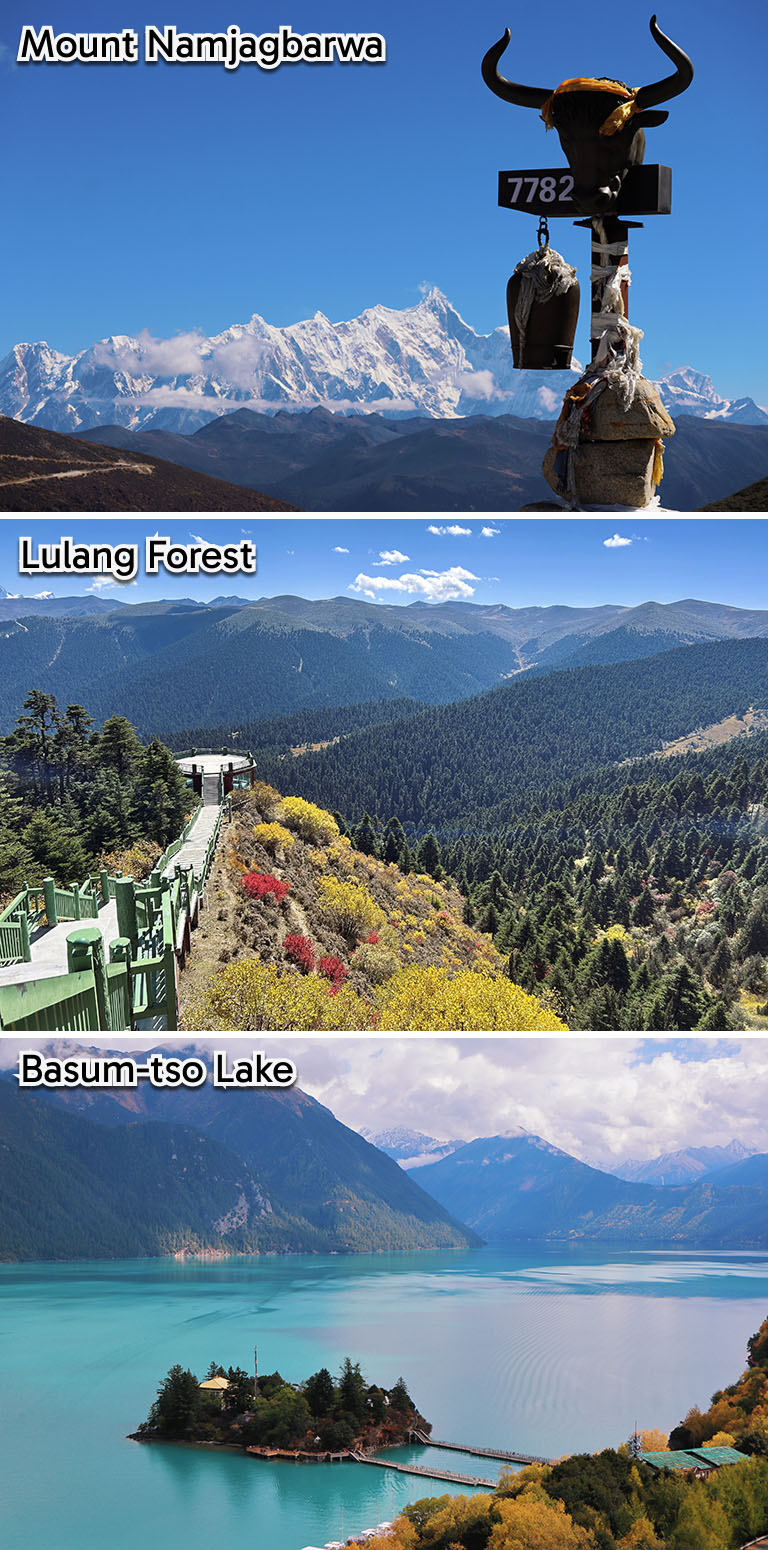 Must-Visit Attractions in Nyingchi
Discover Tibet with a Journey Tailored to You
International travelers are required to join an organized tour with a licensed travel agency to visit Tibet, which means independent travel isn’t permitted. But rather than viewing this as a limitation, we at Tibet Discovery see it as an opportunity to craft something extraordinary for you. Our decades of experience operating in Tibet allow us to transform what could be a simple route into a carefully curated journey. Just contact us to plan your adventure!
When you travel with us, you’ll benefit from:
◾ An expert local guide who brings Tibet’s history, culture, and hidden stories to life.
◾ A comfortable private vehicle suited to Tibet’s unique road conditions.
◾ An experienced driver who knows every curve of the route and can spot wildlife or photo opportunities you might otherwise miss
◾ Flexible pacing that lets you linger at viewpoints or explore unexpected discoveries along the way
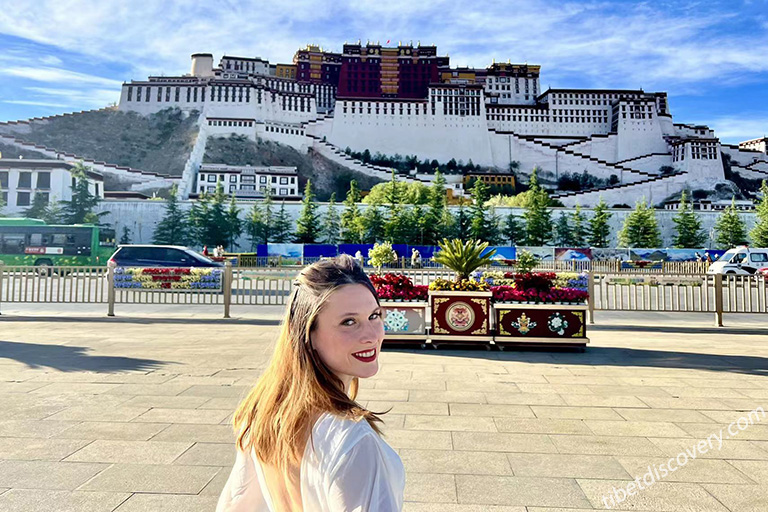
Travel with Tibet Discovery
Keep Reading about Nyingchi
Recommended Tour Packages
Escorted by a skilled private drivers and companied by a professional local tour guide to organize all the activities, all you have to do is to enjoy your fantastic Tibet journey. Time can never be wasted waiting for a group, hopping on and off buses or negotiating unfamiliar destinations.
-

Nyingchi / Bomi / Nyingchi / Lhasa
7 Days Nyingchi Peach Blossom Festival Tour with Lhasa Highlights 2026
Highlights: Gala Peach Blossom Village, Bomi Peach Blossom Valley, Midui Glacier, Basum-tso Lake, Potala Palace
-
Nyingchi / Bomi / Ranwu / Nyingchi / Lhasa
8 Days Tibet Dream Tour with Breathtaking Glaciers
Highlights: Ranwu Lake, Midui Glacier, Laigu Glacier Group, Basum Tso Lake, Potala Palace
-
Lhasa / Nyingchi / Lhasa
7 Days Classic Lhasa Nyingchi Landscape Discovery Tour
Highlights: Potala Palace, Jokhang Temple, Basum-tso Lake, Lulang Forest, Ganden Monastery
Prefer to tailor a trip that totally suits your requirements and interests? Our 20+ professional, helpful and friendly travel experts are ready to help! Tell us your needs, and one of our experts will get to you with trip details within 0.5~23.5 hrs. You can also call us at 86-28-85227275 / 86-28-85223672.

 Karen
Karen Wonder
 Jack
Jack Rita
Rita Johnson
 Vivien
 Wing
Wing Ariel
Ariel Leo
Leo Tracy
Tracy Evelyn
 April
April Phoebe
 Kelly
Kelly Shirley
 Reya
Reya Juliet
 Elk
Elk Samantha
 Felix
Felix Sean
SeanOur specialists are always ready to help!
Have a question? Get answers from our travel experts soon!
- Your Question:
- Your Name:
- Your Email:
- Submit