


 Beijing + Tibet Tours
 Chengdu + Tibet Tours
 Shanghai + Tibet Tours
 Xining + Tibet Tours


Drepung Monastery Lhasa - Tibet's Largest Monastery Complex
Drepung Monastery (蚌哲寺) is one of the three great Gelukpa monasteries, along with Sera Monastery and Ganden Monastery. As the official seat and residence from the mid-16th century to 1653, it enjoyed unparalleled status among Tibetan monasteries — once the political and religious heart of Tibet. Located on western suburbs of Lhasa on Gephel Utse Mountain, it consists of a magnificent white complex, adorned with exquiste religious treasures. Its Tibetan name "Drepung" translates to "heap of rice", a reference to its grand scale. From afar, clustered white buildings cascade down the hillside like a massive rice mound, symbolizing prosperity. Besides, it was here that the famous and significant Shoton Festival to unveil Buhhda first celebrated. A premier destination for travelers, it offers an unparalleled opportunity for in-depth immersion into Tibetan culture and traditions.
Drepung Monastery Facts
- Rating:
-

#3 of 69 Things to Do in Lhasa
- Season:
- All year round
- Type:
- Religious Site, Architectural Buildings
- Altitude:
- 3,800 meters
- Location:
- Western suburb of Lhasa
- History
- Highlights
- Transportation
- Tips
- Tour Plan
Drepung Monastery History
Drepung Monastery was founded in 1416 by Jamyang Chojey, a revered disciple of Tsongkhapa who was the founder of Tibetan Gelug Buddhism. Just two years later, it housed over 2,000 monks, reaching its heyday with some 10,000 monks studying and residing here. Its influence spread rapidly, becoming one of the most holy monasteries in Tibetan regions.
Drepung Monastery has been dedicated to promoting the study of Buddhism, teaching both Esoteric and Exoteric Buddhism. There are four dratsangs (core teaching colleges), each following the doctrinal lineages of one of Tsongkhapa's four principal disciples. There is also one Ngagpa Dratsang, a specialized institute attached to the exoteric colleges for Esoteric Buddhism practice. Throughout history, numerous prominent Tibetan religious leaders studied here.
Before the construction of the Potala Palace, Drepung Monastery served as both the political and Buddhist center of Tibet. Since then, Drepung has remained a prominent monastery and a renowned center of Buddhist learning until today.
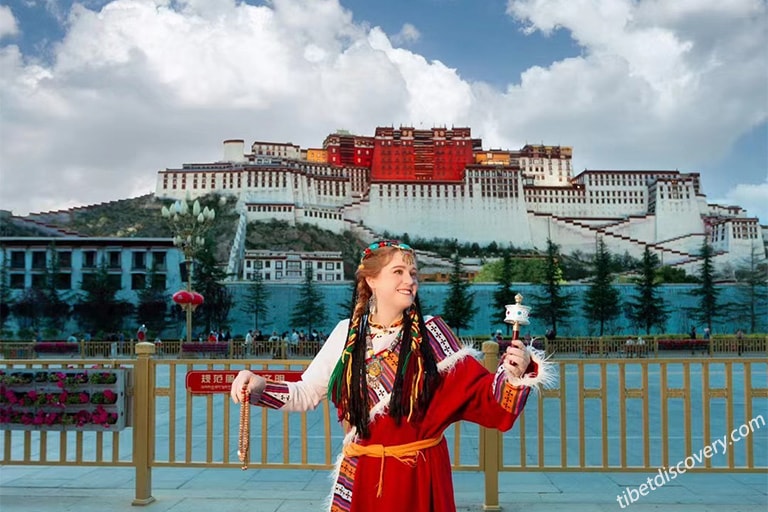
 Our Customers Visited Drepung Monastery in 2018
Drepung Monastery Highlights
Covering 250,000 square meters with nearly 5,000 rooms, Drepung Monastery cascades down the mountainside in terraced layers. Majestic and spectacular, it resembles a charming mountain town, boasting numerous highlights.
Religious Heritage Sites
Since Drepung Monastery's founding in 15th century, many constructions were made. A great many of monasteries, pagodas, chapels have been well preserved. The most important historical buildings are: Ganden Potrang, Coqen Hall, the four Zhacangs (or Tantric colleges) and numerous Kamcuns, subjected to the Zhacang.
Ganden Potrang: a sumptuous palace built in 1530 by Gendun Gyaco, serving as his presidential palace. It consists of a yard of houses. The main building is a monastery of 3 floors. The first floor is used as holding ceremonies. The second floor is the administrative site. The third floor is the personal living space.
Tsokchen Great Hall: the monastery's central hub, featuring a giant bronze statue of Qamba Buddha which was built according the appearance of Qamba Buddha at his age of eight. The conch which was gifted by Tsongkhapa in front of the Buddha cannot be missed. If you visit during monthly sutra-chanting ceremonies in the 5th, 8th and 15th, you can experience the spiritual rituals here that last the whole day, and learn about kitchen utensils and cooking material. Standing on the ground before Coqen Hall, you could take a panoramic view of Lhasa city. For a bird's-eye view of the monastery and ancient Lhasa city, it is also suggested to climb to the Thangka Exhibition Hall.
Zhacang: the unite of academy in Gelug schools. There are four Zhacangs studying different instructions of Gelug. Each Zhacang has its own chapels, kamcuns and dormitories. Visitors can watch lively Buddhist debates in their courtyards, which is a dynamic display of intellectual and spiritual practice.
 Tsokchen Great Hall in Drepung Monastery
 Ganden Potrang in Drepung Monastery
Historical & Cultural Relics
There are a large number of historical and cultural relics kept in Drepung Monastery. Feature 1) Chinaware: lots of ornate chinaware from the early Song, Ming, and Qing Dynasties. Most of them are cups, bowls, and bottles. 2) Thangka: there are several hundred Thangkas, mostly made during the Ming and Qing Dynasties. The most famous ones are four giant hanging Thangkas themed by the "scholar's four jewels" (writing brush, ink stick, ink slab, and paper) 3) Wenshu Bronzed Mirror: this mirror was carved beautifully with the appearance of Wenshu Buddha. It was received as a gift from the Shunzhi Emperor of Qing. 4) Buddha Statues: there are thousands of statues of Buddha, Bodhisattva, etc. 5) there are a considerable number of ancient weapons and armors. These artifacts provide vital materials for the study of Tibetan cultural history.
Shoton Festival
As one of the main Buddhist ceremonies, Shoton Festival is quite grand in whole Tibet and Drepung Monastery is especially known as the center site of this festival, which is held on June 30th in the Tibetan calendar (Mid-to-late August). There will be a dramatic unfurling of a giant Buddha tapestry with 30 meters long and 20 meters wide hang on the hillside Thangka Exhibition Platform in the morning, followed with various kinds of Tibetan opera performances and other activities. On this day, many Buddhists and tourists will come to celebrate it. Begin with Drepung Monastery to spread throughout Tibet, the Shoton Festival is one of the best ways to join in the local Tibetans and learn their traditional culture and religion.
 Relics in Drepung Monastery
 Drepung Shoton Festival
Travel Route of Drepung Monastery
Traverlers visiting Drepung Monastery are highly advised to explore clockwise. It's a traditional way to pray for blessings and accumulate merit in Tibetan Buddhist culture.
1. Classic Quick Route: (2-3 hours) Ticket Checkpoint - Ganden Phodrang - Tsokchen Great Hall - Nearest Zhacang - Exit
2. In-depth Cultural Tour: (3-4 hours) Ticket Checkpoint - Thangka Exhibition Platform (20-minute climbing needed with slow slopes and few steps) - Ganden Phodrang - Tsokchen Great Hall - Four Major Zhacang - Prayer Wheel Path
 Discovering Drepung Monastery
How to Get to Drepung Monastery
Drepung Monastery is situated on the mountainside in the western suburb of Lhasa, with a distance of about 8 km from Lhasa downtown. It's
● about 7 km away from Potala Palace
● about 8.6 km away from Jokhang Temple
● about 8.5 km away from Barkhor Street
● about 4.9 km away from Norbulingka Park
● about 9.5 km away from Lhasa Railway Station
● about 60 km away from Lhasa Gonggar International Airport
Taxis and private cars can take you directly to the area near Drepung Monastery's parking lot halfway up the peak, which is close to the ticket checkpoint — no extra hiking required. Buses, however, only go to the foot of the hill (Gate of the Drepung Monastery), requiring a 30 to 50 minutes climb for about 2.5 miles that's quite tiring and time-consuming. If you want to get rid of the hassle of public transportation and worry about language barriers with local drivers, travelling by private car is a good choice. And you may know that independent travel is not available for foreigners in Tibet. It's highly suggested to travel with us Tibet Discovery if you need support with your Tibet trip. In our Tibet tour packages, we take care of everything for you, including airport/train transfers, ticket, meals, accommodation, etc. Contact us now >>
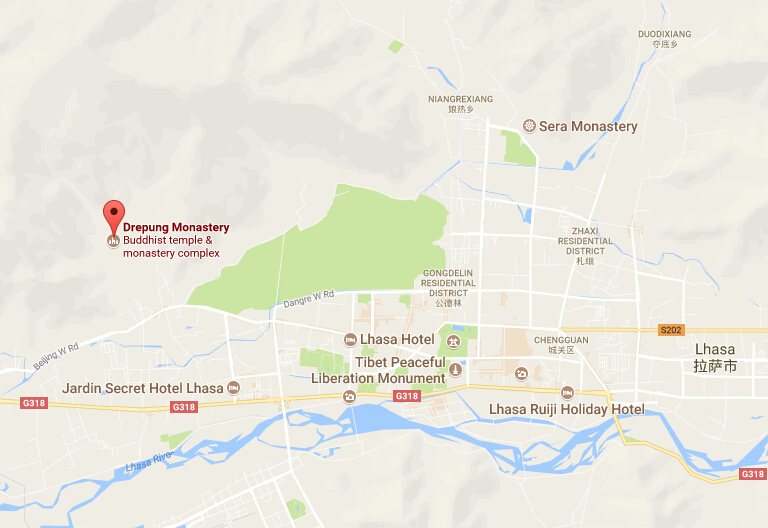
Drepung Monastery Location Map
 Our Local Private Transfer Service

Useful Travel Tips for Drepung Monastery
1. Opening Time (for reference only): 9:00-16:00 year-round. Buddhist debates are occasionally held at 14:30. Though smaller in scale than Sera Monastery's, the unique ritual is still worth experiencing.
2. Length of Travel: 2~3 hours.
3. Ticket (for reference only): CNY 60, available for on-site purchase at the mountain foot.
4. Shoton Festival Note: During the Shoton Festival (mid-to-late August), traffic controls may be implemented. Visitors are required to hike uphill to the monastery.
5. Packing & Wearing Tips: Wear comfortable shoes as there are uphill steps to climb throughout the visit. No shorts, short skirts, or sleeveless tops are allowed. Please remove your hat when entering chapels.
6. Photography Guidelines:
● No photography is allowed inside Buddha halls, chapels, or prayer rooms.
●
Exterior
architecture, courtyards, and mountain views are photo-friendly.
● Always ask permission before
photographing monks,
pilgrims, or their prayer items.
● Avoid flash near cultural relics to prevent damage.
7. Nearby Attraction: Nechung Monastery about 500 meters in the southeast direction, is a Buddhist college renowned for its various kinds of vibrant colored murals — also well worth a visit.
 Prayer Wheel Corridor in Drepung Monastery
 Buddhist Stone Paintings
How to Plan A Tibet Tour
Tibet is too vast to be visited in one single trip, but planning ahead of time can make most of your holiday. A classic Tibet tour always takes about 4 ~ 8 days. Apart from 2 days for arrival and departure, it usually needs 2 other days to explore majestic Potala Palace and other landmarks in Lhasa, the capital of Tibet. With a day trip’s distance from Lhasa, Namtso Lake is another perfect tour extension if you visit Tibet from May to October.
☛ 4 Days Holy City Lhasa Private Tour - Heart of Tibet
☛ 5 Days Lhasa City and Holy Lake Namtso Tour
To explore further, it’s strongly recommended to travel from Lhasa to Mount Everest via Gyantse and Shigatse, which usually needs 4 more days. It is an unforgettable sightseeing trip with lots of attractions to visit, such as Yamdrok Lake, Karola Glacier, Kumbum Stupa of Palcho Monastery, Tashilhunpo Monastery, etc. Of course, the biggest draw must be gazing upon the unparalleled north face of the world’s highest peak – Mount Everest.
☛ 6 Days Lhasa Gyantse Shigatse Historical Tour
☛ 8 Days Everest Base Camp Tour - Top of the World
☛ 9 Days Tibet Discovery Tour plus Everest and Namtso Expedition
For Buddhist followers and hiking lovers, you are suggested to travel to Ngari to join the kora around the holy Mt. Kailash and sacred Lake Manasarovar, which usually takes about 5 ~ 8 more days from Lhasa. The wild nature of Ngari is spectacular as well.
☛ 13 Days Mt. Kailash & Lake Manasarovar Trekking Tour
☛ 16 Days Mt.Kailash Pilgrimage Private Tour
Most travelers combine a Tibet trip with visits to other top destinations, often extending their journey from nearby hubs like Chengdu, Xian, Yunnan, or Xining, or pairing it with iconic cities and landscapes such as Beijing, Shanghai, Zhangjiajie, Guilin, etc. If you have your own needs or interest, just feel free to contact us to customize a trip of your own!
 Lhasa, Namtso, Mount Everest and Ngari are four most popular destinations in Tibet
Lhasa Top Attractions
- Potala Palace
- Namtso Lake
- Jokhang Temple
- Barkhor Street
- Sera Monastery
- Norbulingka
- Ganden Monastery
- Nyemo Tunba
- Reting Monastery
- Zongjiao Lukang Park
- Tibet Museum
Lhasa Travel
Recommended Tour Packages
Escorted by a skilled private driver and accompanied by a professional local tour guide to organize all the activities, all you have to do is to enjoy your fantastic Tibet journey. Time can never be wasted waiting for a group, hopping on and off buses, or negotiating unfamiliar destinations.
-

Lhasa / Yamdrok Lake / Gyantse / Shigatse / Mount Everest / Lhasa
8 Days Lhasa to Mount Everest Private Tour with Base Camp Experience
Highlights: Potala Palace, Jokhang Temple, Yamdrok Lake, Palcho Monastery, Everest Base Camp, Sakya Monastery, Tashilhunpo Monastery
-
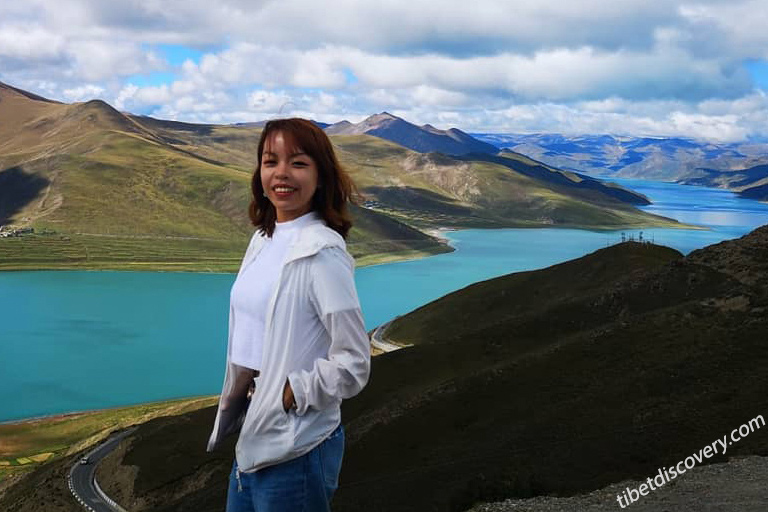
Lhasa / Gyantse / Shigatse / Mount Everest / Gyirong
7 Days Lhasa to Gyirong Border Overland Tour via Mount Everest
Highlights: Potala Palace, Yamdrok Lake, Palcho Monastery, Mount Everest
-
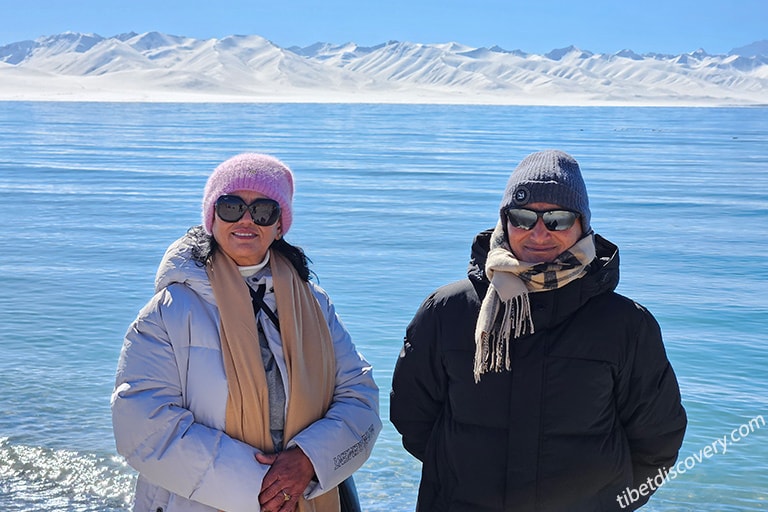
Lhasa / Yamdrok Lake / Gyantse / Shigatse / Mount Everest / Namtso Lake / Lhasa
9 Days In-depth Tibet Discovery Private Tour plus Everest and Namtso Expedition
Highlights: Potala Palace, Jokhang Temple, Yamdrok Lake, Palcho Monastery, Everest Base Camp, Sakya Monastery, Tashilhunpo Monastery, Namtso Lake
Prefer to tailor a trip that totally suits your requirements and interests? Our 20+ professional, helpful and friendly travel experts are ready to help! Tell us your needs, and one of our experts will get to you with trip details within 0.5~23.5 hrs. You can also call us at 86-28-85227275 / 86-28-85223672.

 Karen
Karen Wonder
 Jack
Jack Rita
Rita Johnson
 Vivien
 Wing
Wing Ariel
Ariel Leo
Leo Tracy
Tracy Evelyn
 April
April Phoebe
 Kelly
Kelly Shirley
 Reya
Reya Juliet
 Elk
Elk Samantha
 Felix
Felix Sean
SeanOur specialists are always ready to help!
Have a question? Get answers from our travel experts soon!
- Your Question:
- Your Name:
- Your Email:
- Submit