


 Beijing + Tibet Tours
 Chengdu + Tibet Tours
 Shanghai + Tibet Tours
 Xining + Tibet Tours


North Face in Tibet vs. South Face in Nepal: Which Side of Everest Should You Visit?
As the world’s tallest peak, Mount Everest straddles the border of Tibet (China) and Nepal, offering two distinct travel experiences. While both lead to the same majestic mountain, the journey on each side is profoundly different: the North Everest Base Camp (Tibet) at around 5,200 meters and the South Everest Base Camp (Nepal) at about 5,364 meters. One is a journey across space, the other a journey through experience.
The north face in Tibet and the south face in Nepal offer two entirely different ways to encounter the same mountain - one defined by accessibility and vast, immediate views, the other by trekking, immersion, and gradual discovery.
Two Routes, Two Journeys
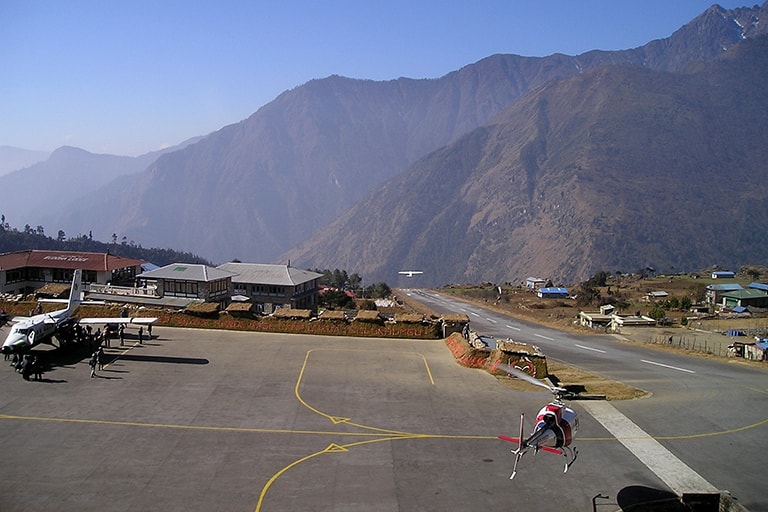
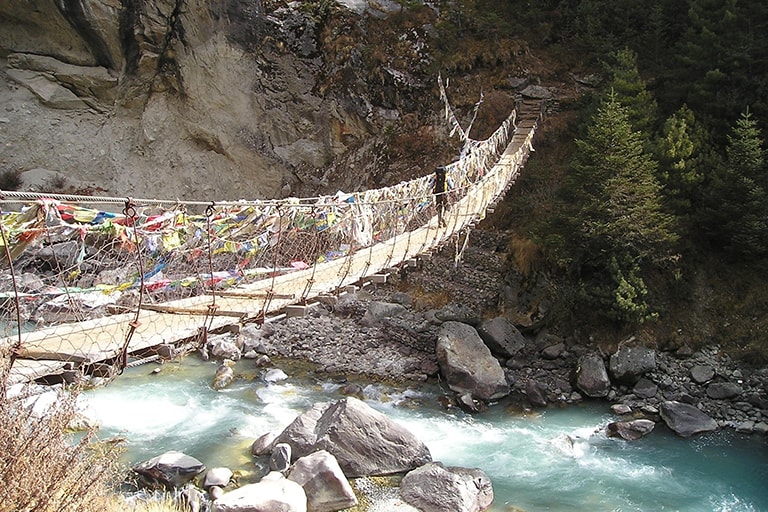
On Nepal’s southern slope, reaching Everest Base Camp is a gradual journey of endurance and discovery. After flying into Lukla, trekkers spend 8 to 12 days navigating the Khumbu region. The trail weaves through forests, suspension bridges, alpine valleys, and Sherpa villages, revealing Everest step by step.
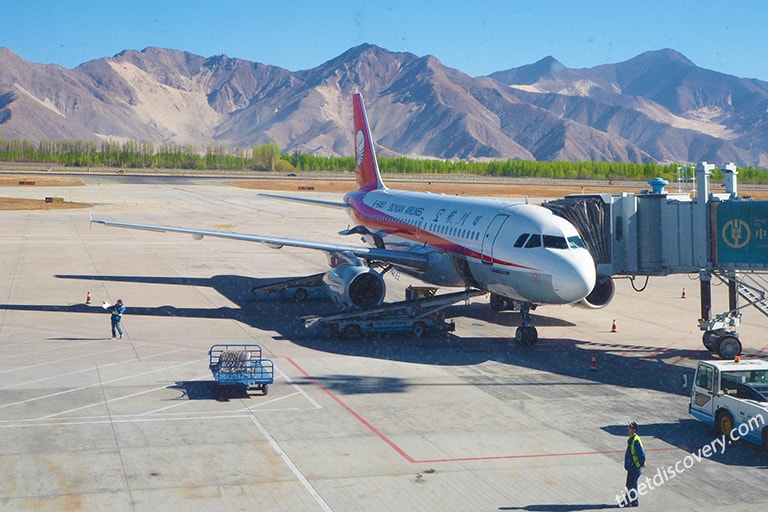
Tibet offers a contrasting experience. From Lhasa, modern highways stretch across the Tibetan Plateau, bringing travelers to Everest Base Camp in just a few days. Here, the journey feels expansive rather than strenuous, shifting the focus from physical challenge to visual appreciation.
In essence, Nepal is a journey to Everest; Tibet is a journey with Everest.
Accessibility: Ease vs. Adventure
From a sightseeing perspective, the Tibetan side holds a clear advantage in accessibility. Modern highways connect Lhasa to the Everest scenic area, allowing visitors to reach the base camp region without the need for long-distance trekking.
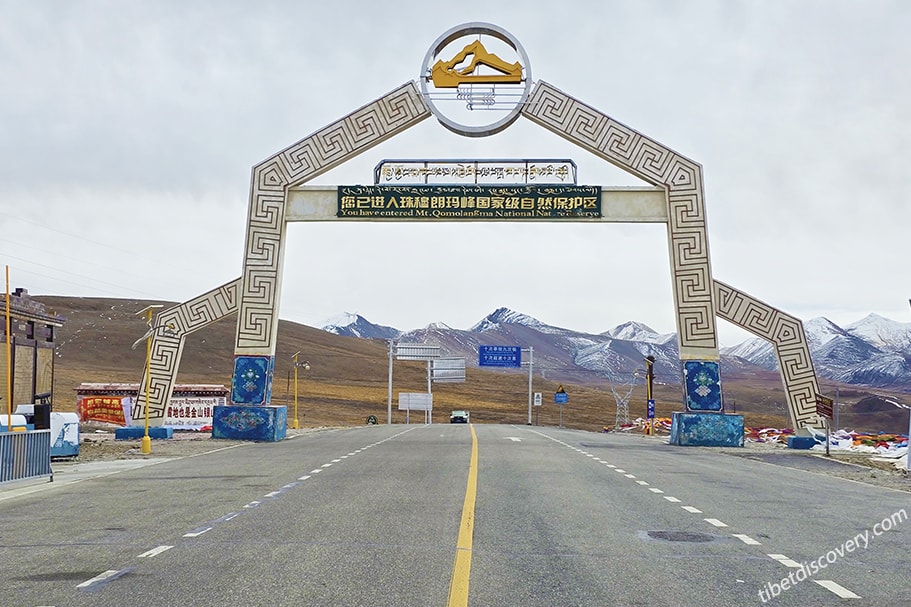
This ease of access significantly lowers the physical barrier. Travelers who may not have the time, fitness level, or desire for a multi-day hike can still experience Everest up close. Families, elderly visitors, photographers, and general tourists all find the Tibetan route more accommodating.
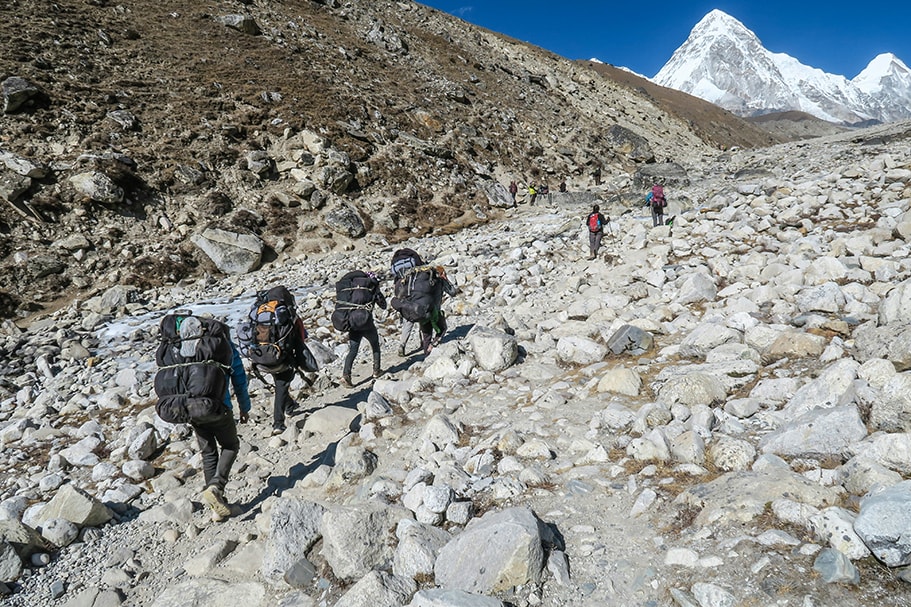
On the Nepal side, however, the journey itself is the core experience. The trek requires time, stamina, and adaptation to altitude, making it better suited for those seeking an active and immersive adventure.
Scenery: Immersive vs. Panoramic
The landscapes of Nepal are rich and varied. As you trek upward, the scenery changes constantly - lush forests give way to rugged terrain, rivers cut through valleys, and villages bring warmth and human presence to the high Himalayas. Every day unveils new scenery, creating a rich, immersive journey.
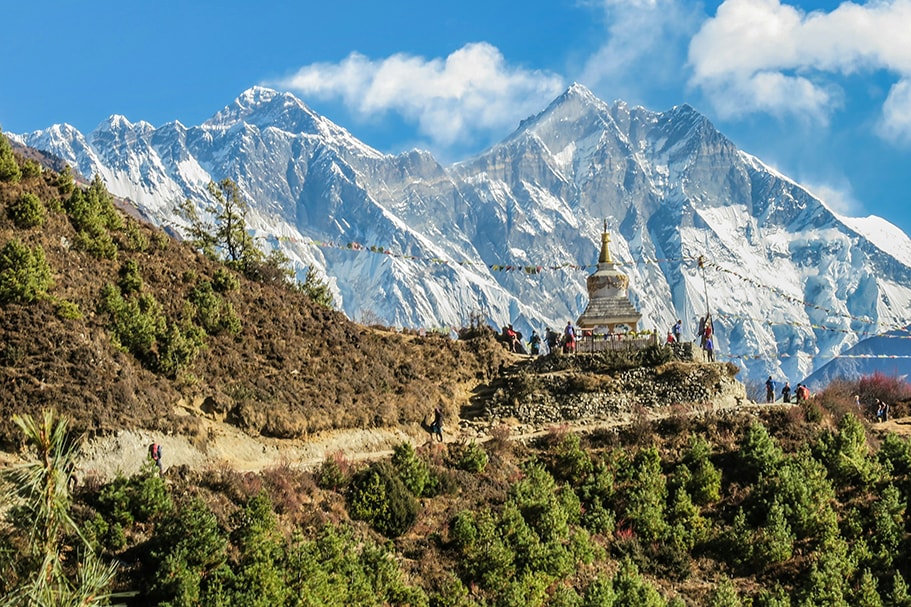
Tibet, in contrast, offers a different kind of beauty. The plateau stretches wide under an open sky, with a sense of space that is both humbling and serene. The environment is stark yet powerful, and the mountains rise sharply from the horizon.
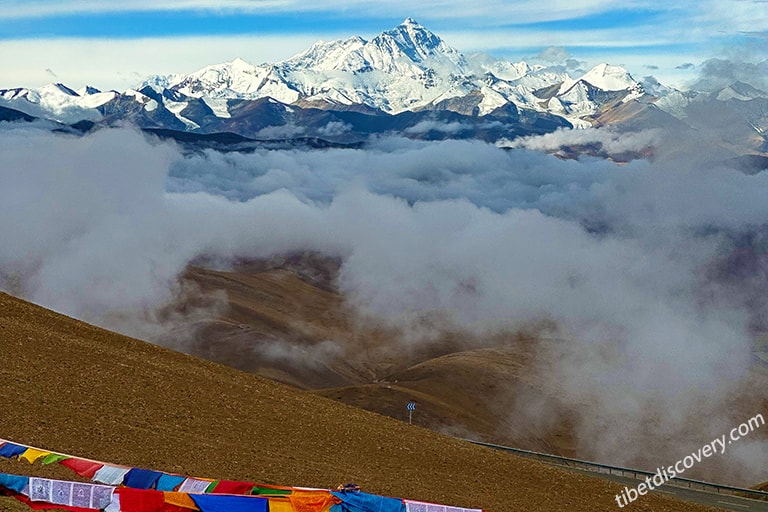
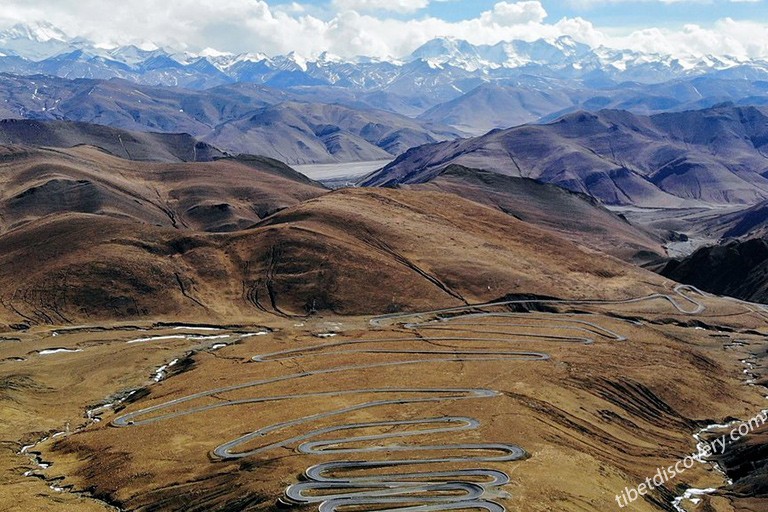
Most notably, the north face of Everest in Tibet delivers one of the most iconic and unobstructed views of the mountain. It stands fully exposed, dramatic and immense, making it especially appealing for sightseeing and photography.
Viewing Experience: Immediate vs. Gradual
One of the most striking differences between the two sides is how you actually see Everest.
In Tibet, the mountain appears in its full form, directly visible from the base camp area. The viewing experience is immediate and visually impactful - a single, unforgettable encounter with the world’s highest peak.
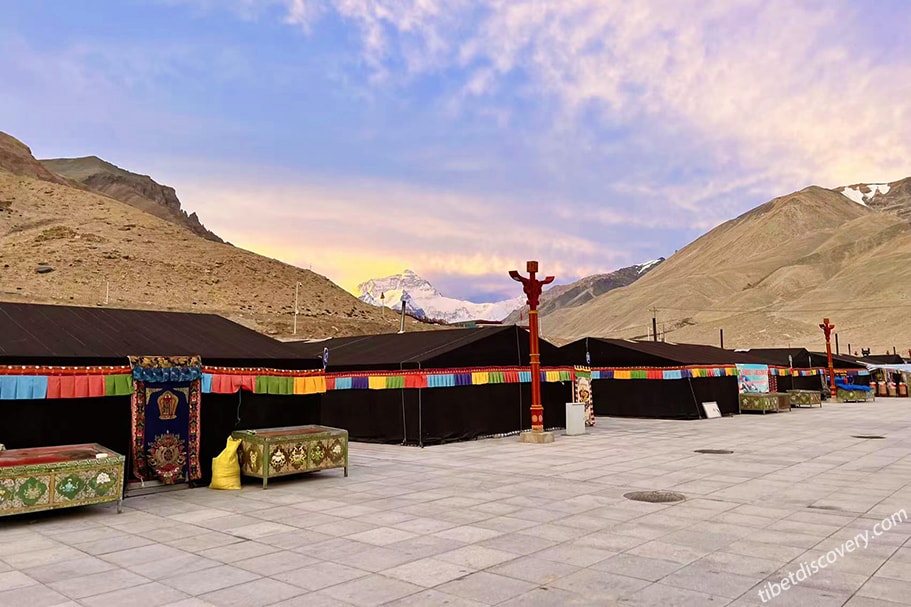
In Nepal, Everest reveals itself more subtly. Along the trekking route, it often appears partially hidden behind neighboring peaks. Even at base camp, the summit is not always clearly visible, and many travelers hike to higher viewpoints like Kala Patthar for a better perspective.
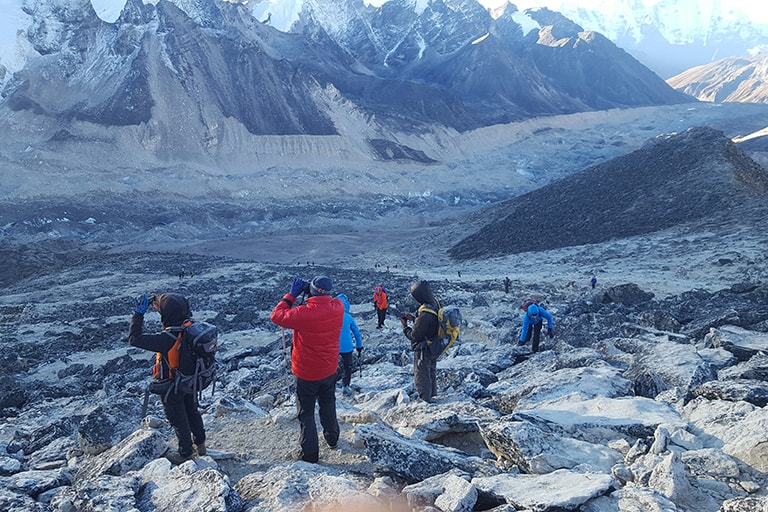
Thus, Tibet offers a clear and iconic view, while Nepal provides a gradual and evolving relationship with the mountain.
Activities: Trekking Expedition vs. Scenic Exploration
The highlight in Nepal is trekking - long days on the trail toward Everest Base Camp and beyond. Mountaineering expeditions, cultural interactions, and village life enrich the journey and make it a true expedition.
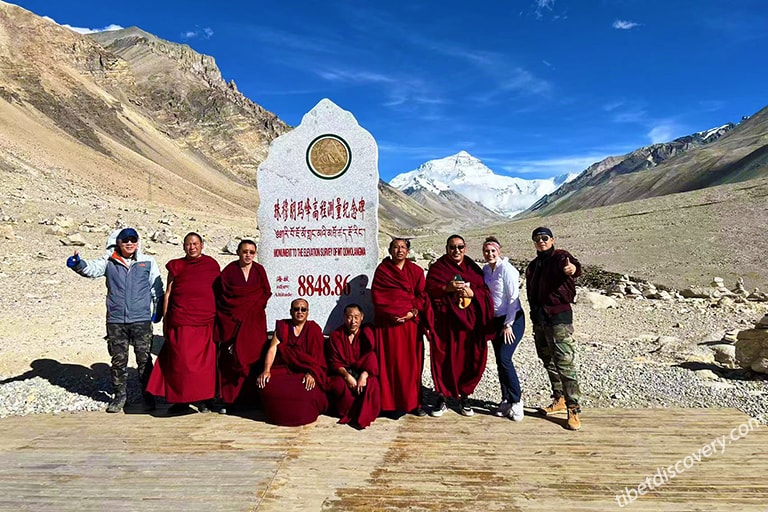
Travel Tibet leans more toward sightseeing, photography, monastery visits, and short hikes that don’t require technical climbing or multi-day treks. If you prefer landscapes and cultural exploration without extended hiking, the north side appeals strongly.
Cultural Experience: Immersion vs. Highlights
Culturally, the Nepal route is deeply immersive. Trekking through Sherpa villages allows travelers to witness daily life, interact with locals, and experience Himalayan traditions in a continuous and organic way.
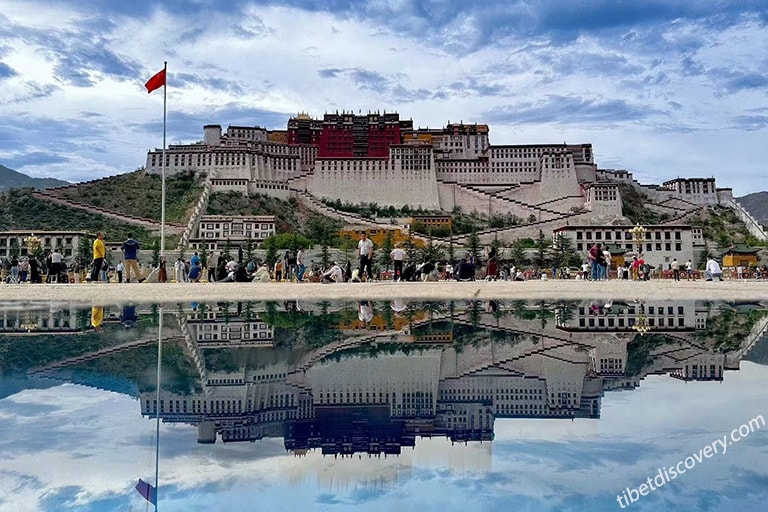
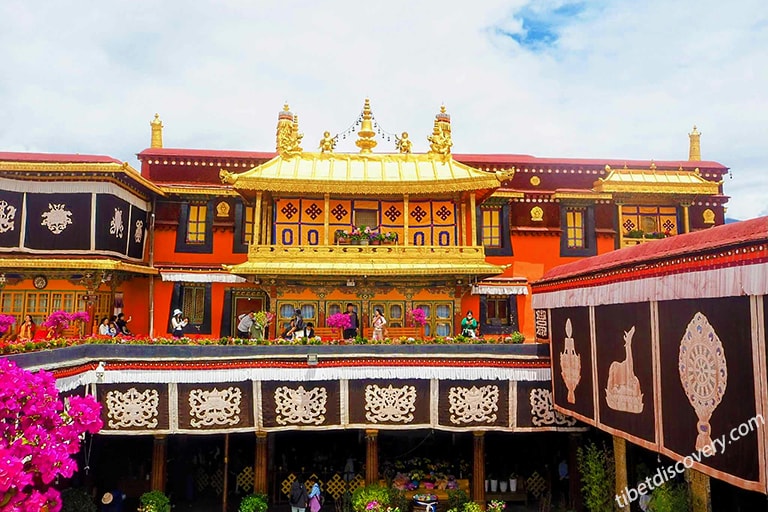
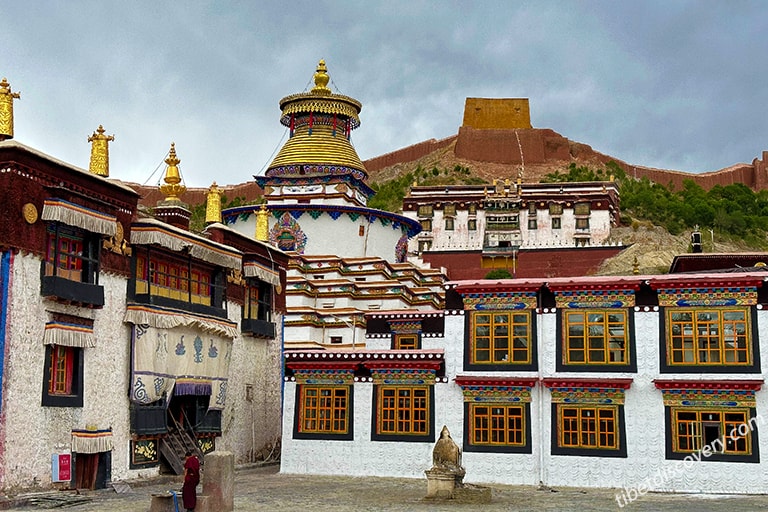
In Tibet, cultural encounters are more concentrated. From Lhasa, sites such as key landmarks - Potala Palace and monasteries - Jokhang Temple, Palcho Monastery, Tashilhunpo Monastery, etc. provide meaningful insights into Tibetan Buddhism and local heritage.
Infrastructure and Travel Comfort
Another important distinction lies in tourism infrastructure.
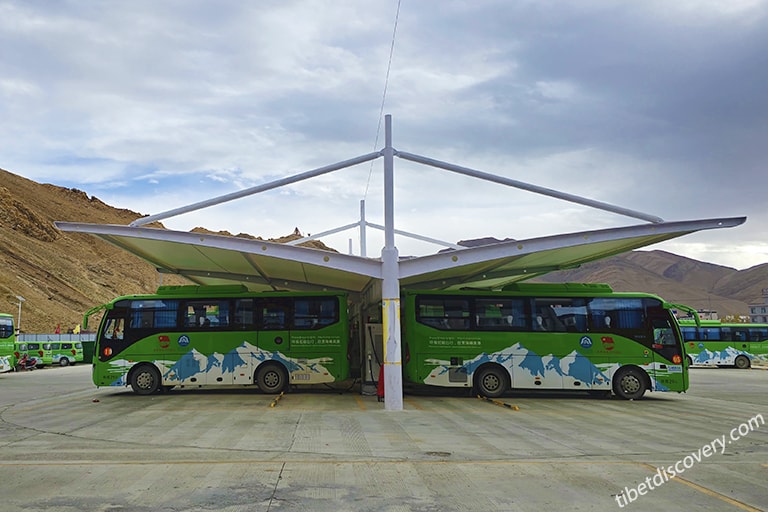
The Tibetan side benefits from centralized and modern facilities. Roads, visitor centers, shuttle systems, and organized accommodations create a structured and efficient travel experience. This supports not only convenience but also large-scale tourism management.
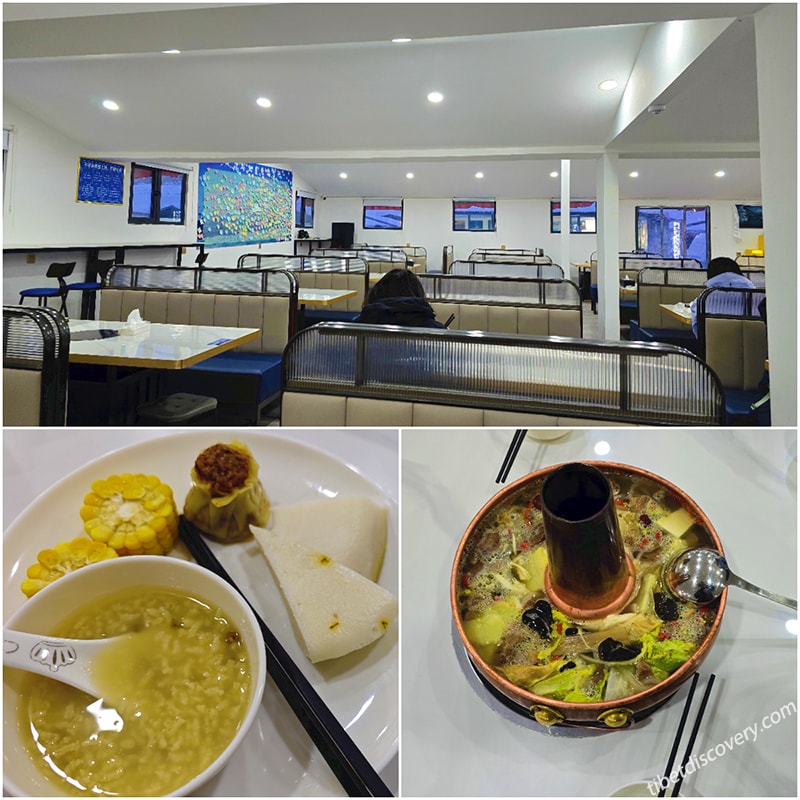
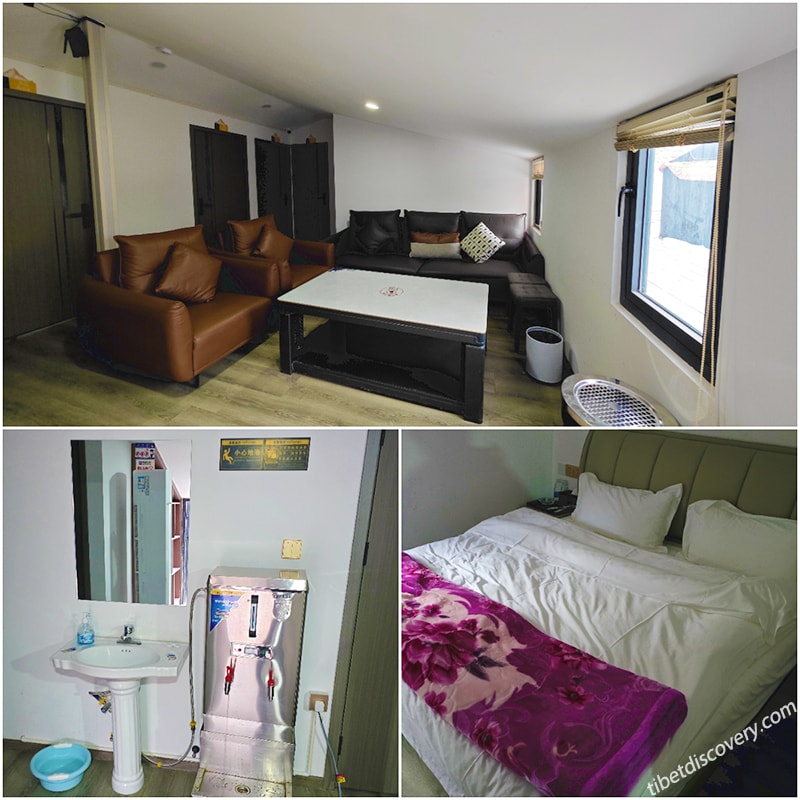
In Nepal, infrastructure is more decentralized. Teahouses and lodges are spread along the trekking route, providing basic but welcoming services. The experience feels more personal and authentic, though less standardized.
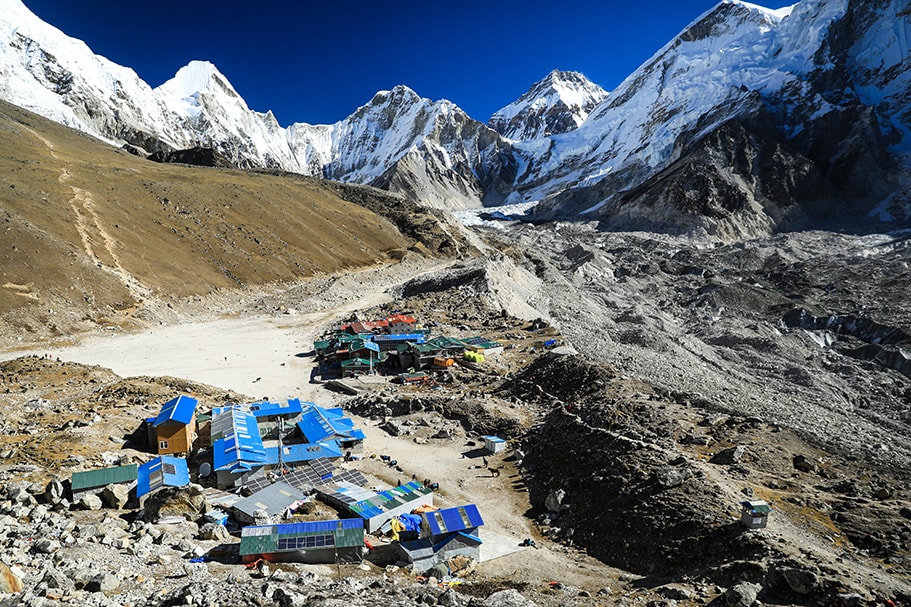
For travelers prioritizing comfort and efficiency, Tibet offers a smoother journey. For those seeking authenticity and a sense of remoteness, Nepal holds a unique appeal.
Cost Difference: North Face (Tibet) vs. South Face (Nepal)
When choosing which side of Mount Everest to visit, cost is also an important consideration. Generally speaking, the North Face in Tibet is more cost-efficient and easier to manage than the South Face in Nepal.
Firstly, traveling to Everest from Tibet follows a more straightforward and packaged route. Visitors can drive all the way to Everest Base Camp, with transportation, permits, and guide services usually arranged together. This makes expenses more predictable and avoids many extra costs along the way.
In contrast, visiting Everest from Nepal often involves a long trekking journey. Travelers need to take domestic flights, hire porters or guides, and spend several days on the trail. While this creates a richer trekking experience, it also means more separate expenses and a higher overall budget.
For climbers, both sides require significant investment, but the Tibet side is often considered relatively more economical, mainly due to simpler logistics and fewer additional services involved.
Which Side of Everest Should You Choose?
If you are an adventurer at heart - someone who values the journey as much as the destination - the south face in Nepal offers a deeply rewarding trekking experience. It’s about endurance, immersion, and the satisfaction of reaching Everest step by step.
But if your goal is to see Everest in its full grandeur - clearly, comfortably, and without extreme physical demands - the north face in Tibet stands out. Its accessibility, inclusive travel experience, and iconic panoramic views make it especially appealing for sightseeing, photography, and a broader range of travelers.
Make Your Everest Journey Matter
There’s no single “best” way to experience Everest - just different ones. The Nepalese south approach offers the classic high‑altitude trek, rich culture, and an emotional journey toward the heart of the world’s highest peak. The Tibetan north side presents comfort, ease of access, panoramic views, and a profound sense of scale from the vast plateau. Whether you trek through the valleys of Nepal or drive across the vast Tibetan Plateau, one truth remains unchanged: standing before Mount Everest is an experience that transcends the journey itself.
Travel to Mount Everest together with Tibet Discovery, with over 15 years of experience, focusing on customizable Tibet tours. From the smooth ascent along modern highways to the serene and comfortable Base Camp under the starry sky, every detail of the journey has been carefully redesigned. Beyond Tibet, we also provide tailor-made tours to many other destinations across China, such as Beijing, Xian, Shanghai, Guilin, Zhangjiajie, and more. We look forward to welcoming you and helping you discover the beauty Tibet as well as other destinations in China with confidence and ease.
Plan Your Everest Journey NowRecommended Mount Everest (Tibet) Tours 2026
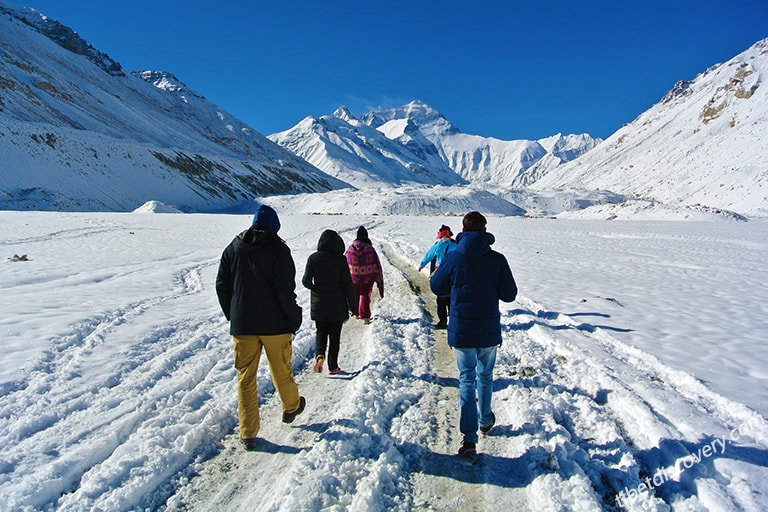
7 Days Once-in-a-lifetime Private Tour from Lhasa to Mount Everest
Embark on a 7-day private journey from Lhasa to Mount Everest, combining Tibetan culture with breathtaking Himalayan scenery. This once-in-a-lifetime trip takes you through sacred cities, turquoise lakes, historic monasteries, and spectacular mountain landscapes.

8 Days Lhasa to Mount Everest Private Tour with Base Camp Experience
Tibet tour wouldn't be complete without a visit to Mount Everest. This 8 Days Lhasa to Mount Everest Private Tour offers you a complete Tibet tour and weaves together Tibet's most classic sights into a package.
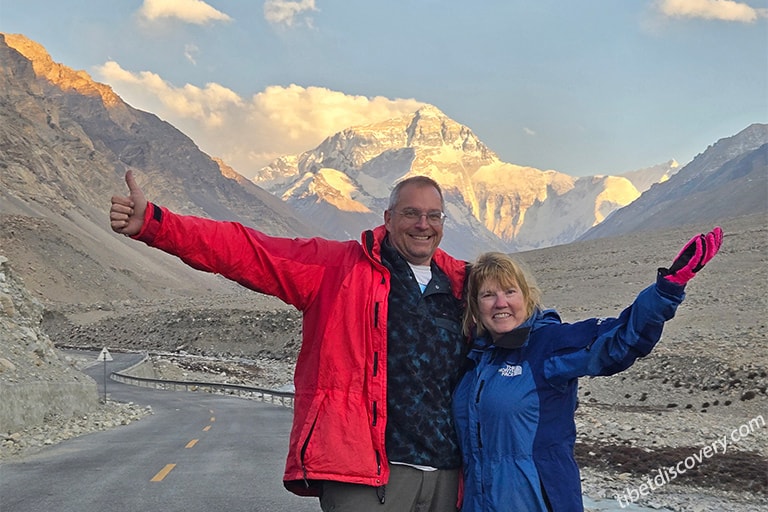
8 Days Tibet Mount Everest Memorable Tour with Flight to Kathmandu
This meticulously crafted 8-day itinerary takes you from Lhasa, the spiritual capital, to the serene shores of Lake Yamdrok, and culminates at the awe-inspiring base camp of Mount Everest, the world’s highest peak.
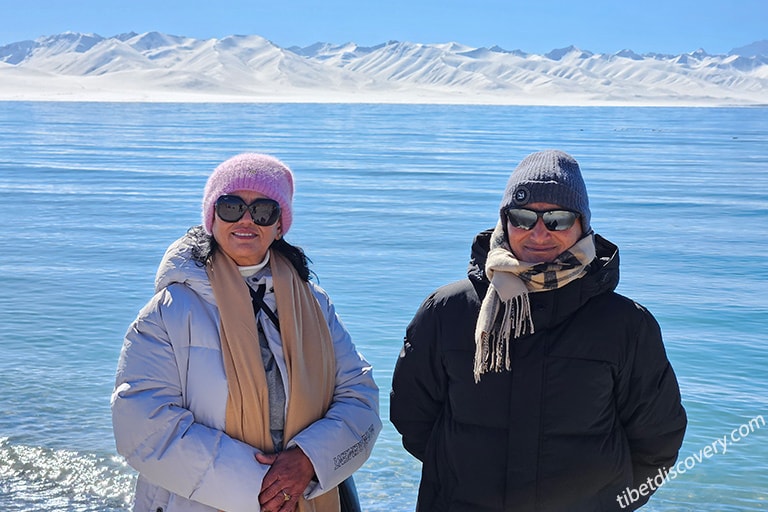
9 Days In-depth Tibet Discovery Private Tour plus Everest and Namtso Expedition
This 9 Days In-depth Tibet Discovery Private Tour will take you follow popular destinations from Lhasa to Gyantse, Shigatse, Mount Everest and Namtso Lake. All must-see places for first-timers with once-in-a-lifetime experience.

10 Days Private Chengdu Tibet Mount Everest Immersive Overland Tour
Start in Chengdu, ascend to Tibet. Designed for travelers seeking both the easygoing charm and the profound depth, this 10-day journey seamlessly blends an essence exploration of Chengdu with an epic Tibetan overland adventure, driving from Lhasa through Yamdrok Lake, Gyantse, and Shigatse to Mount Everest, before completing the loop back to Lhasa.

16 Days Private Qinghai Tibet Train Tour with Nyingchi and Mount Everest from Chengdu
This thoughtfully designed private tour combines the serenity of Tibet’s sacred landmarks with the experience of the Qinghai-Tibet Railway, providing an unforgettable adventure for those seeking both cultural immersion and natural beauty.
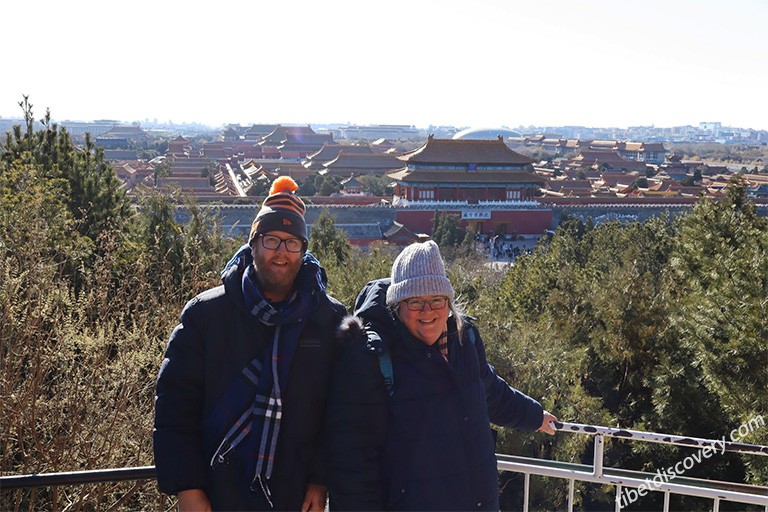
18 Days Private China Majestic Tour with Everest Expedition from Beijing
This meticulously crafted tour offers a seamless blend of rich culture, breathtaking landscapes, and spiritual heritage, with the added thrill of standing at the foot of the world’s highest peak.
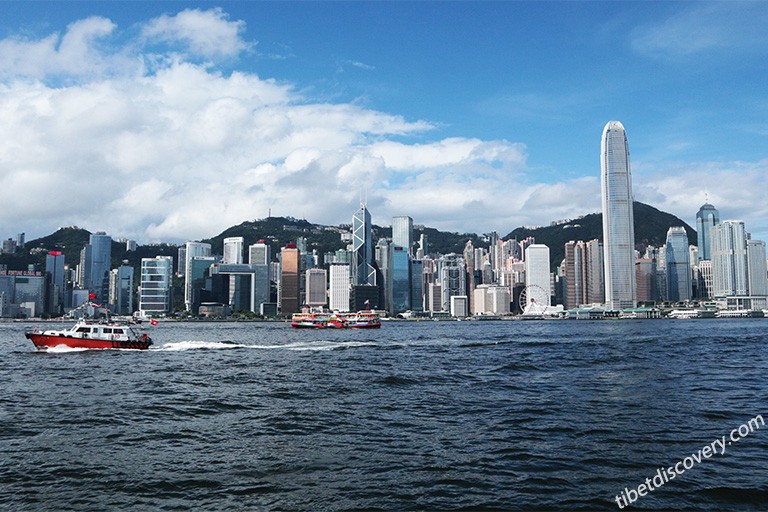
23 Days Private Extraordinary China Tour from Hong Kong with Holy Tibet
This 23-day tour takes you through Hong Kong, Guilin, Zhangjiajie, Chengdu, Lhasa, Gyantse, Shigatse, Mount Everest, Xi'an, and Beijing, showcasing China's extraordinary natural scenery, profound cultural experiences, and the unmissable highlight of the world's highest peak.
Essential Travel Guide: Planning Your Everest (Tibet Side) Visit
April-May and Sept-Oct are the golden windows. Expect daytime temps of 10-15°C and night drops to -10°C. Pack layered clothing, a heavy down jacket, and high-SPF sunscreen for the intense high-altitude sun.
Requires a Chinese Visa, Tibet Travel Permit, Alien's Travel Permit, and Frontier Pass. Apply through a registered agency at least 20 days in advance to ensure processing.
Classic 8-day Lhasa-EBC loops are most popular. Crucially, spend 3 days in Lhasa (3,650m) to acclimate before ascending to the 5,200m Base Camp to prevent altitude sickness.
Travelers typically arrive in Lhasa first, then follow the classic route via Yamdrok Lake, Gyantse, and Shigatse to reach Everest. A mandatory eco-bus transfer is required for the final stretch to EBC.
Related Tibet Insights: More Travel Articles

The Arrival of a Comfortable Everest
Where Majesty Meets Modern Comfort
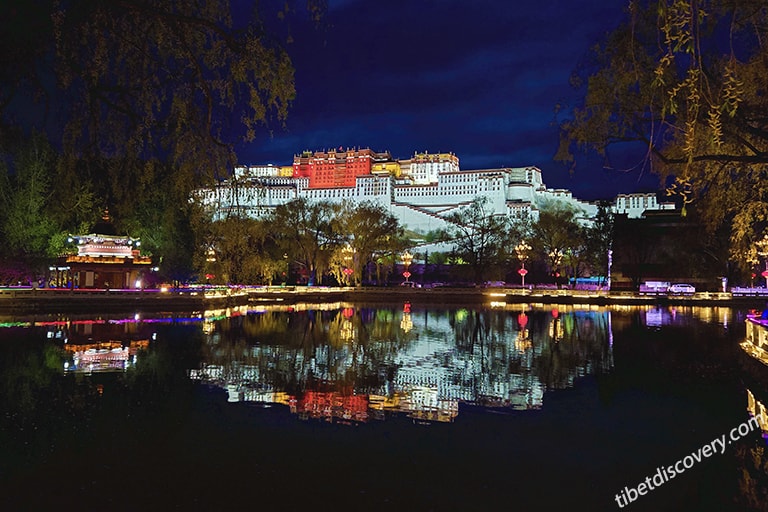
Day and Night in Lhasa
Lhasa by Day and Night: Where Sunshine Meets Faith, and Serenity Embraces Romance
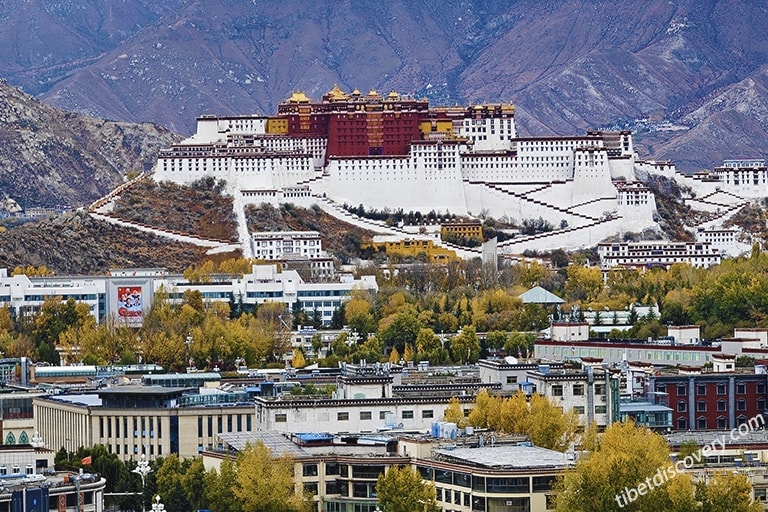
Tibet's Reliable Oxygen Supply
A Growing, Comprehensive Oxygen Support System for Preventing Altitude Sickness

 Karen
Karen Wonder
 Jack
Jack Rita
Rita Johnson
 Vivien
 Wing
Wing Ariel
Ariel Leo
Leo Tracy
Tracy Evelyn
 April
April Phoebe
 Kelly
Kelly Shirley
 Reya
Reya Elk
Elk Samantha
 Bliss
Bliss York
York Felix
Felix Sean
Sean