


 Beijing + Tibet Tours
 Chengdu + Tibet Tours
 Shanghai + Tibet Tours
 Xining + Tibet Tours


Reliable Oxygen Supply in Tibet: A Growing, Comprehensive Oxygen Support System for Preventing Altitude Sickness
Oxygen deficiency is a health challenge faced by both residents and travelers on the plateau. Today, this concern is being steadily addressed across Tibet. From widely available routine oxygen supply services to portable oxygen devices that can be carried at all times, solutions now support oxygen needs in a variety of situations. These measures not only help visitors alleviate altitude sickness and travel with peace of mind, but also serve as practical tools for the daily health of local residents - adding an essential layer of protection to life and travel on the plateau.
Tibet’s oxygen supply system spans multiple sectors, including transportation, healthcare, hotel, tourism, technology, and environmental management. In many areas, oxygen supply points, rest stations, and medical consultation services are readily available, providing support for preventing altitude sickness and rapid response when needed.
Safeguarding Health at Transportation Gateways
As travelers arrive in Tibet with excitement for its breathtaking landscapes, airports and railway stations serve as the first line of health protection.
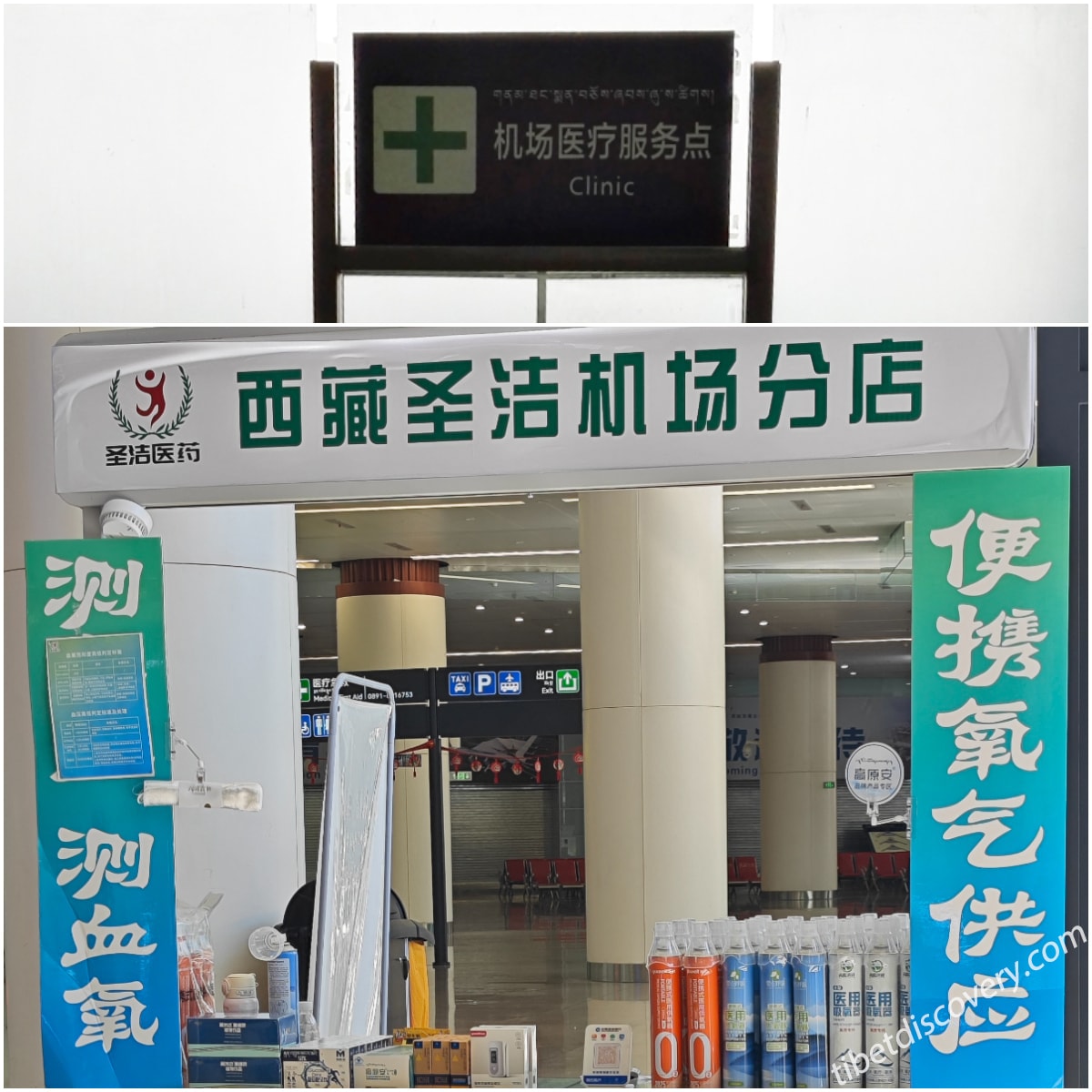
At Lhasa Gonggar International Airport, medical stations are equipped with sufficient oxygen supply facilities, including oxygen concentrators and disposable oxygen cylinders, ensuring a safe start to every journey. Airlines operating flights to Tibet also provide portable oxygen bottles and oxygen bags for passengers to use during flights if needed.
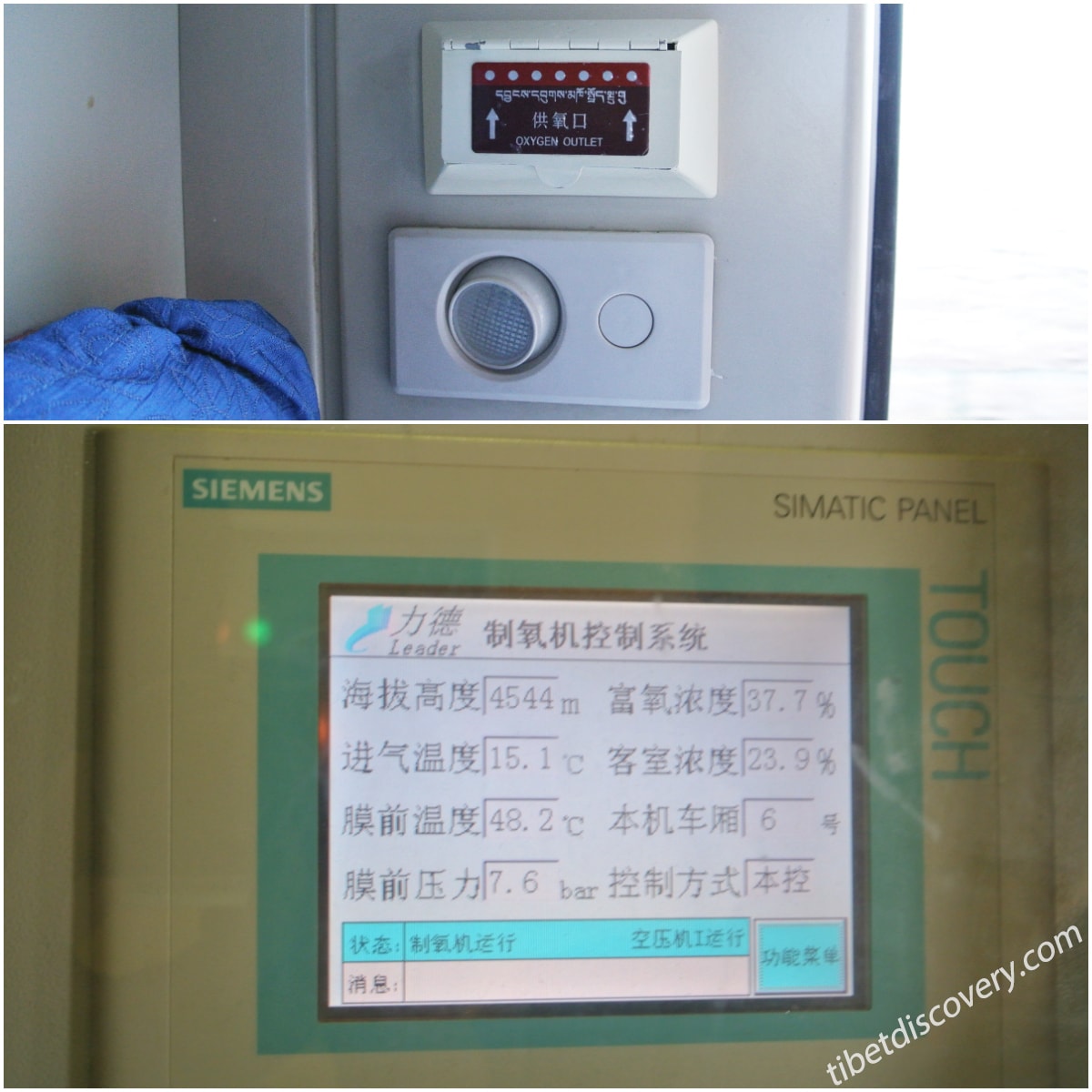
At Lhasa Railway Station, a comprehensive health service center is available, equipped with blood pressure monitors, blood oxygen monitors, and oxygen cylinders. Travelers can receive free oxygen support when necessary. Some trains traveling into Tibet are also fitted with onboard oxygen supply systems, ensuring continuous oxygen availability throughout the journey.
Medical Support for Altitude-Related Conditions
Hospitals and emergency centers across Tibet are well-equipped with oxygen supply systems and trained medical staff to handle severe altitude sickness cases promptly.
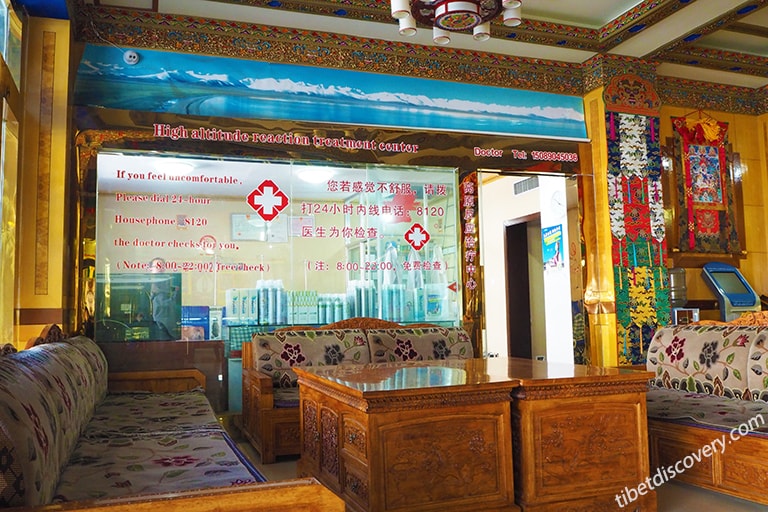
Major hospitals, such as the Tibet Autonomous Region People’s Hospital, have established 24-hour altitude sickness treatment centers. These facilities are equipped with advanced technologies, including hyperbaric oxygen chambers and oxygen concentrators, to provide efficient and precise treatment.
To further improve patient care, Lhasa People’s Hospital has set up a dedicated emergency treatment area specifically for newly arrived travelers and patients with mild altitude sickness, ensuring immediate monitoring and oxygen therapy upon admission.
Some medical institutions also conduct research on altitude sickness prevention and develop scientific guidelines for oxygen use.
Oxygen-Enriched Hotels for Comfortable Stays
Most hotels in Tibet are equipped with stable oxygen supply systems to ensure guest comfort at high altitude.
Some large hotels use centralized oxygen supply systems to deliver oxygen to guest rooms through pipelines and are equipped with independent oxygen concentrators. Most hotels usually offer multiple oxygen supply methods, including diffusion oxygen, nasal oxygen, and portable oxygen cylinders.
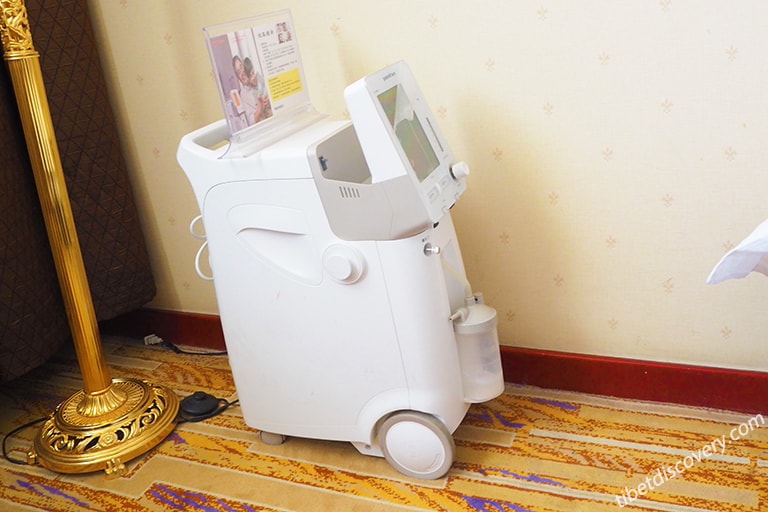
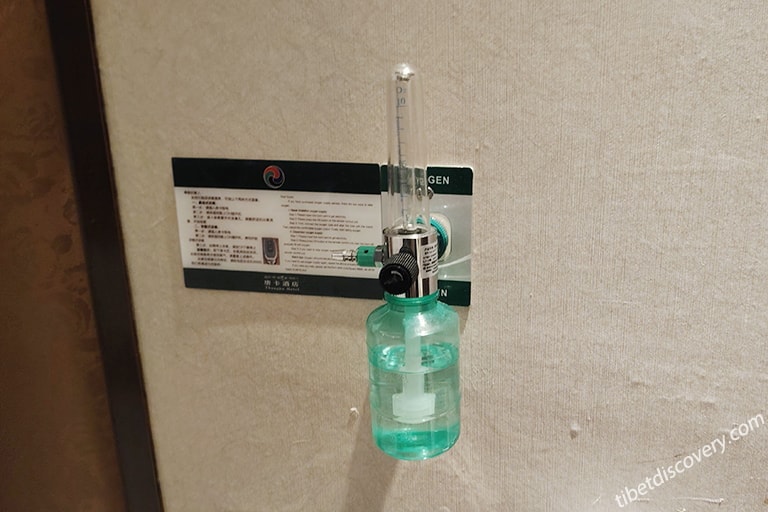
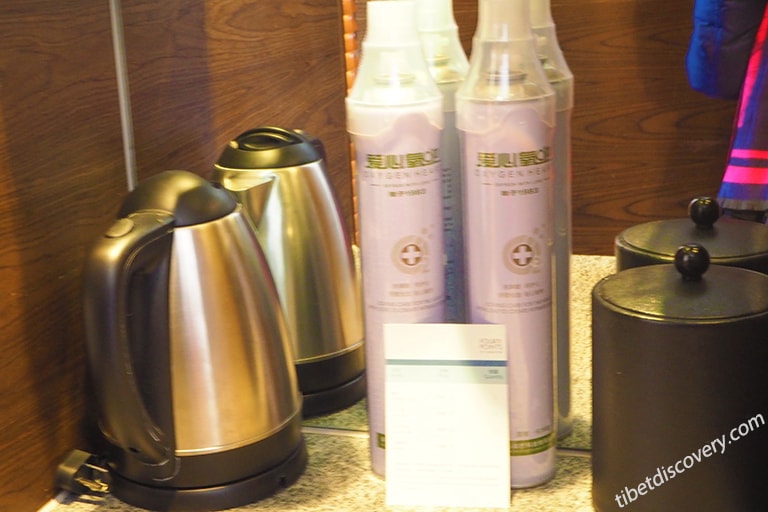
Diffuse oxygen systems create oxygen-rich environments in public spaces without requiring equipment. Nasal oxygen systems provide concentrated oxygen, ideal for sleep or emergency situations. Portable oxygen cylinders allow flexible use anytime and anywhere.
In addition to oxygen services, many hotels offer traditional herbal drinks such as rhodiola and chrysanthemum tea to help relieve altitude discomfort. Local beverages like sweet tea and butter tea are also provided, offering both cultural flavor and adaptation benefits.
Comprehensive Oxygen Support in Tourism
Across Tibet, scenic areas, tourist centers, and transportation services are equipped with oxygen supply facilities to ensure full coverage throughout the travel experience.
Popular destinations such as the Potala Palace (Altitude: 3,700m), Everest Base Camp (Altitude: 5,200m), and Namtso Lake (Altitude: 4,700m) provide oxygen equipment at visitor centers and rest areas. Portable oxygen bottles are available for rent or purchase. High-altitude locations also feature mobile oxygen chambers and advanced oxygen supply systems.
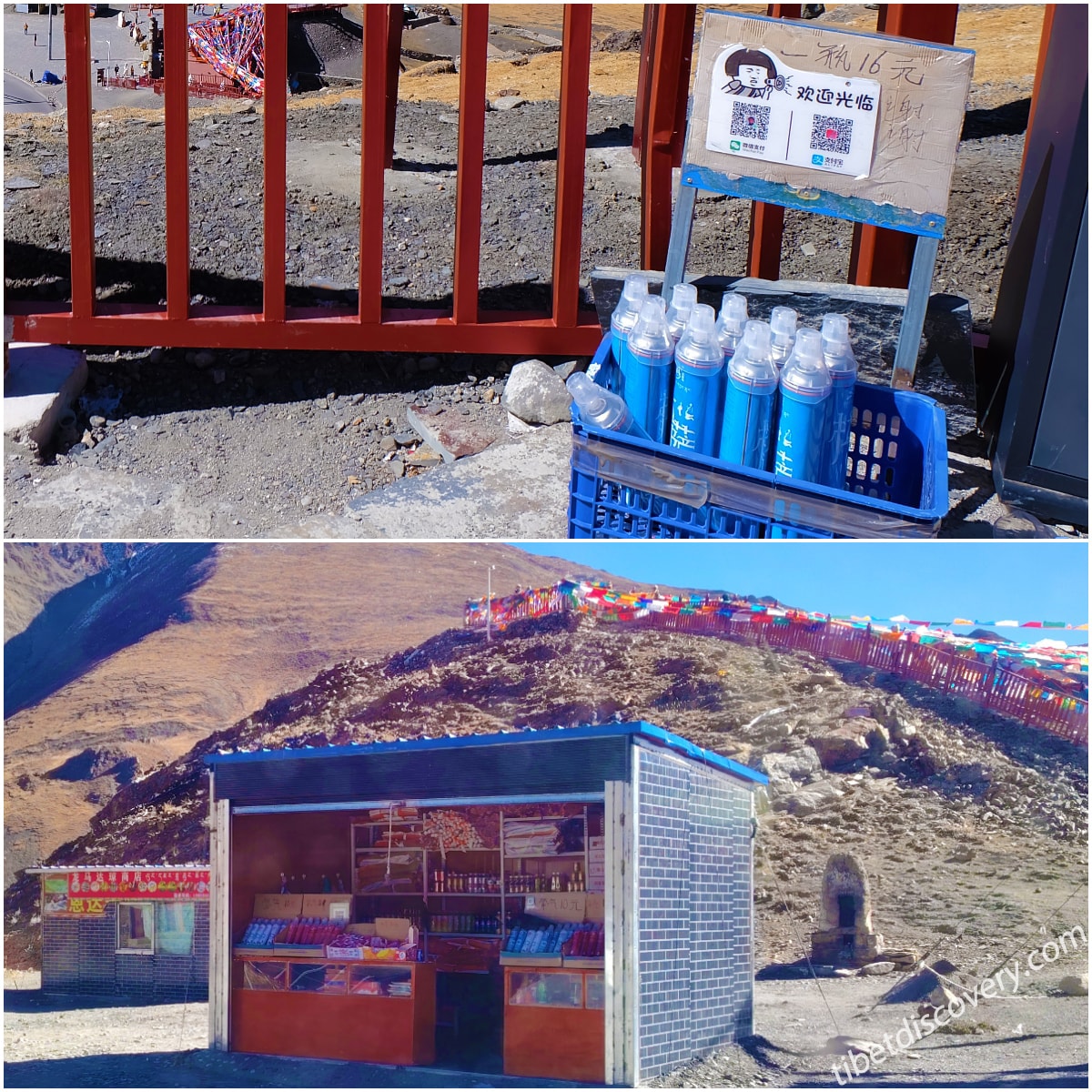
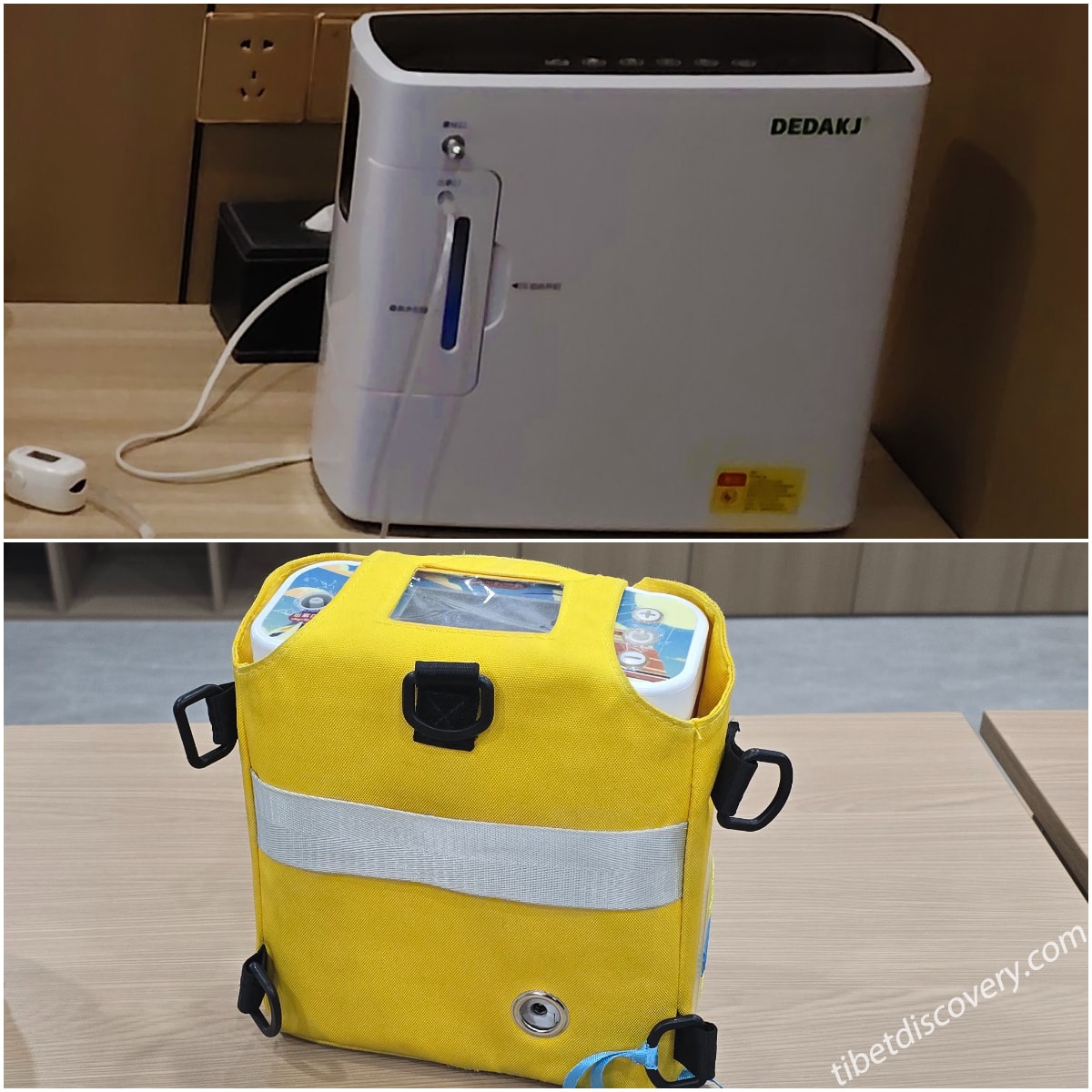
Along major travel routes, some gas stations and rest stops offer portable oxygen supplies. Tourist buses are often equipped with onboard oxygen systems, improving travel comfort.
At the Everest Shuttle Transfer Center, oxygen facilities are complemented by medical emergency zones where visitors can rest and receive oxygen support.
Technology Enhancing Oxygen Therapy
Innovative solutions like “sea-level oxygen chambers” have become increasingly popular among visitors.
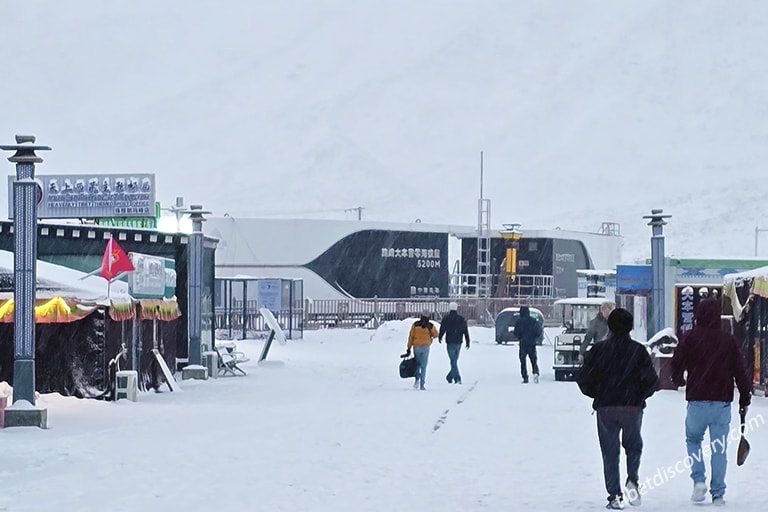
These chambers use advanced pressurization and oxygen regulation systems to simulate a sea-level environment within minutes, rapidly increasing blood oxygen levels. For travelers experiencing dizziness or fatigue upon arrival, this provides an effective way to relieve discomfort.
Inside, the chambers are designed for comfort, featuring high-quality seating, audio systems, and even VIP lounges. Portable medical devices allow quick health monitoring and remote consultations with medical experts.
With these advancements, oxygen support now covers both indoor and outdoor travel scenarios, enabling visitors to explore Tibet safely and comfortably.
Environmental Efforts to Improve Oxygen Levels
Tibet has also improved oxygen availability through ecological restoration and greening initiatives.
In recent years, afforestation and ecological projects have significantly increased vegetation coverage. Forest coverage has risen, and expanded plant life contributes to higher oxygen production through photosynthesis.
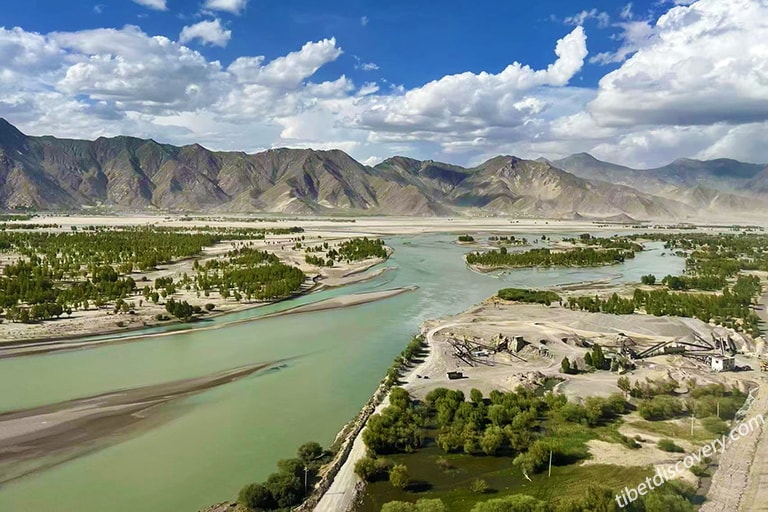
For example, afforestation efforts in Lhasa’s Nanshan area produce substantial annual oxygen output, while the Lalu Wetland - known as the “lungs of Lhasa” - has seen vegetation coverage increase dramatically, further improving air quality and oxygen distribution.
Tips for Preventing Altitude Sickness
Despite improvements in oxygen supply systems, personal preparation remains essential.
Travelers are advised to take preventive medication in advance and avoid catching colds before entering high-altitude areas. Those with chronic conditions such as hypertension or diabetes should ensure their health is stable prior to travel.
Common symptoms of altitude sickness include headache, shortness of breath, and rapid heartbeat. Oxygen inhalation can help relieve mild symptoms. Nasal oxygen is suitable for daily use, while mask oxygen is recommended for more serious situations. If symptoms persist, medical attention should be sought immediately.
It is important to note that oxygen inhalation helps relieve symptoms but does not replace the body’s natural adaptation process. Adequate rest, hydration, and proper nutrition are essential. Light activity and breathing exercises can also help improve adaptation to the high-altitude environment.
Make Your Tibet Journey Matter
Overall, Tibet’s oxygen supply infrastructure continues to improve, combining fixed stations, mobile systems, and portable devices to achieve comprehensive coverage. This integrated approach ensures that both residents and travelers can meet their oxygen needs in various settings - allowing visitors to enjoy Tibet’s stunning landscapes while traveling safely and comfortably.
With over ten years of experience specializing in customizable tours, Tibet Discovery is dedicated to helping travelers enjoy authentic Tibet tours. With professional experience, we focus on understanding travelers' needs, refining our services, and creating well-paced, worry-free itineraries. Beyond Tibet, we also provide tailor-made tours to many other destinations across China, such as Beijing, Xian, Shanghai, Guilin, Zhangjiajie, and more. We look forward to welcoming you and helping you discover the beauty Tibet as well as other destinations in China with confidence and ease.
Plan Your Tibet Journey NowRecommended Tibet Tours 2026
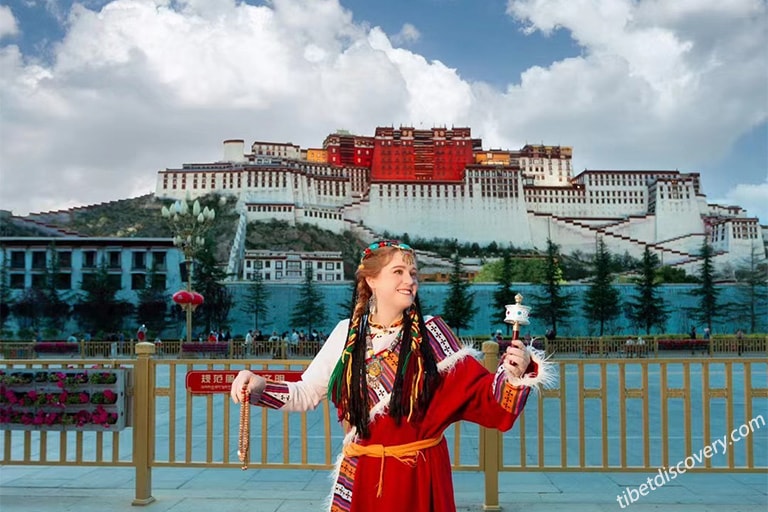
4 Days Holy Lhasa City Highlights Private Tour with Cultural Heritage Treasure
4-Day Lhasa Private Tour: This is one of our most popular tour packages in Tibet. On this classic journey, you will explore the best attractions of Lhasa in 4 days, perfect for those with limited travel time and first-time travelers.

5 Days Lhasa Highlights & Holy Lake Namtso Private Tour
5-Day Lhasa & Holy Lake Namtso Tour: Experience Tibet the way it is meant to be experienced. Ideal for those with limited time but want to see the major attractions in Lhasa and be a bit adventurous.

8 Days Lhasa to Mount Everest Private Tour with Base Camp Experience
Tibet tour wouldn't be complete without a visit to Mount Everest. This 8 Days Lhasa to Mount Everest Private Tour offers you a complete Tibet tour and weaves together Tibet's most classic sights into a package.
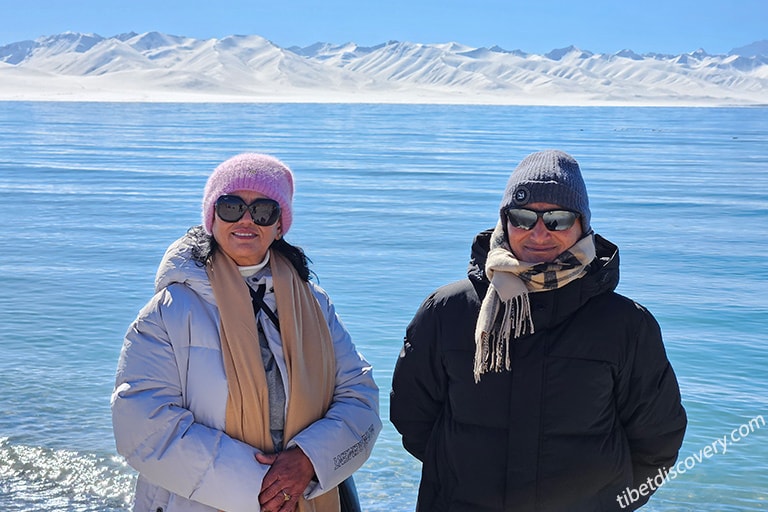
9 Days In-depth Tibet Discovery Private Tour plus Everest and Namtso Expedition
This 9 Days In-depth Tibet Discovery Private Tour will take you follow popular destinations from Lhasa to Gyantse, Shigatse, Mount Everest and Namtso Lake. All must-see places for first-timers with once-in-a-lifetime experience.

11 Days Private China Highlights Tour with Tibet from Chengdu
This 11-day journey takes you on a captivating exploration of China's most iconic destinations from Chengdu with thoughtfully paced itinerary to ensure you can fully absorb each destination while gently acclimating to the heights of the Tibetan plateau.
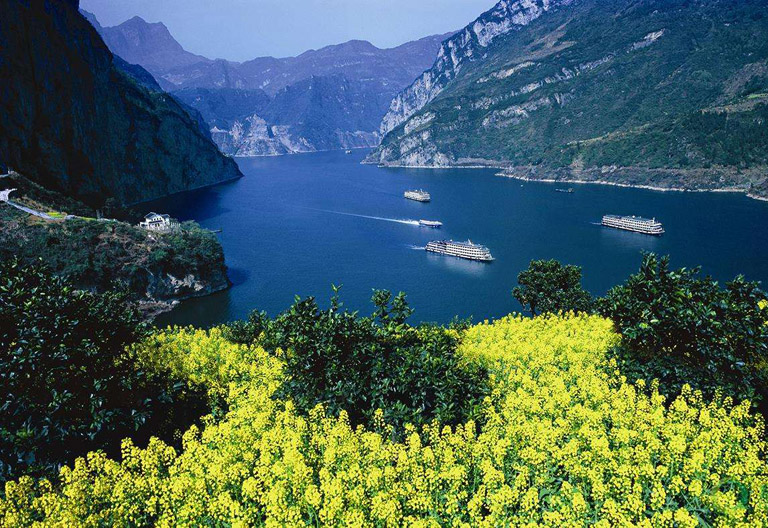
17 Days Best Private China Tour with Tibet and Yangtze River Cruise
With "leisure and immersive travel" at its heart, this curated route takes you through 7 iconic destinations: Beijing, Xi'an, Lhasa, Chengdu, Chongqing, the Yangtze River, and Shanghai. Each stop is planned with thoughtful pacing, blending historical depth, cultural immersion, natural wonders, and modern vitality into one seamless experience.
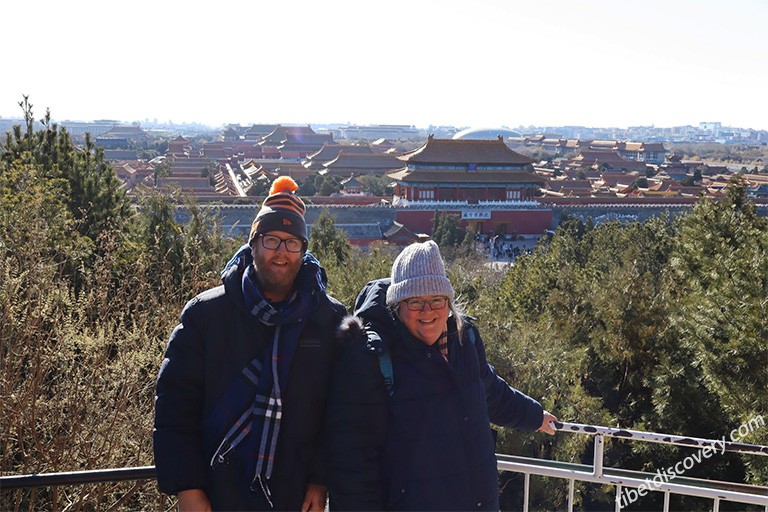
18 Days Private China Majestic Tour with Everest Expedition from Beijing
This meticulously crafted tour offers a seamless blend of rich culture, breathtaking landscapes, and spiritual heritage, with the added thrill of standing at the foot of the world’s highest peak.
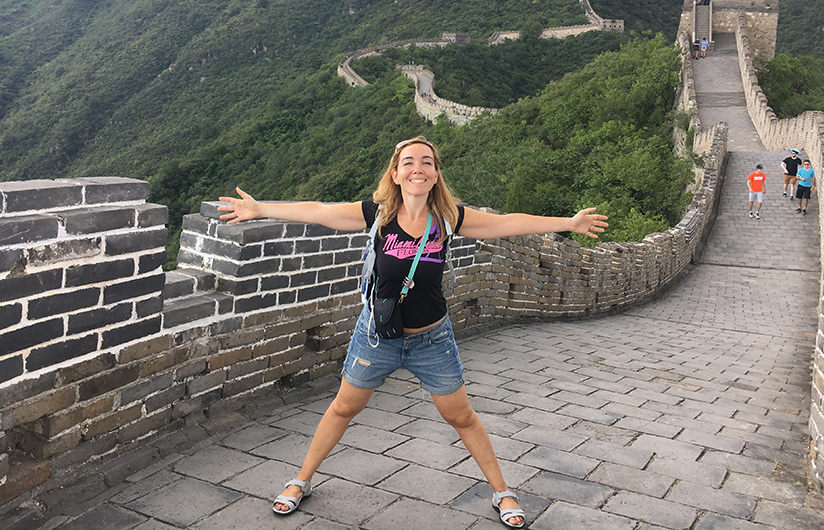
21 Days Complete China Tour with Timeless Heritage and Breathtaking Scenery
You will not only learn about the Chinese culture and history, but also enjoy the top landscapes in China - historical word heritage sites, modern metropolis, adorable pandas. The most exciting part is to visit the Avatar world in Zhangjiajie.
Essential Travel Guide: Planning Your Tibet Visit
April-May and Sept-Oct are the golden windows. Expect daytime temps of 10-15°C and night drops to -10°C. Pack layered clothing, a heavy down jacket, and high-SPF sunscreen for the intense high-altitude sun.
Chinese visa and Tibet Travel Permit are required. When traveling to Mount Everest in Shigatse and other areas beyond Lhasa, Foreigners' Travel Permit and Frontier Pass are also needed. Apply through a registered agency at least 20 days in advance to ensure processing.
Tibet is vast, and the travel time varies for different destinations. Lhasa usually takes 3~4 days, Namtso 1~2 days, Shigatse 5~6 days, Mount Everest 7~8 days, Ngari 9~10 days, Nyingchi 2~3 days, etc.
Nowadays, traveling to Tibet is more convenient than ever. You can take direct flights or the Qinghai-Tibet Railway to Tibet from major China gateway cities such as Beijing, Chengdu, Shanghai, Xining, etc., and you can also by land through neighboring Nepal.
Related Tibet Insights: More Travel Articles
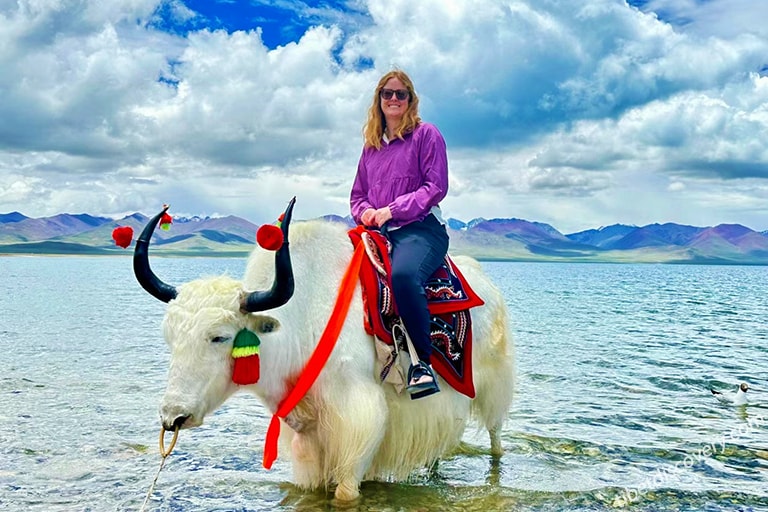
Top 10 Things to Do in Tibet: Top Tibet Tourist Attractions
Help you plan your trip wisely and make your travel more worthwhile!
Tibet Travel Permit: A Complete Guide
Everything you need to know about the mandatory permits.

The Arrival of a Comfortable Everest
Where Majesty Meets Modern Comfort

 Karen
Karen Wonder
 Jack
Jack Rita
Rita Johnson
 Vivien
 Wing
Wing Ariel
Ariel Leo
Leo Tracy
Tracy Evelyn
 April
April Phoebe
 Kelly
Kelly Shirley
 Reya
Reya Juliet
 Elk
Elk Samantha
 Felix
Felix Sean
Sean