


 Beijing + Tibet Tours
 Chengdu + Tibet Tours
 Shanghai + Tibet Tours
 Xining + Tibet Tours


A New Era of Mount Everest Travel: Where Majesty Meets Modern Comfort
At 5,200 meters, Everest Base Camp on the Tibet side stretches out before you - not as a place of hardship, but of quiet wonder. You wake inside a thoughtfully designed tent, warmed against the mountain chill, with a steady oxygen supply easing the altitude. Step outside, and dawn spills gold across the face of the mountain. By night, you cradle a cup of hot Tibetan butter tea beneath a sky thick with stars.
For decades, a journey to Mount Everest demanded endurance - rough roads, basic shelter, and the relentless test of altitude. Today, that narrative is changing. This sacred land is entering a new era - one where awe-inspiring landscapes meet thoughtful comfort, and where Tibetan culture is not observed from afar, but woven into every moment of the journey.
This is the era of a comfortable Everest: where accessibility meets authenticity, and where the magic of the world’s highest peak is no longer reserved for only the most rugged adventurers.
The Reimagined Path: From Hardship to Harmony
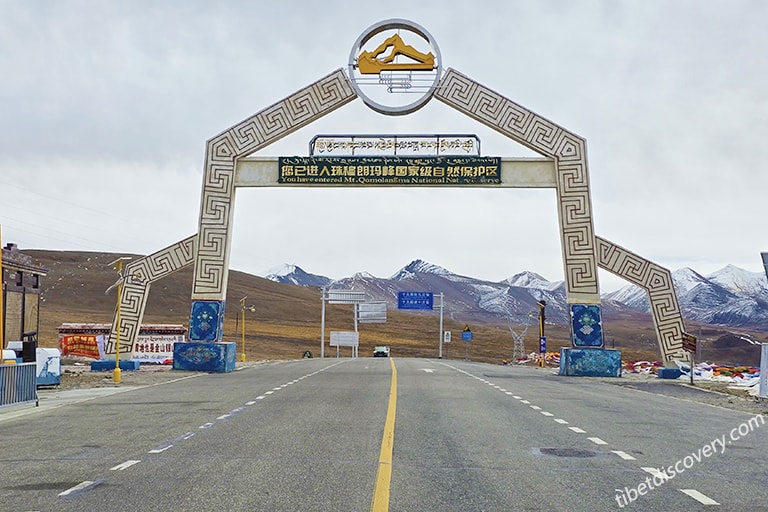
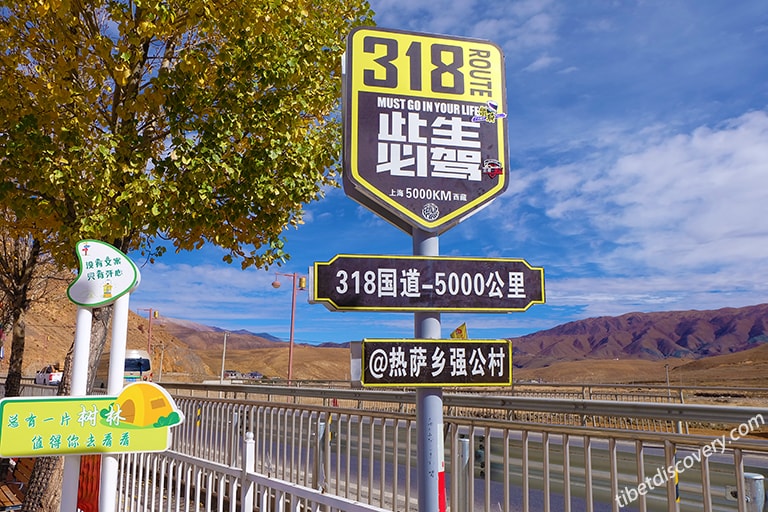
Every journey has a beginning, and for Everest, it starts in Tingri County - the gateway to the Himalayas. Once defined by rugged, unforgiving roads, the route from Shigatse to Tingri has transformed into a smooth and scenic passage, thanks to the upgraded National Highway 318. What was once a barrier is now an invitation.
The classic route unfolds gradually. Departing from Lhasa, travelers pass through the layered landscapes of the Tibetan plateau, allowing both body and spirit to acclimate. Whether choosing the tour of a private car adventure via Yamdrok Lake, Gyantse, and Shigatse or combining Lhasa Shigatse Train and road for a more relaxed approach, the journey itself becomes part of the destination.
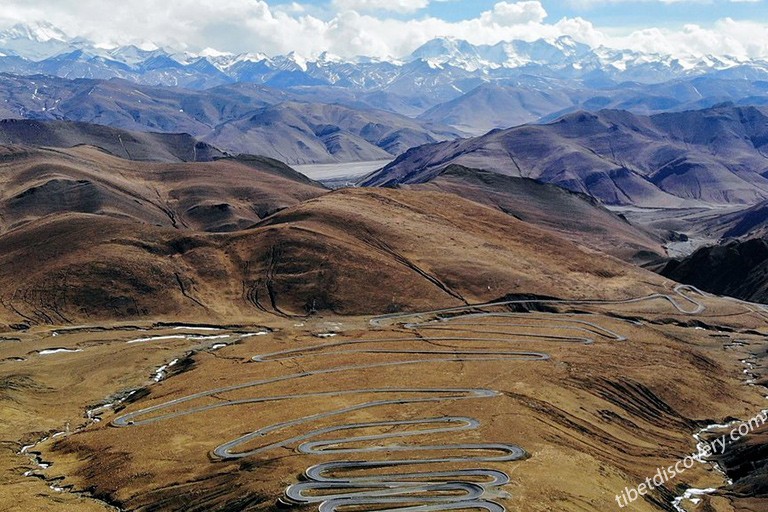
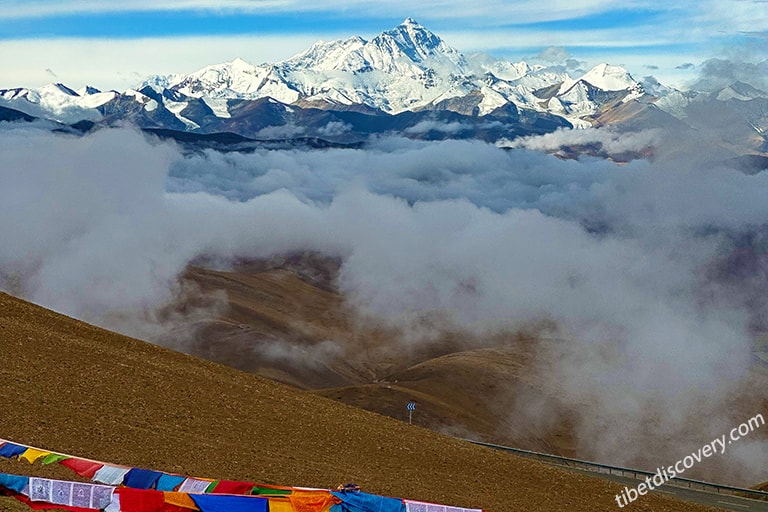
Along the way, nature reveals its grandeur in stages: the dramatic “108 Bends,” where the road coils down the mountainside like a ribbon in the sky; panoramic Gawula Pass where multiple peaks over 8,000 meters rise in silent majesty; and finally, the approach to Everest Base Camp - where the mountain no longer feels distant, but profoundly present.
Comfort at 5,200m: A New Kind of Base Camp
Just 1,000 meters from Everest’s iconic marker stands the newly upgraded Everest Base Camp (Tibet Side) - a place where the rawness of the highlands meets carefully designed comfort.
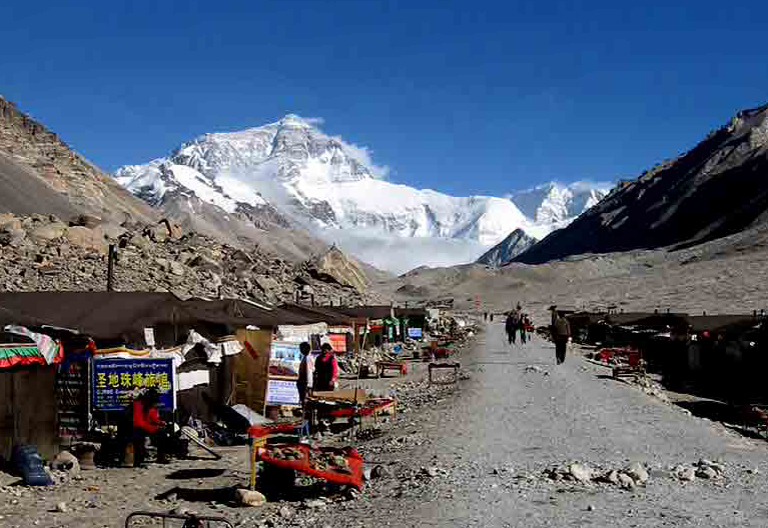
From the outside, the tents echo traditional Tibetan forms, blending seamlessly into the landscape. Inside, however, they tell a different story. Running water, stable electricity, heating, and built-in oxygen systems redefine what it means to stay at high altitude. Thoughtful details - thermal insulation, varied room types, and essential amenities - ensure that comfort is no longer a luxury, but a standard.
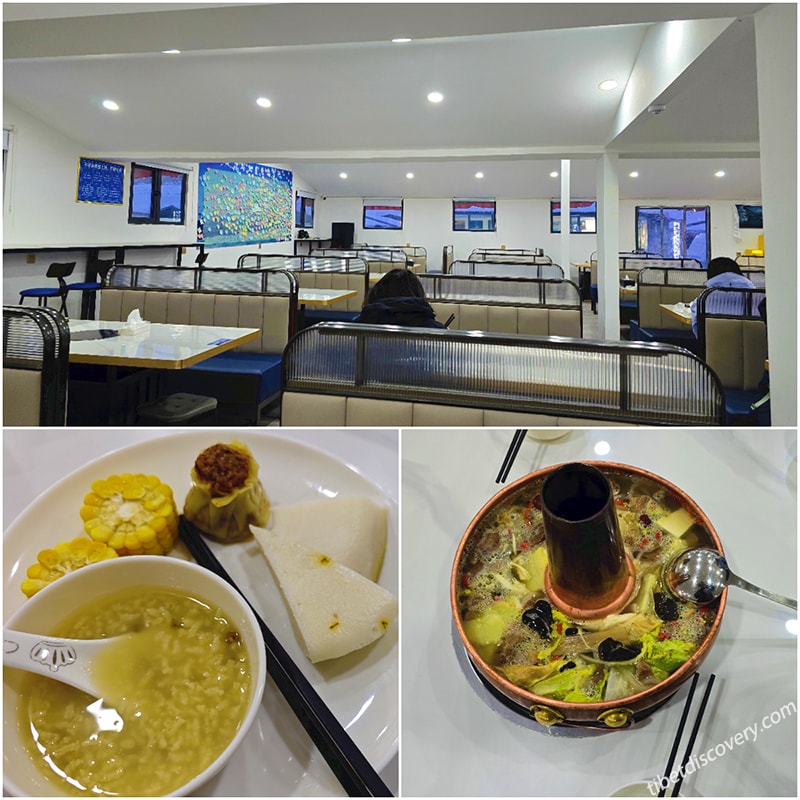
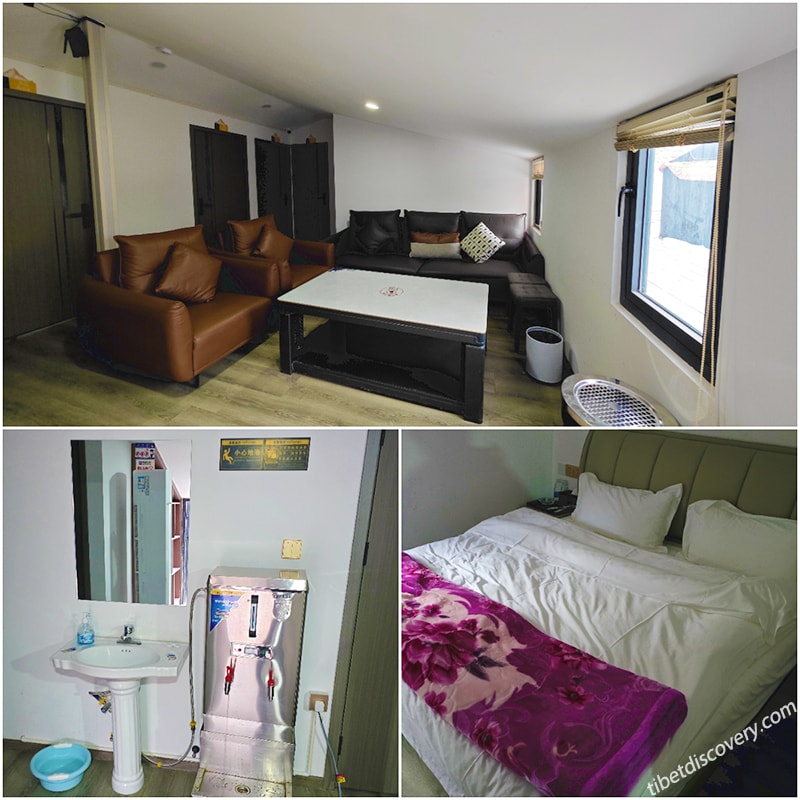
The camp itself functions as a self-contained ecosystem. A reception center doubles as a cultural space, while restaurants, tea houses, and small shops create a sense of community at the edge of the world. Even at this altitude, daily life finds its rhythm.
What truly distinguishes this experience is not just comfort, but care. Medical support, oxygen services, and safety infrastructure are seamlessly integrated, allowing travelers to focus not on survival, but on connection - with the mountain, the culture, and the moment itself.
Tradition & Transformation: The Evolution of Everest Town
Along the journey, Tashi Dzong Town - now evolving into Everest Town - offers a glimpse into the future of highland travel.
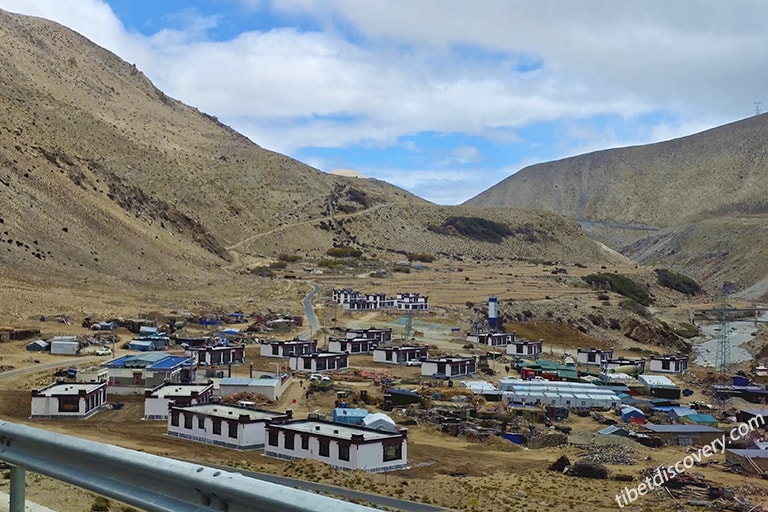
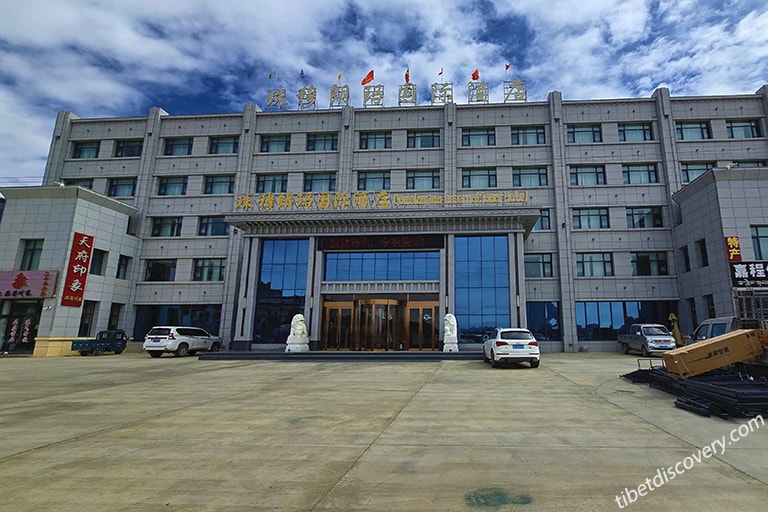
Here, two worlds exist side by side. On one side of the main street, traditional Tibetan homes and village life continue as they have for generations. On the other, modern infrastructure rises: visitor centers, cultural spaces, hotels, and mountaineering facilities designed to support a growing global audience.
This balance is intentional. Everest Town is not simply a stopover - it is a bridge. A place where travelers can experience both the authenticity of Tibetan daily life and the convenience of contemporary travel.
With new investments in healthcare, energy, and tourism services, the town reflects a broader transformation - one that elevates the entire Everest region without erasing its identity.
Where People and Nature Meet: Tourism and Protection at Everest
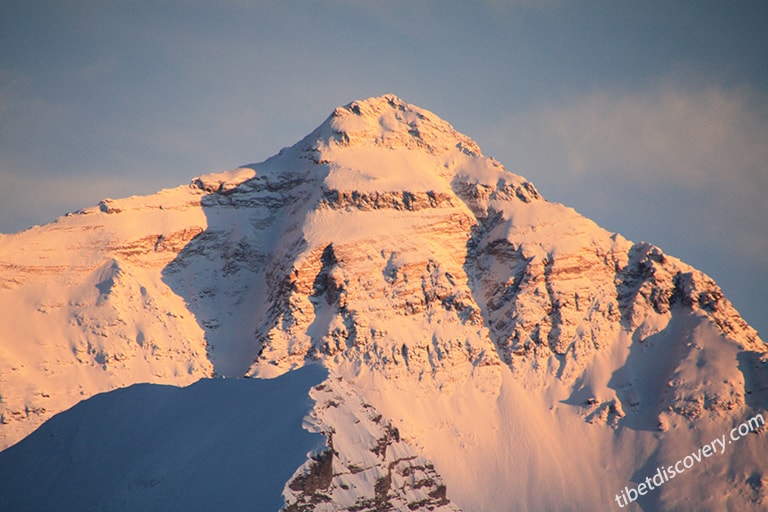
Mount Everest is a sanctuary in the hearts of travelers from all over the world. As tourism grows, the key challenge is finding a balance between welcoming visitors and protecting this fragile environment.
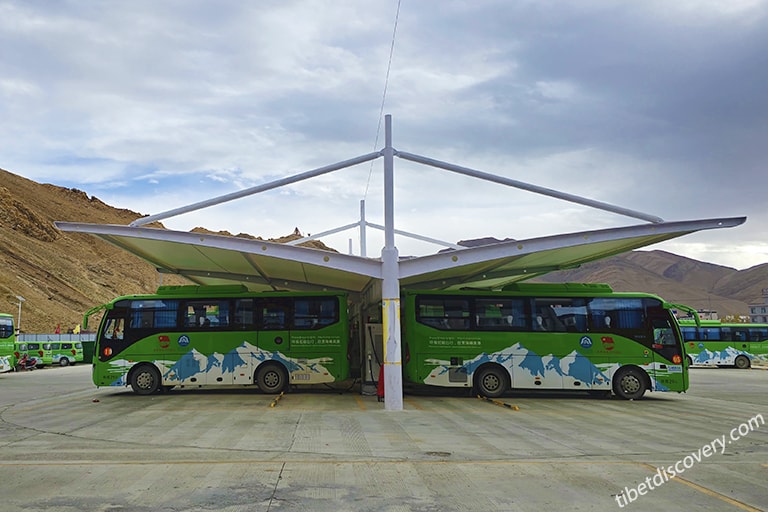
Since 2019, an important change has been made. The base camp on the Tibet side has been moved away from the mountain’s core protected area to a site near Rongbuk Monastery. This has reduced human impact and helped preserve Everest’s natural state. Travel to Everest has also become more sustainable. Clean-energy shuttle buses have replaced many fuel-powered vehicles, cutting emissions and reducing waste. At the same time, they make it easier to manage visitor flow and handle garbage responsibly.
Environmental protection is also built into the entire journey. Recycling and waste stations are carefully planned with waste collection, sewage treatment, and transport systems working together to keep the area clean. Staff and facilities are in place to ensure waste is properly managed, even in harsh conditions. Because of the extreme cold, traditional toilets are not practical. Instead, dry eco-toilets and biodegradable solutions are used, designed specifically for high-altitude environments. These systems help limit the impact of tourism on the ecosystem.
However, protecting Everest is not only about systems and infrastructure. It also depends on every visitor. Each person should play a role in preserving this unique place. Only through respect for nature can its beauty continue to endure.
Experiencing Everest Differently: A New Era of Travel
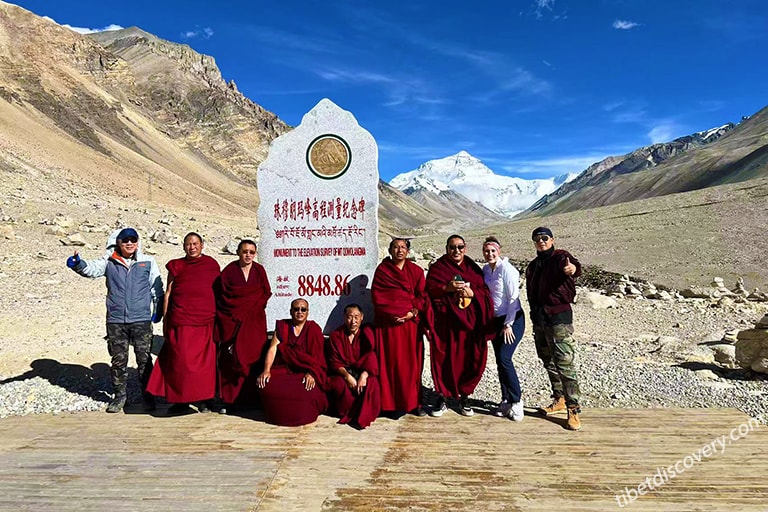
The transformation of Everest travel is not just about better roads or more comfortable tents. It represents a deeper shift in how this extraordinary place is experienced.
Everest remains what it has always been: a symbol of wonder, resilience, and the sublime power of nature. The difference now is in how we meet it.
Where once the journey demanded sacrifice, it now invites presence. Where once the focus was endurance, it is now connection. Travelers can immerse themselves in the landscape, engage with Tibetan culture, and carry away not just photographs, but a sense of meaning.
In this new era of travel, comfort and authenticity no longer stand in opposition. They exist together, shaping a journey that is as enriching as it is unforgettable.
Make Your Everest Journey Matter
Mount Everest does not change - it stands eternal, whether witnessed or not. But the way you experience it - and the impact of your journey - depends on the choices you make.
Travel to Mount Everest together with Tibet Discovery, with over ten years of experience, focusing on customizable Tibet tours. From the smooth ascent along modern highways to the serene and comfortable Base Camp under the starry sky, every detail of the journey has been carefully redesigned. Beyond Tibet, we also provide tailor-made tours to many other destinations across China, such as Beijing, Xian, Shanghai, Guilin, Zhangjiajie, and more. We look forward to welcoming you and helping you discover the beauty Tibet as well as other destinations in China with confidence and ease.
Plan Your Everest Expedition NowRecommended Mount Everest Tours 2026
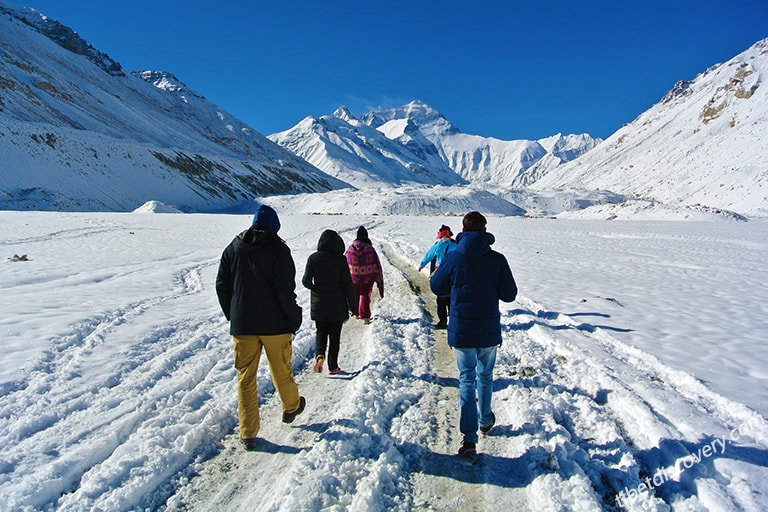
7 Days Once-in-a-lifetime Private Tour from Lhasa to Mount Everest
Embark on a 7-day private journey from Lhasa to Mount Everest, combining Tibetan culture with breathtaking Himalayan scenery. This once-in-a-lifetime trip takes you through sacred cities, turquoise lakes, historic monasteries, and spectacular mountain landscapes.

8 Days Lhasa to Mount Everest Private Tour with Base Camp Experience
Tibet tour wouldn't be complete without a visit to Mount Everest. This 8 Days Lhasa to Mount Everest Private Tour offers you a complete Tibet tour and weaves together Tibet's most classic sights into a package.
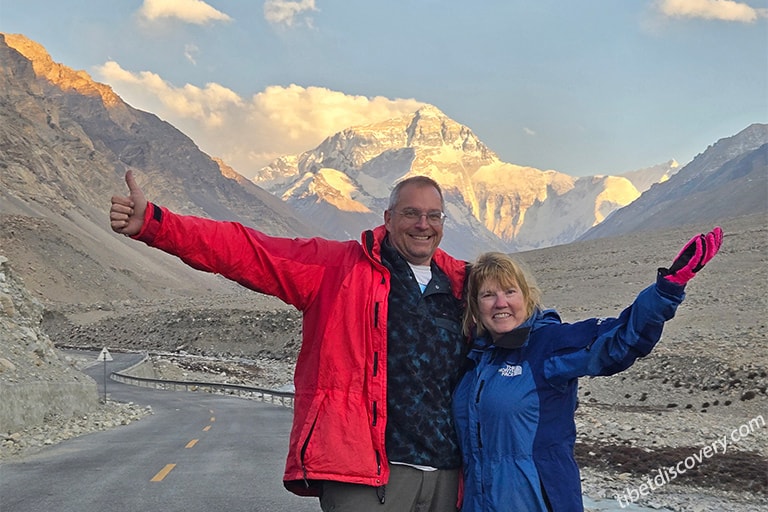
8 Days Tibet Mount Everest Memorable Tour with Flight to Kathmandu
This meticulously crafted 8-day itinerary takes you from Lhasa, the spiritual capital, to the serene shores of Lake Yamdrok, and culminates at the awe-inspiring base camp of Mount Everest, the world’s highest peak.
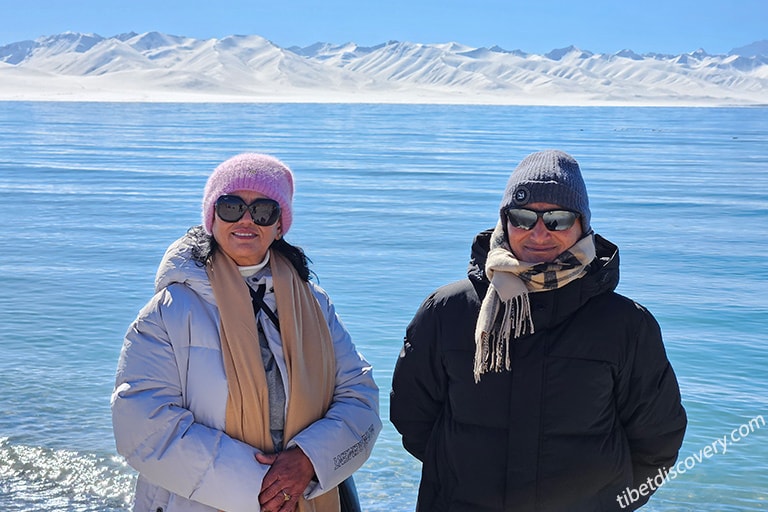
9 Days In-depth Tibet Discovery Private Tour plus Everest and Namtso Expedition
This 9 Days In-depth Tibet Discovery Private Tour will take you follow popular destinations from Lhasa to Gyantse, Shigatse, Mount Everest and Namtso Lake. All must-see places for first-timers with once-in-a-lifetime experience.

10 Days Private Chengdu Tibet Mount Everest Immersive Overland Tour
Start in Chengdu, ascend to Tibet. Designed for travelers seeking both the easygoing charm and the profound depth, this 10-day journey seamlessly blends an essence exploration of Chengdu with an epic Tibetan overland adventure, driving from Lhasa through Yamdrok Lake, Gyantse, and Shigatse to Mount Everest, before completing the loop back to Lhasa.

16 Days Private Qinghai Tibet Train Tour with Nyingchi and Mount Everest from Chengdu
This thoughtfully designed private tour combines the serenity of Tibet’s sacred landmarks with the experience of the Qinghai-Tibet Railway, providing an unforgettable adventure for those seeking both cultural immersion and natural beauty.
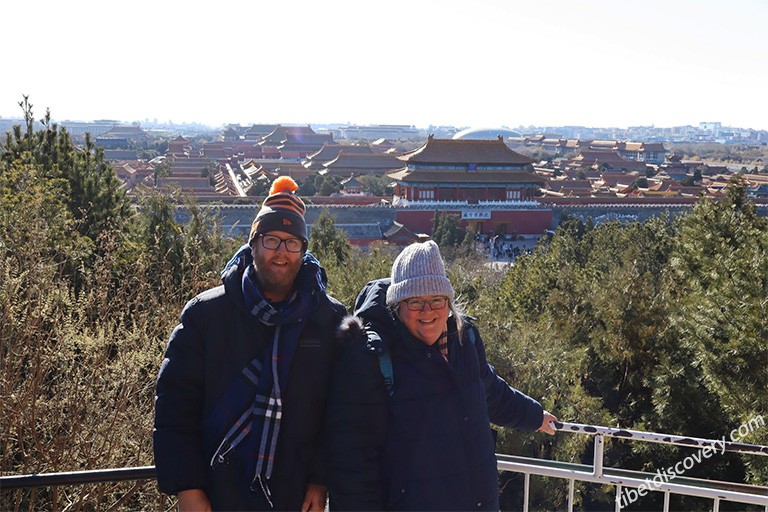
18 Days Private China Majestic Tour with Everest Expedition from Beijing
This meticulously crafted tour offers a seamless blend of rich culture, breathtaking landscapes, and spiritual heritage, with the added thrill of standing at the foot of the world’s highest peak.
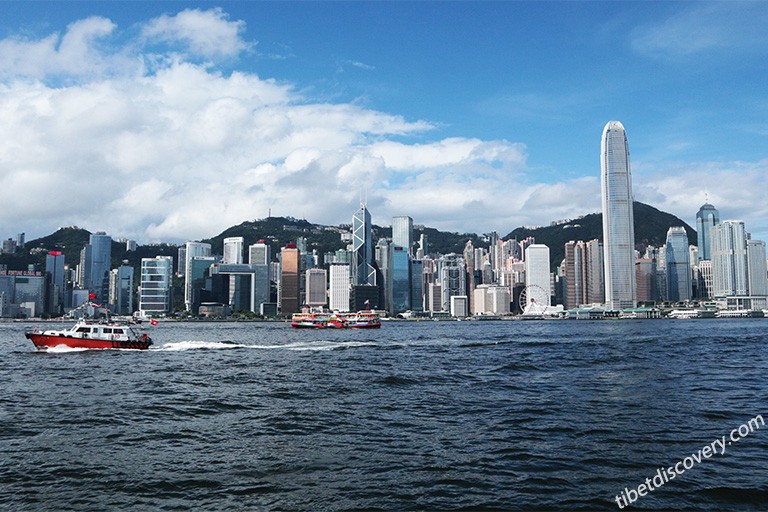
23 Days Private Extraordinary China Tour from Hong Kong with Holy Tibet
This 23-day tour takes you through Hong Kong, Guilin, Zhangjiajie, Chengdu, Lhasa, Gyantse, Shigatse, Mount Everest, Xi'an, and Beijing, showcasing China's extraordinary natural scenery, profound cultural experiences, and the unmissable highlight of the world's highest peak.
Essential Travel Guide: Planning Your Everest Visit
April-May and Sept-Oct are the golden windows. Expect daytime temps of 10-15°C and night drops to -10°C. Pack layered clothing, a heavy down jacket, and high-SPF sunscreen for the intense high-altitude sun.
Requires a Chinese Visa, Tibet Travel Permit, Alien's Travel Permit, and Frontier Pass. Apply through a registered agency at least 20 days in advance to ensure processing.
Classic 8-day Lhasa-EBC loops are most popular. Crucially, spend 3 days in Lhasa (3,650m) to acclimate before ascending to the 5,200m Base Camp to prevent altitude sickness.
Travelers typically arrive in Lhasa first, then follow the classic route via Yamdrok Lake, Gyantse, and Shigatse to reach Everest. A mandatory eco-bus transfer is required for the final stretch to EBC.
Related Tibet Insights: More Travel Articles
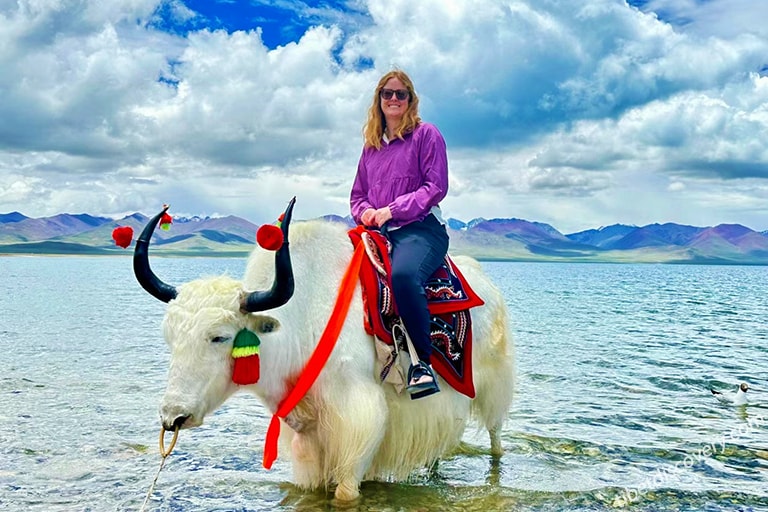
Top 10 Things to Do in Tibet: Top Tibet Tourist Attractions
Beyond Everest, discover the spiritual heart of the plateau.
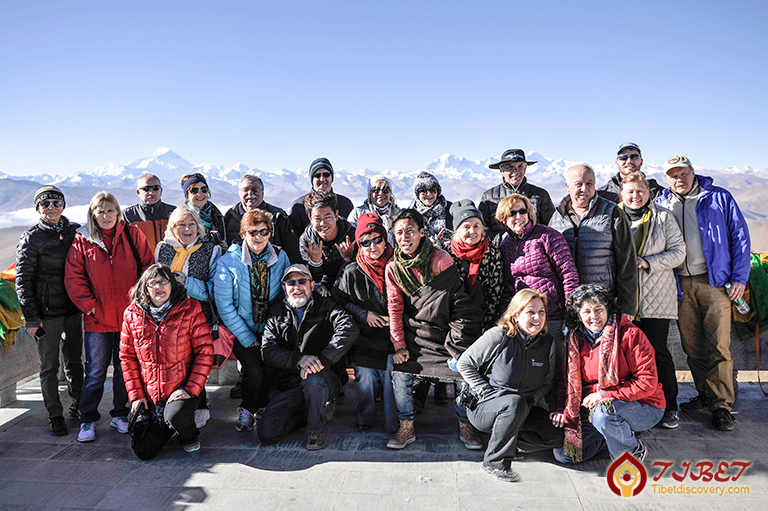
Tibet Travel Permit: A Complete Guide
Everything you need to know about the mandatory permits.
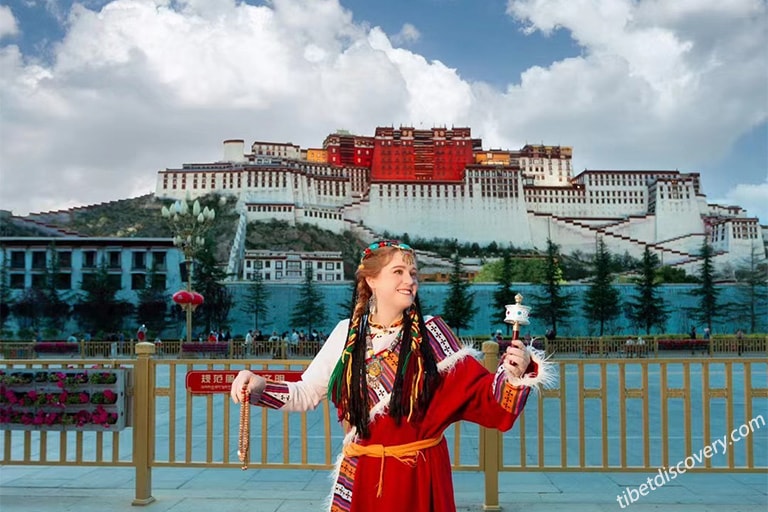
Lhasa Travel Guide: The Heart of Tibet
Explore the Potala Palace and the sacred Jokhang Temple.

 Karen
Karen Wonder
 Jack
Jack Rita
Rita Johnson
 Vivien
 Wing
Wing Ariel
Ariel Leo
Leo Tracy
Tracy Evelyn
 April
April Phoebe
 Kelly
Kelly Shirley
 Reya
Reya Juliet
 Elk
Elk Samantha
 Felix
Felix Sean
Sean