


 Beijing + Tibet Tours
 Chengdu + Tibet Tours
 Shanghai + Tibet Tours
 Xining + Tibet Tours


Top Things to Do in Lhasa - the Checklist for a No-Regrets Trip 2026
With celebrated titles like "the Pearl of the Plateau" and the "Holy City", Lhasa amazes visitors with spectacular high-altitude scenery, yet it is even more renowned for its unique fusion of Tibetan culture. Your trip to Lhasa will be diverse and memorable, as the city is brimming with fascinating experiences. You can gaze upon the majestic Potala Palace to feel its sacred grandeur, marvel at the turquoise waters and snow-capped peaks of Namtso Lake, shop for traditional Tibetan crafts along Barkhor Street, witness devout pilgrims circling the Jokhang Temple, admire the serene beauty of Tibetan-style gardens at Norbulingka, trace the millennia-old civilization of Tibet at the Tibet Museum, observe lively monastic debates at Sera Monastery...Numerous attractions will present Lhasa’s many faces and unusual charm. Here, we have carefully selected the Top Things to Do in Lhasa and more recommended experiences for you to choose from, to help you efficiently see, hear, feel, and taste the city. Feel free to contact us to plan your perfect Tibet journey!
Jump To:
No. 1: Marvel at the UNESCO-Listed Architectural Grandeur of the Potala Palace
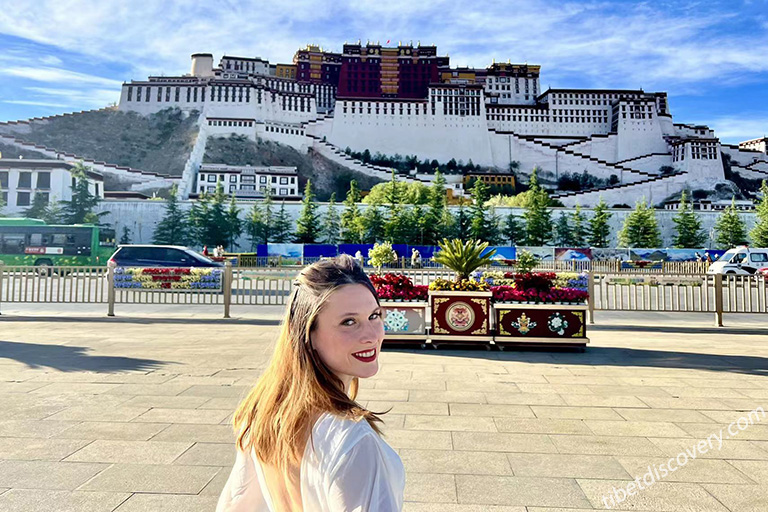
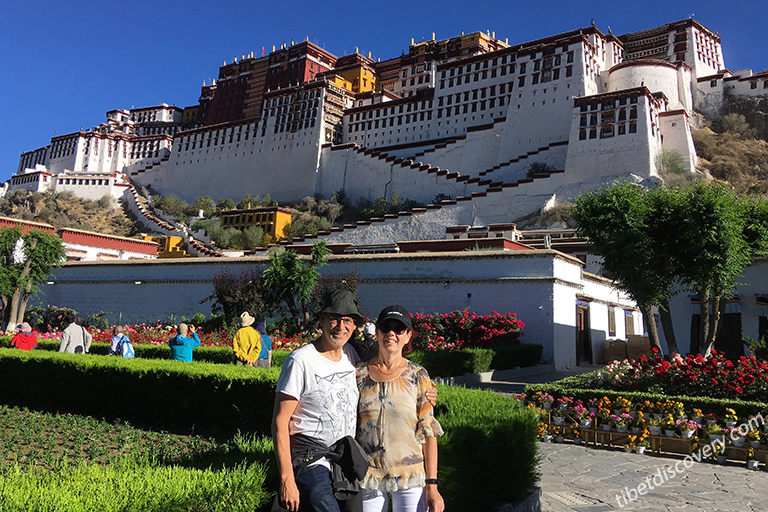 Our Guests visited the Potala Palace
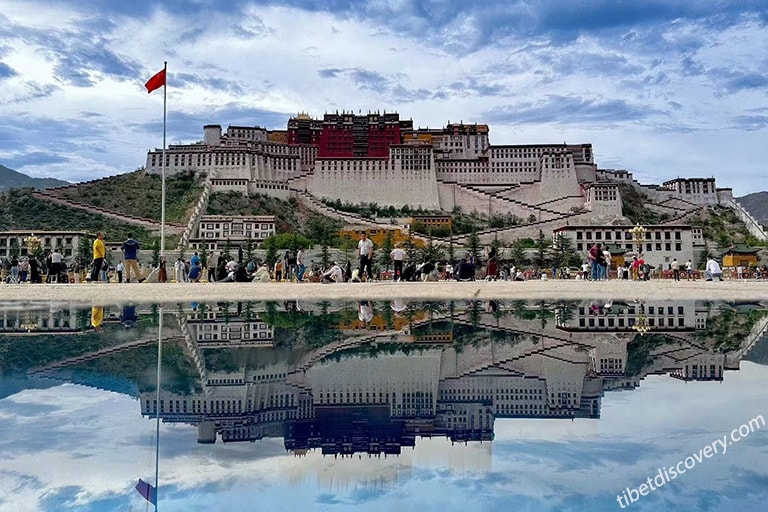 The Reflection Photo of the Potala Palace
• Type: World Heritage Sites, Architecture, Religious Sites
• Altitude: 3,700 meters
• Tickets: 100/200 CNY per person (vary based on low/peak season and the specific tour route)
• Recommended Visiting Time: 2~3.5 Hours
No trip to Lhasa is complete without a visit to the iconic Potala Palace. This monumental fortress-palace, once the winter residence, dominates the city's skyline from its perch atop Red Hill. As a UNESCO World Heritage Site and the spiritual heart of Tibet, it is an absolute must-see. Its structure, soaring 115.7 meters in height, features towering whitewashed walls (symbolizing peace and governance) and deep crimson central sections (representing spiritual power). The palace unfolds across three key areas: the Snow City, the White Palace, and the Red Palace. Visitors will encounter countless exquisite murals, thangkas, and golden statues within chapels and meditation halls.
Just across the main road from the palace lies the vast Potala Palace Square, offering the most iconic frontal view of the entire complex. This is the perfect spot to capture the palace’s magnificent grandeur. For a creative photo, look for the six specially installed mirror panels on the square. They allow you to photograph stunning mirror-image shots of the palace against the sky. As night falls, the square transforms with atmospheric lighting, presenting a beautifully illuminated Potala Palace that is equally breathtaking and not to be missed.
No. 2: Admire the Azure Vastness of Tibet's Sky Mirror Namtso Lake
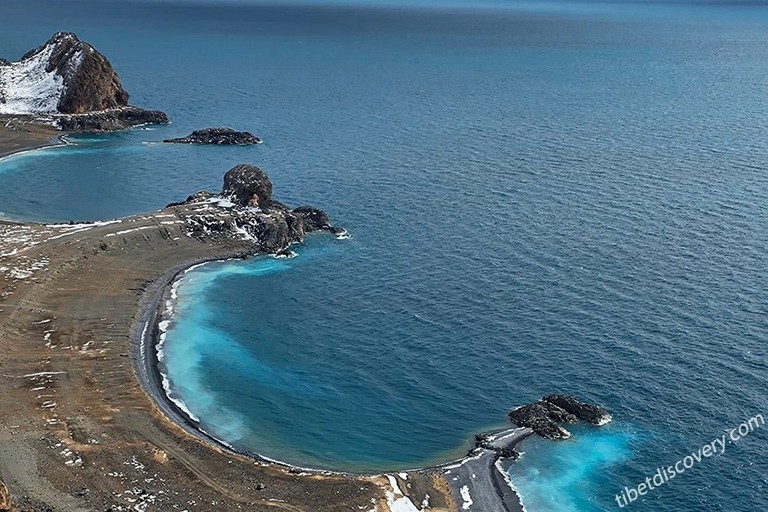 Shengxiang Tianmen (Holy Elephant Gate) of Namtso Lake
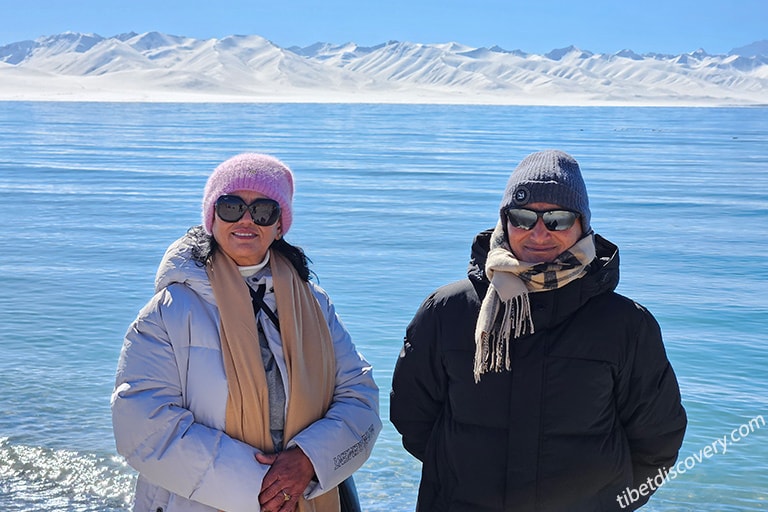
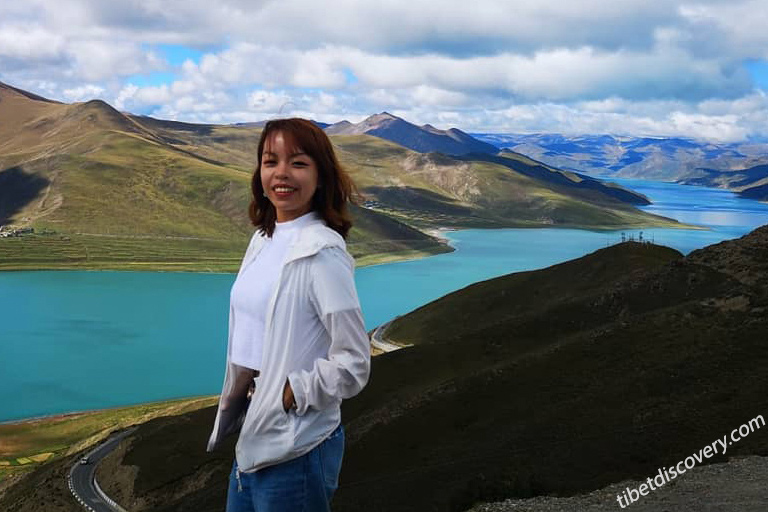
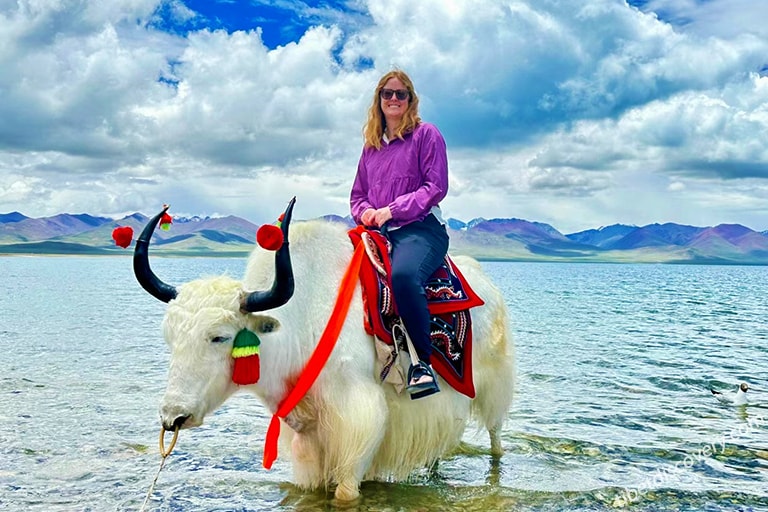 Our Guest visited Namtso Lake in Summer Time
• Type: Holy Lakes, Religious Sites
• Altitude: 4,718 meters
• Tickets: 60/120 CNY per person (vary based on low/peak season)
• Recommended Visiting Time: 1 Day
Namtso Lake, meaning "Heavenly Lake" in Tibetan, is one of the three most holy lakes of Tibet. Perched at an altitude of 4,718 meters, its vast turquoise waters stretch to the horizon like a mirror of the sky, framed by the majestic snow-capped peaks of the Nyenchen Tanglha Mountains. The landscape balances immensity with intimacy, leaving visitors feeling both humbled and deeply peaceful. Here, you can ride Tibetan horses along the shore, photograph yaks against the dramatic backdrop, and observe pilgrims' mani stone piles while brown-headed gulls soar overhead. A walk along the lakeshore, accompanied by the gentle sound of waves, offers a simple and profound moment of connection with nature.
No. 3: Worship Before the 12-Year-Old Statue of Shakyamuni at Jokhang Temple
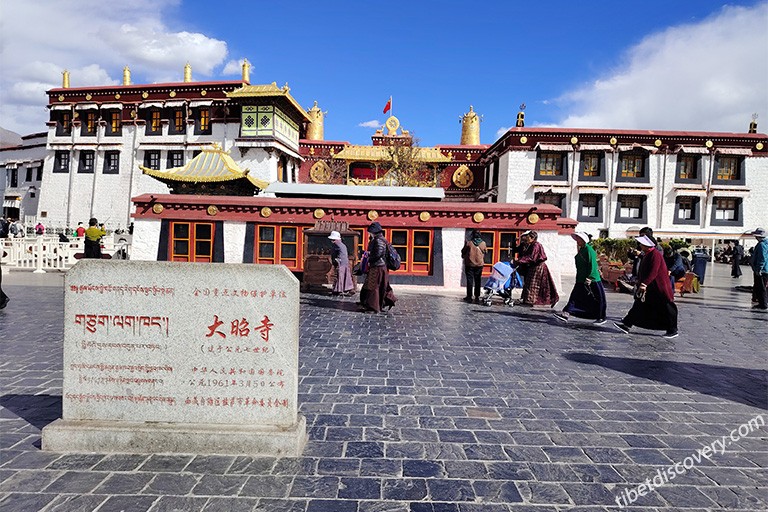 Walking Clockwise around the Jokhang Temple
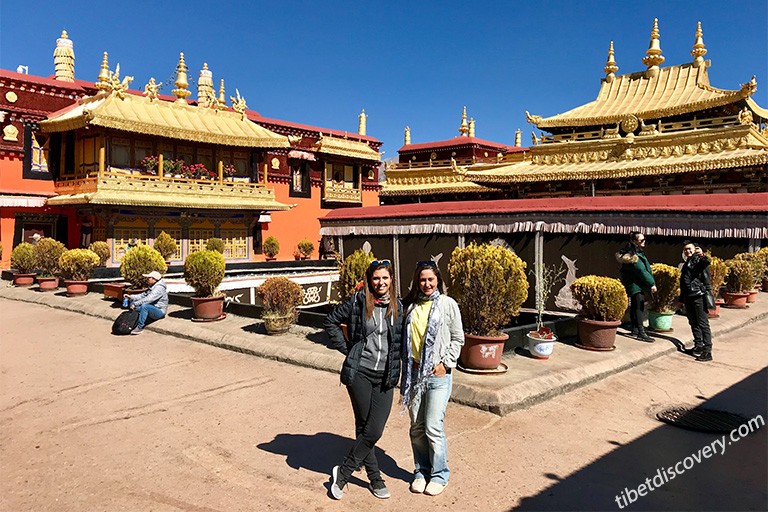 Our guests Julie's group visited Jokhang Temple
• Type: World Heritage Sites, Religious Temples, Historical Architecture
• Altitude: 3,650 meters
• Tickets: 85 CNY per person
• Recommended Visiting Time: 1~2 Hours
If you visit only one temple in Tibet, let it be the Jokhang Temple. While not counted among Lhasa's "Three Great Monasteries", Jokhang Temple is revered as the spiritual heart of Tibetan Buddhism and one of the most sacred sites in Lhasa. Built in the 7th century and designated a UNESCO World Heritage Site in 2000, its central treasure is the Jowo Rinpoche, a life-sized statue of Shakyamuni Buddha at age twelve, believed to have been crafted during his lifetime and later brought to Tibet. Pilgrims travel to prostrate before this icon, filling the air with murmured prayers and the scent of yak butter lamps. The surrounding Barkhor Street forms a living circuit of devotion, where faith flows endlessly around the temple walls. A visit here offers not just sightseeing, but a direct encounter with religious part of Tibet.
No. 4: Walk the Ancient Pilgrim Path Along the Barkhor Street
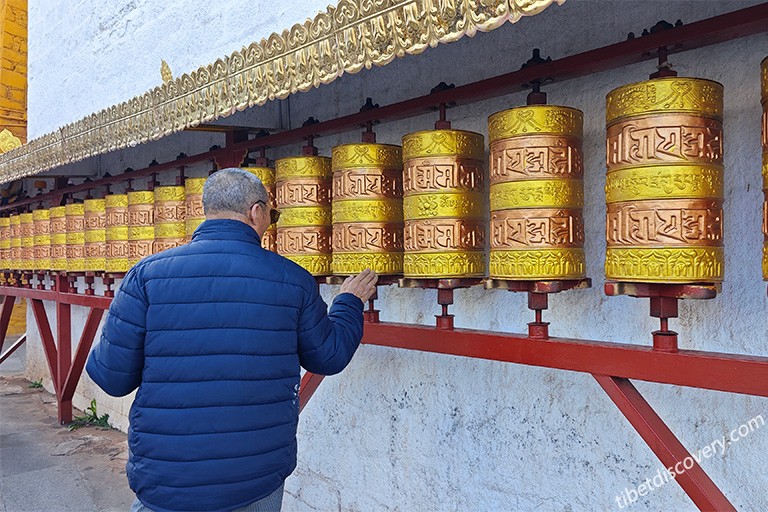 Turning the Prayer Wheel at Barkhor Street
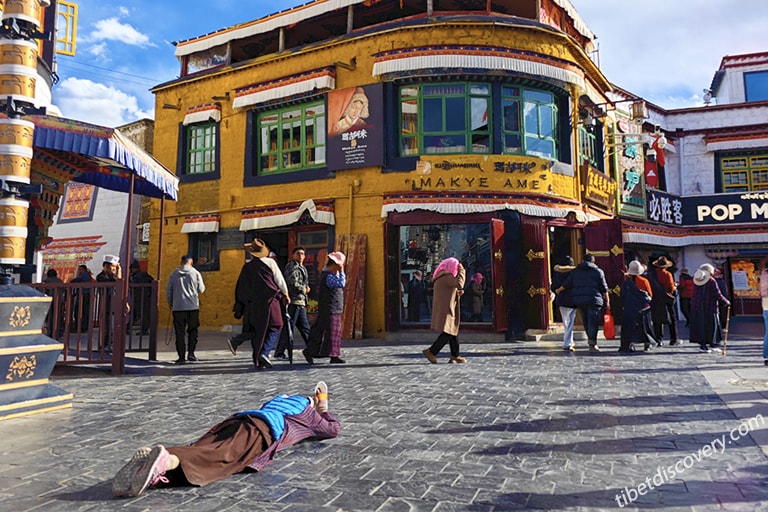 The Bustling Barkhor Street with Devout Pilgrim
• Type: Religious Sites, Shopping Streets
• Altitude: 3,650 meters
• Tickets: Free
• Recommended Visiting Time: 1~2 Hours
Barkhor Street located in Lhasa downtown is a famous thousand-year-old circumambulation for pilgrims and popular commercial center. As a public square around Jokhang Temple, it is a polygon, connected by different streets and laneways, with a total length of over 1,000 meters. Being "a saint road" in the eyes of Tibetans, you can feel the local spiritual belief by seeing different pilgrims from all over Tibet with different dresses and dialects to pray devoutly along Barkhor Street. There is an eyeful of fantastic stores and shops along the street to display the most characteristic items and commodities, including thangkas, prayer wheels, prayer flags, Tibetan-style clothing, milk tea, and more. Barkhor Street is such a great place to buy some souvenirs and soak up the local Tibetan lifestyle.

No. 5: Immerse in the Lively Buddhist Debates at Sera Monastery
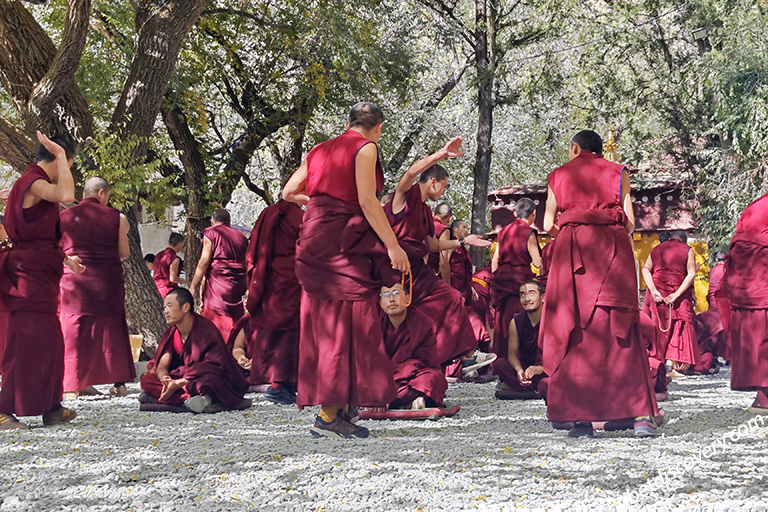 Lively Buddhist Debates at Sera Monastery
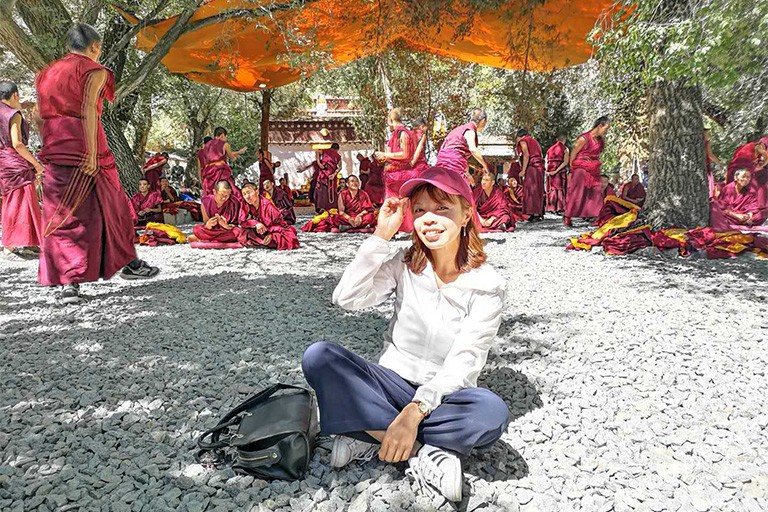 Our guests - Chona visited Sera Monastery
• Type: Religious Sites, Architectural Buildings
• Altitude: 3,700 meters
• Tickets: 50 CNY per person
• Buddhist Debating Time: 15:00~17:00 (except Sundays and some special festivals)
• Recommended Visiting Time: 2~3 Hours
Nestled at the foot of a mountain on the northern outskirts of Lhasa, Sera Monastery is not just one of Tibet's "Great Three Monasteries", but also a living, breathing university of Buddhist philosophy. Founded in 1419, its name is said to derive from the wild roses ("Sera" meaning "Wild Rose Garden" in Tibetan) that once covered the hillside. While its majestic white-walled halls and golden roofs house priceless treasures, including exquisite statues, ancient scriptures, and vibrant wall frescoes, Sera Monastery's true heartbeat is found in its famed Buddhist Debates. The debates unfold daily (except Sundays and some special festivals) between 15:00 and 17:00 at the dabating courtyard. This is when hundreds of red-robed monks gather for lively dialectical debates, a centuries-old method for sharpening understanding, defending logical positions, and attaining deeper enlightenment.
No. 6: Learn Tibetan Culture, History, and Art in Tibet Museum
 Double-bodied Pottery Jar
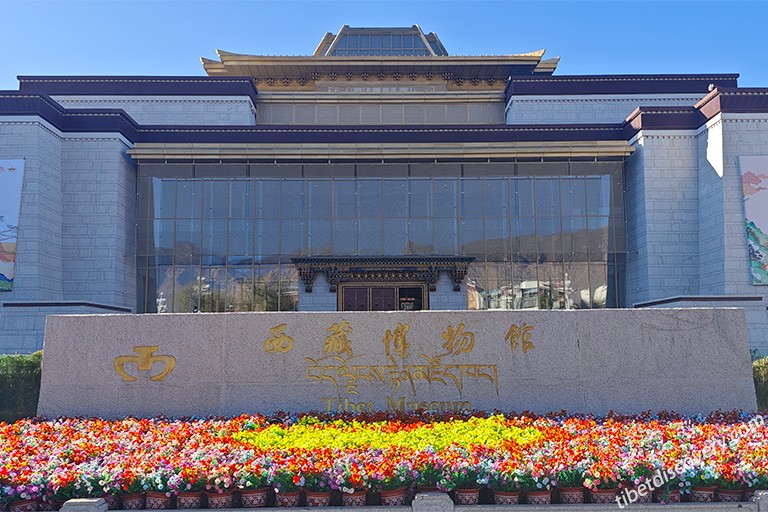 Tibet Museum
• Type: Museums, Cultural Sites
• Altitude: 3,650 meters
• Tickets: Free
• Recommended Visiting Time: 2~3 Hours
Tibet Museum is the largest modern comprehensive museum in Tibet. Covering a total area of 65,000 square meters, its collection is extensive, comprising over 520,000 items (sets), including more than 40,000 pieces (sets) of precious cultural relics. The artifacts span prehistoric cultural remains, Buddhist statues, ancient books and documents, thangkas, and ethnic handicrafts. The Double-bodied Pottery Jar (unearthed from the Karuo site) is undoubtedly the star exhibit, hailed as the"treasure of the museum" and the inspiration for the Tibet Museum's logo. These exhibits systematically showcase Tibet’s history, culture, art, and folk traditions.
No. 7: Discover the Jewel of Tibetan Garden Art at Norbulingka
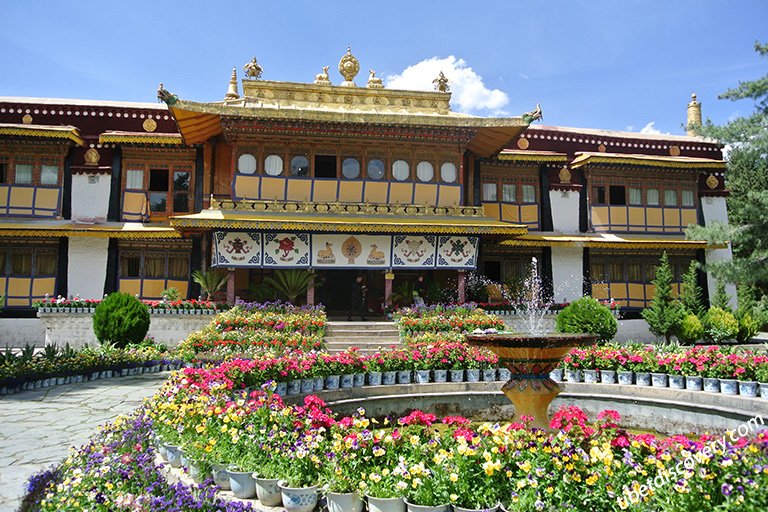 Takten Migyur Potrang at Norbulingka
 Kelsang Potrang at Norbulingka
• Type: Parks, Natural Sites, Architectural Buildings
• Altitude: 3,650 meters
• Tickets: 20 CNY per person
• Recommended Visiting Time: 2~3 Hours
Norbulingka, the largest man-made garden in Tibet, is known as the “Park of Treasures”. Once the summer palace and administrative hub, this UNESCO World Heritage Site masterfully blends serene landscapes with exquisite traditional architecture. Visitors are invited to wander through lush gardens, vibrant with flowers and shaded by ancient trees, all thoughtfully arranged in the classic Tibetan style. Here, ornate pavilions, tranquil prayer halls, and intricate murals await, each telling stories of Buddhist philosophy and chronicling Tibet’s rich history.
No. 8: Capture the Local Life at Zongjiao Lukang Park
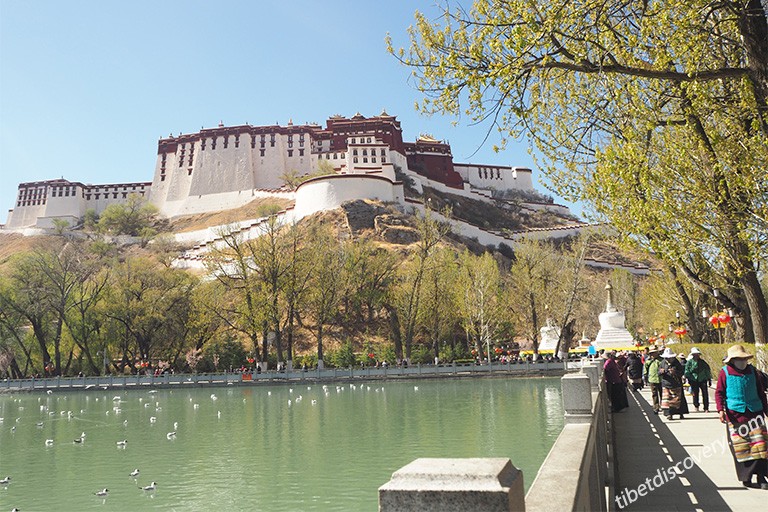 Locals stroll at Zongjiao Lukang Park
 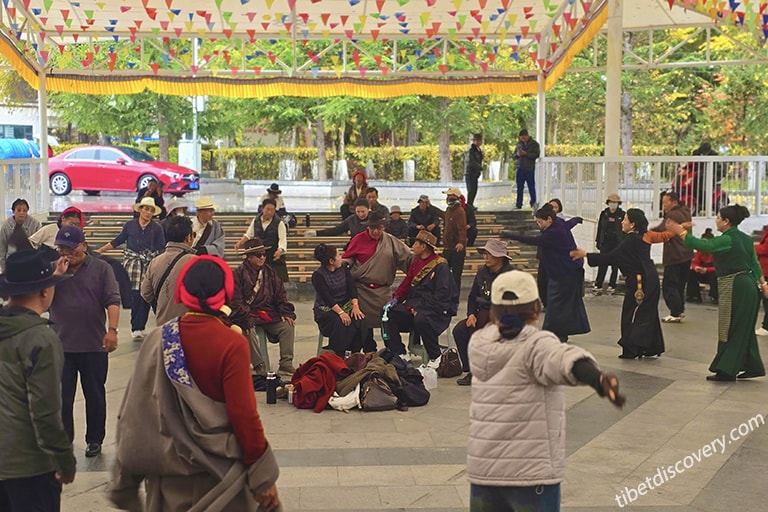 Local Tibetan people dance in Zongjiao Lukang Park
 • Type: Parks, Architecture, Lakes
• Altitude: 3,650 meters
• Tickets: Free
• Recommended Visiting Time: 1 Hour
Located on the north side of the Potala Palace, Zongjiao Lukang Park is much more than just a park. It is a vibrant window into everyday Tibetan life. Here, locals gather to stroll, picnic, and join in spirited Guozhuang dancing, while traditional Tibetan opera performances often animate the space during festivals such as the Shoton Festival.
At the heart of the park lies the Dragon King Pond, offering the iconic and classic viewpoint - the perfect reflection of the Potala Palace mirrored in its tranquil waters. Centered around this lake, the park beautifully blends traditional Tibetan architecture, such as prayer wheel corridors and pavilions, with a delicate high-altitude wetland ecosystem. Visitors can walk clockwise along the kora path for blessings, sketch the elegant flight of native birds like the black-necked crane, and immerse themselves in an atmosphere where nature and faith intertwine.
No. 9: Explore the Large Drepung Monastery Tiered Upon the Mountain
 Our Customers visited Drepung Monastery
 Monks in Drepung Monastery
• Type: Religious Sites, Architectural Buildings
• Altitude: 3,800 meters
• Tickets: 60 CNY per person
• Recommended Visiting Time: 2~3 Hours
Drepung Monastery, whose name means "Monastery of the Rice Heap", is nestled at the foothills of Mount Gephel. Once the world's largest Tibetan Buddhist monastery, it housed nearly ten thousand monks at its peak. It is not only a major academic center renowned for its rigorous study of Buddhist logic and dynamic debate traditions but also famous for the breathtaking annual Shoton Festival, during which a gigantic thangka is unveiled on the mountainside.
No. 10: Uncover the Legacy of Tsongkhapa at Ganden Monastery
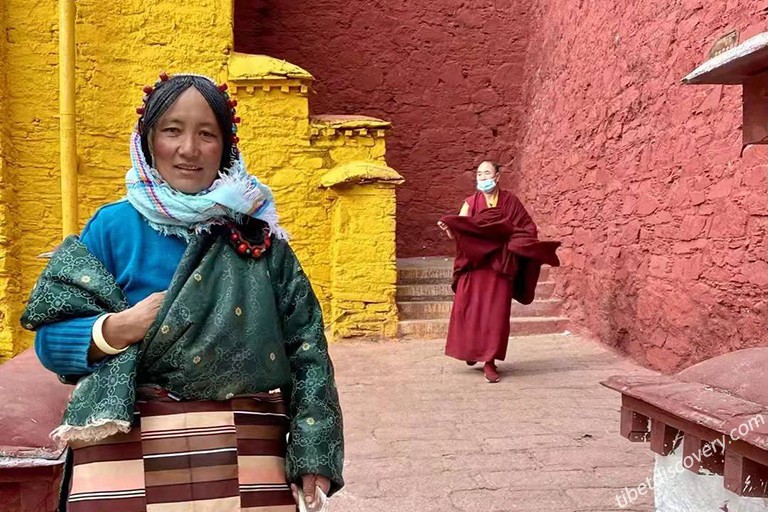 Local Tibetan with Ganden Monastery
 Seeing Ganden Monastery from Distance
• Type: Religious Sites, Architectural Buildings
• Altitude: 3,800 meters
• Tickets: 40 CNY per person
• Recommended Visiting Time: 2~3 Hours
Ganden Monastery, perched precariously on the summit of Wangbur Mountain, holds an unparalleled religious significance. It was personally founded in 1409 by Je Tsongkhapa, the founder of the Gelug school, making it the school's ancestral seat and spiritual wellspring. The monastery is known for its strict monastic discipline and emphasis on meditative practice. Although it suffered severe damage in the 20th century and has been largely rebuilt, it remains the paramount pilgrimage site for followers seeking to connect with the lineage of Je Tsongkhapa.
NO. 11: Venture to the Cliffside Sanctuary of Drak Yerpa Monastery
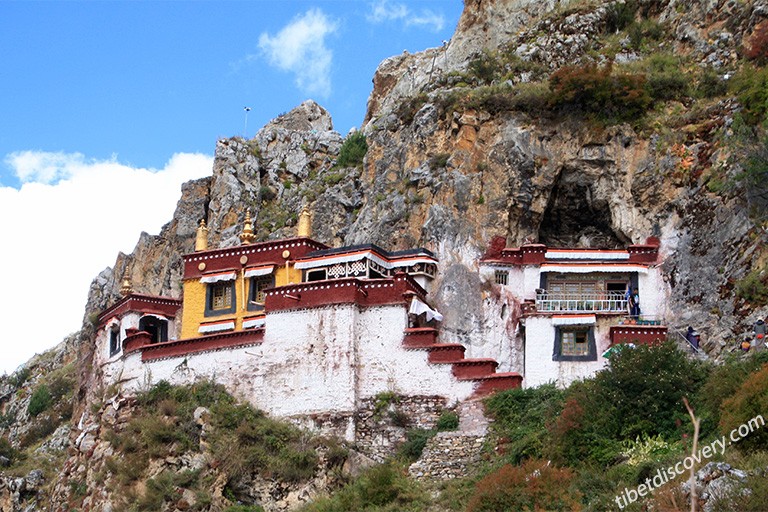 Drak Yerpa Monastery Perched On the Cliffside
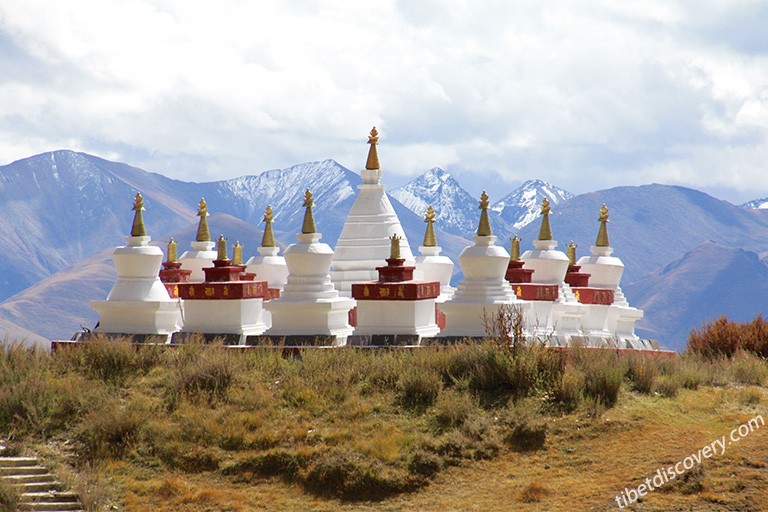 White Stupas of Drak Yerpa Monastery
• Type: Religious Sites, Architectural Buildings
• Altitude: 4,360 meters
• Tickets: 30 CNY per person
• Recommended Visiting Time: 2~3 Hours
Unlike typical Tibetan monasteries, Drak Yerpa Monastery is a stunning complex where architecture and nature merge. Its prayer halls, chapels, and monks' quarters are built into the rock face or cling precariously to the cliffside, connected by narrow pathways and carved stone steps. This unique "cave-temple" structure has earned it reverence as one of Tibet's most sacred retreats, often poetically called the "Tiger's Nest of Tibet". Founded in the 7th century, its history is intertwined with Tibet's most legendary figures. It is believed that Songtsen Gampo first established a meditation cave here for one of his consorts.
NO. 12: Feel the Grand Spectacle of Princess Wencheng Drama
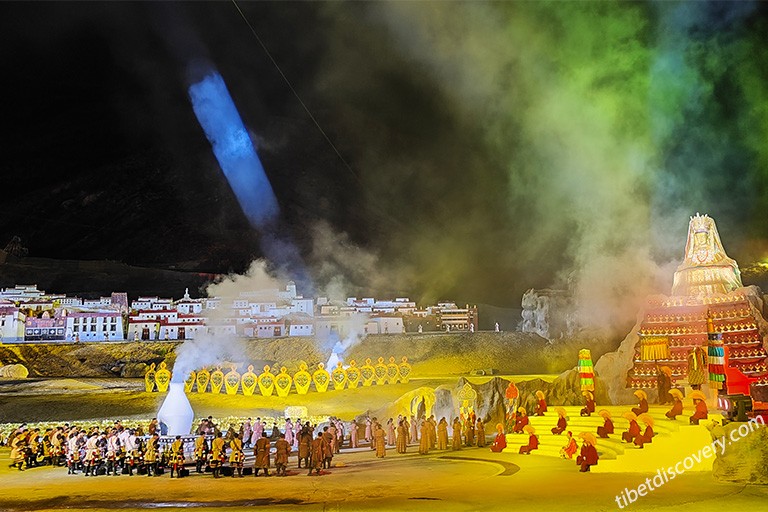 Princess Wencheng Drama
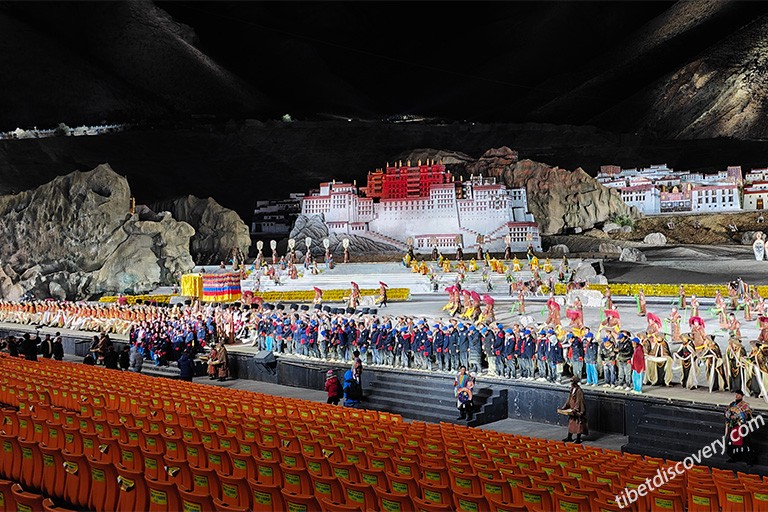 Curtain Call of Princess Wencheng Drama
•Performing Hours: 21:00~22:30 (Showtimes are for reference only and are subject to change due to seasonal variations and other factors)
•Tickets: 380/480/580/880/1280 CNY per person
Staged under Lhasa's starry sky, the Princess Wencheng Drama is a huge outdoor live-action performance. This 90-minute performance is based on the true historical epic of Princess Wencheng's journey to Tibet for a marriage alliance during the Tang Dynasty. Through five grand chapters - "Elegance of the Tang", "Sacred Sounds of Heaven and Earth", "Grandeur of Tibetan Dance", "Deities of the Plateau", and "The Union of Han and Tibetan", it artistically recreates her thousand-mile trek from bidding farewell to Chang'an to finally arriving in Lhasa. Set against the natural backdrop of mountains, the performance combines advanced stage technology with authentic Tibetan performing arts, including folk dance, opera, and chanting, involving nearly a thousand local performers and live animals.
NO. 13: Frame a Portrait in Traditional Tibetan Dress
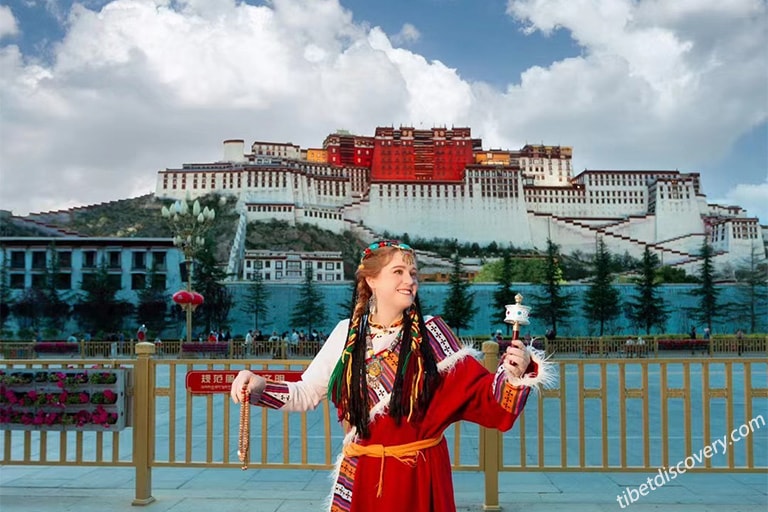
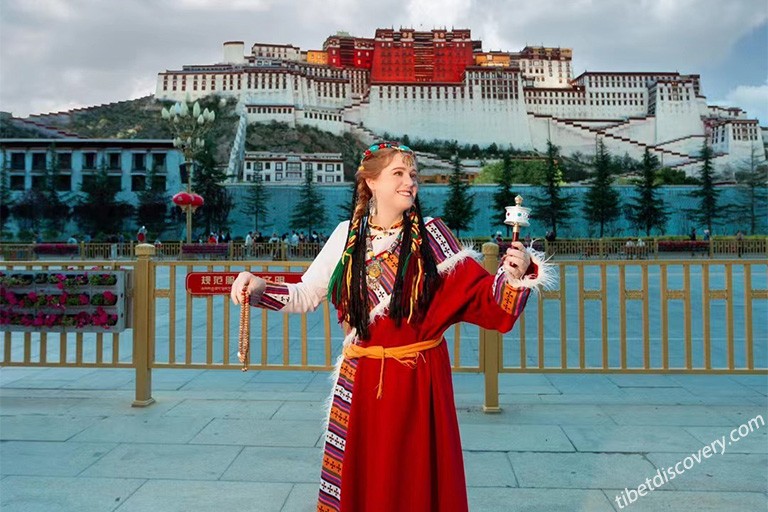 Our Guest - Megan dressed in Tibetan clothing at Potala Palace Square
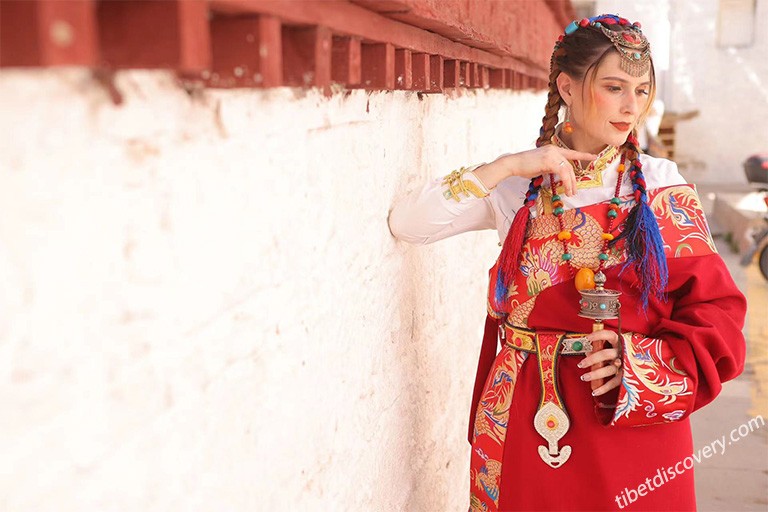 Our Guest - Neubert dressed in Tibetan clothing at Barkhor Street
For a truly immersive Lhasa experience, go beyond sightseeing by trying on a traditional Tibetan costume. As you explore the majestic Potala Palace, the spiritual heart of the Jokhang Temple, or the bustling alleys of Barkhor Street, you'll see locals in beautiful, colorful attire. This is your chance to not just observe, but to embody that heritage. Dressing in a detailed "quba" (Tibetan robe), often made of rich brocade and adorned with symbolic jewelry, allows you to connect deeply with Tibet's history and artistry. Against the breathtaking backdrops of whitewashed walls, golden roofs, and fluttering prayer flags, a photoshoot freezes these moments into timeless portraits.
NO. 14: Savor the Authentic Tibetan Food
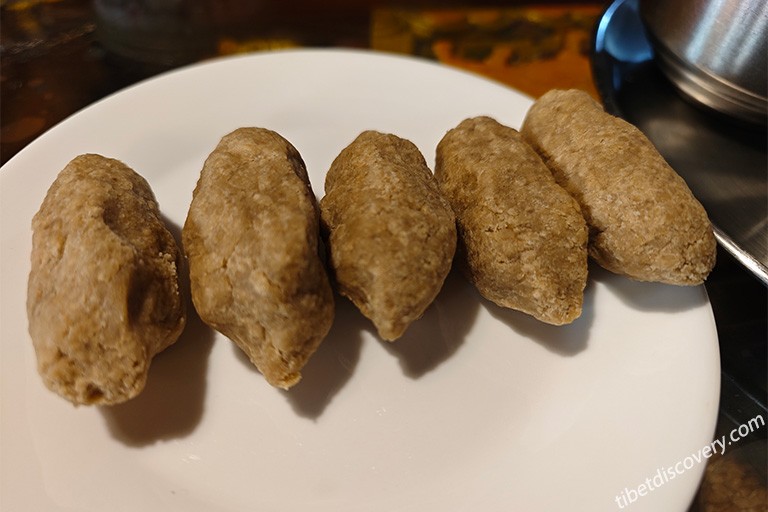 Hand-kneaded Tsampa
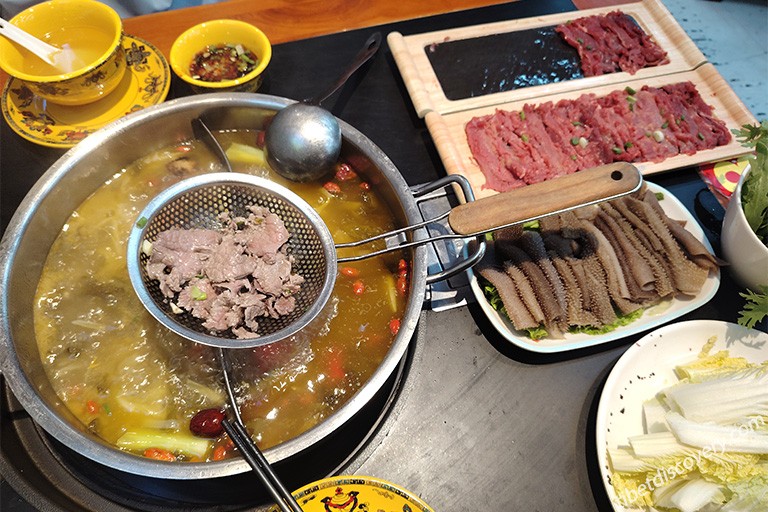 Yak Meat Hot Pot
“Bread is the staff of life”. When visiting Lhasa, one simply cannot miss the opportunity to experience Tibetan cuisine. Deeply influenced by the unique geography, climate, and religious culture of the Qinghai-Tibet Plateau, Tibetan food is characterized by its high protein and high fiber content, perfectly adapted to the demands of high-altitude living. The flavors are robust, savory, and hearty. These distinctive qualities are deeply rooted in its primary ingredients. The cornerstone is highland barley, a resilient grain ground into tsampa (roasted barley flour). Protein comes mainly from the versatile yak, providing meat, milk, and butter. To truly savor authentic flavors, it's recommended to start with classics like savory butter tea, hand-kneaded tsampa, Tibetan noodle, hearty yak meat stews, etc.
NO. 15: Dive into Lhasa's Lively Night Markets
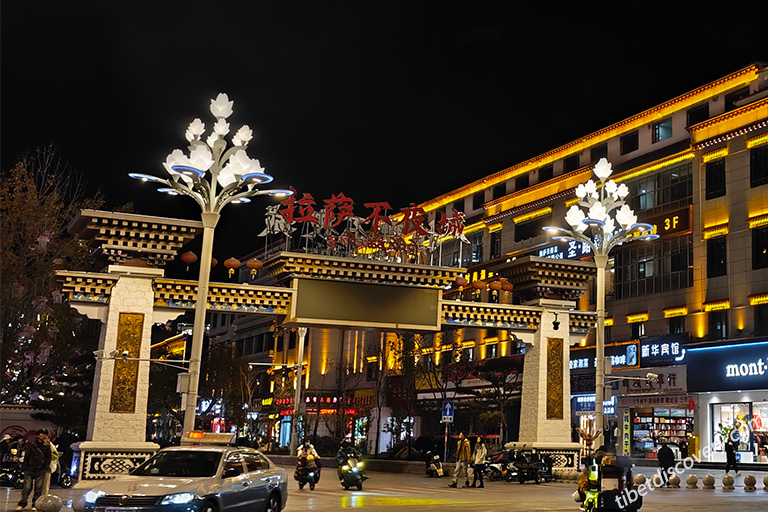 Lhasa Ever-bright City
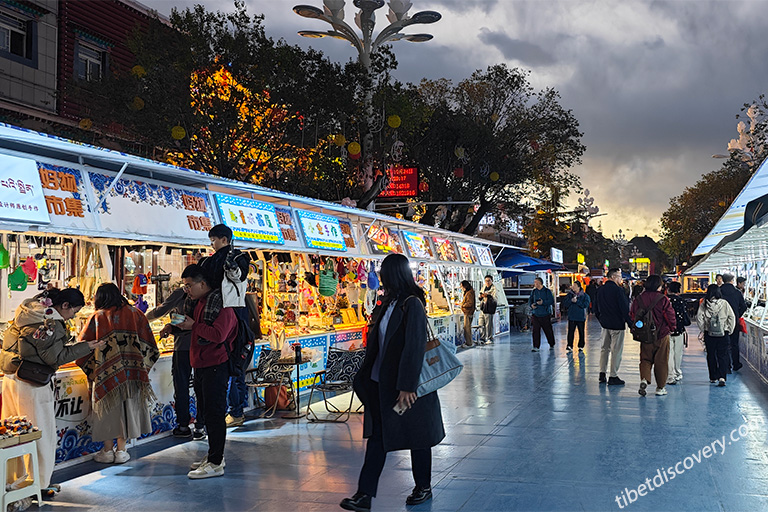 Various Stalls at Lhasa Ever-bright City
• Type: Shopping Streets, Night Markets
• Altitude: 3,650 meters
• Tickets: Free
• Recommended Visiting Time: 1~3 Hours
Although Lhasa's nightlife may not be as bustling as that of major cities in China, it offers a uniquely authentic charm. For the quintessential local experience, head to the Tianhai Night Market. As Lhasa's largest and oldest night market, it's a lively hub where you can savor authentic Tibetan street food like sizzling barbecue and hearty snacks amidst the buzz of daily life. With around 400 stalls, it's a favorite gathering spot for both residents and travelers seeking genuine local flavor. Among the newer developments, "Lhasa Ever-bright City" Yutuo Road Pedestrian Zone is an excellent choice. This beautifully developed corridor connects two of Tibet's most iconic landmarks - the majestic Potala Palace to the east and the sacred Jokhang Temple & Barkhor Street to the west. The area masterfully blends traditional Tibetan architecture with elegant nighttime lighting, creating a picturesque setting for a stroll. Here, you can enjoy Tibetan cuisine or dishes from across China, discover cultural shops, and sometimes stumble upon vibrant street performances.
NO. 16: Join a Hands-On Cooking Class to Craft Your Own Dish
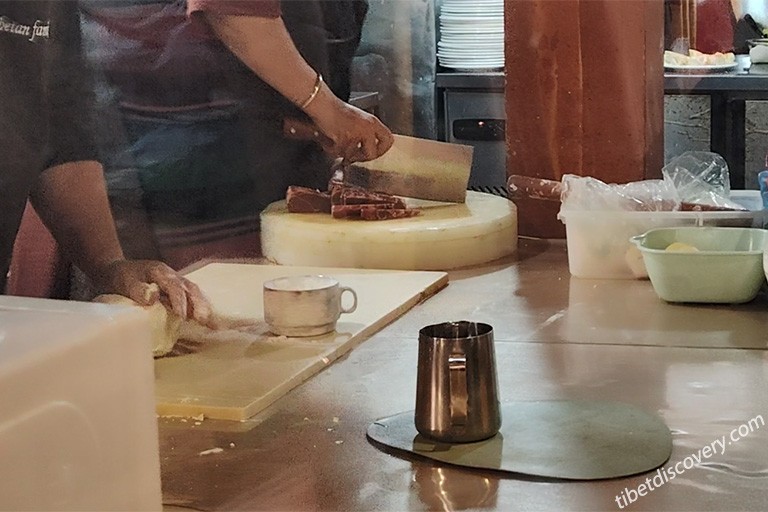 The guests are kneading dough and cutting meat
 Tibetan Family Kitchen
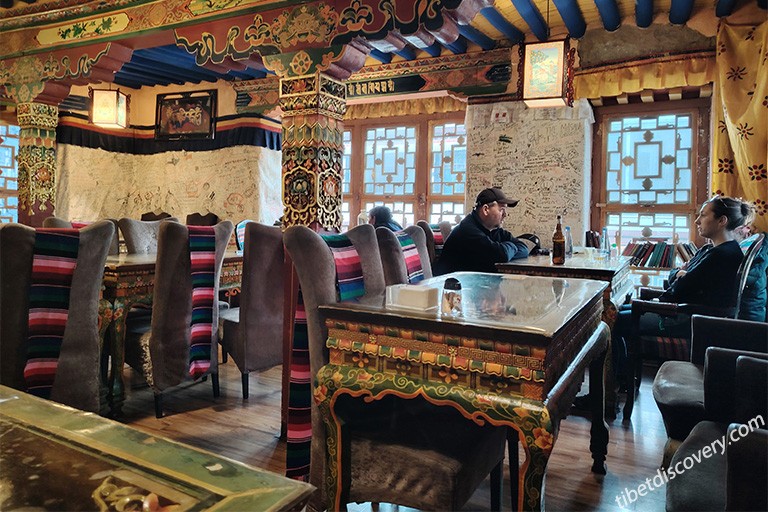
Whether you are a gourmet or not, Tibet cuisine is a must try if you visited Lhasa. Moreover, trying the cuisine made by yourself will be another unforgettable experience. The most recommended place in Lhasa is the Tibetan Family Kitchen. Here, you can savor authentic flavors and then immerse yourself in a cooking class to learn how to recreate them. The experience usually begins with a visit to a lively local market to select fresh ingredients, followed by an interactive cooking session where guests learn to prepare signature dishes such as juicy Yak Meat Momos under guidance. From kneading dough and mincing meat to steaming or frying the finished dishes, every step is both engaging and educational.
NO. 17: Snap the Iconic 50 Yuan Banknote View at Chakpori Hill Viewing Platform
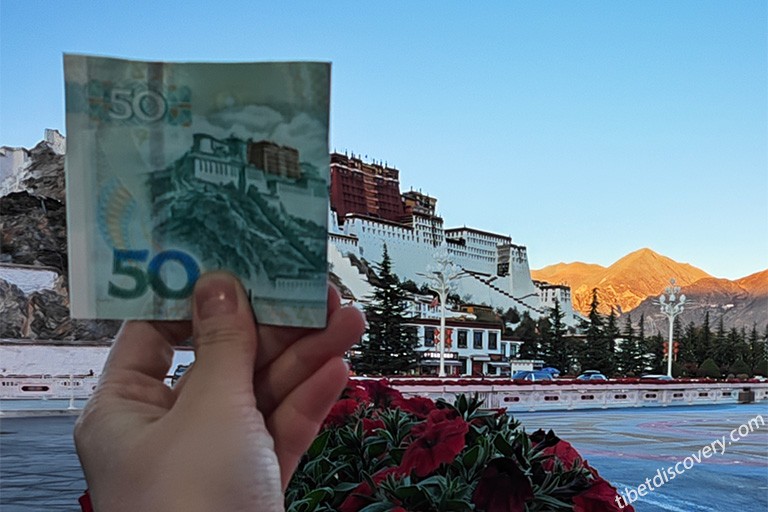 50-yuan Banknote with Potala Palace
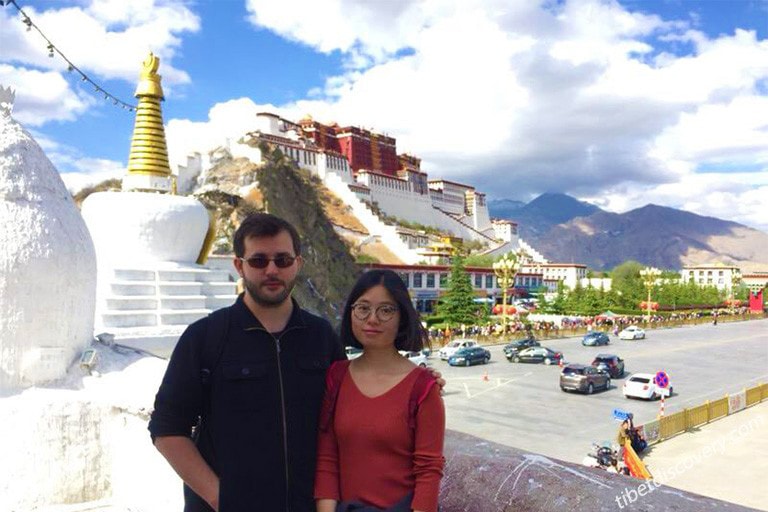 Our Guests at Chakpori Hill Viewing Platform
• Type: Viewing Platform
• Tickets: Free
• Openning Hours: 8:00-19:40 (15th Apr. to 15th Oct.); 9:00-19:00 (16th Oct. to 14th Apr.)
Do you know where the famous scene on China's 50-yuan banknote was photographed? The answer lies in Lhasa, and more precisely, the Potala Palace captured from Chakpori Hill (Yaowang Mountain) Viewing Platform. Today, this spot has become one of the hottest photo check-in points, where visitors line up to recreate the iconic image. Holding up a 50-yuan note to frame the palace against the sky is not just a fun gesture, but a vivid way to connect China’s iconic imagery with the real-world majesty of Tibetan heritage. For the best light, visit in the early morning or late afternoon, when the palace glows against the plateau sky. If time permits and interest leads, a visit to Tuanjie Park (nestled at the foot of the Chakpori Hill) is also highly recommended, where you can enjoy a lakeside stroll, embark on a hill hike, and take in a distant view of the Potala Palace.
Check more about A Frame with a View - 11 Best Places to View & Photograph Potala Palace
NO. 18: Climb High and Gaze far for a Panoramic Vista of Lhasa Over Nanshan Park
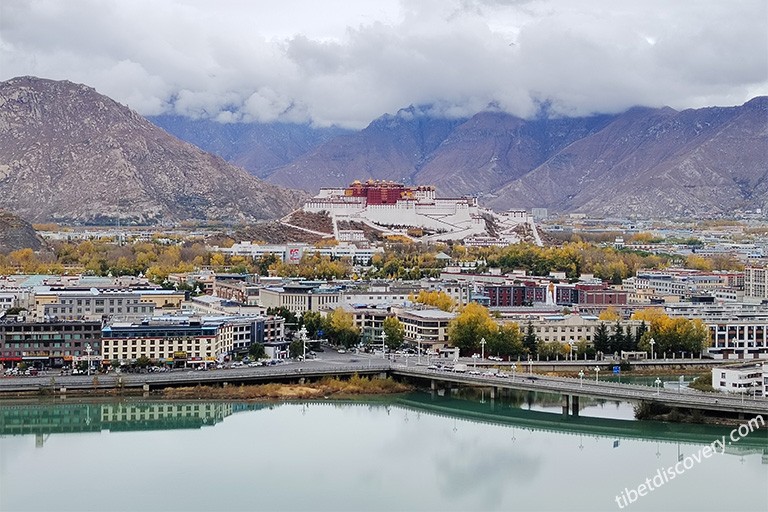 Lhasa Panorama Viewed from the Nanshan Park
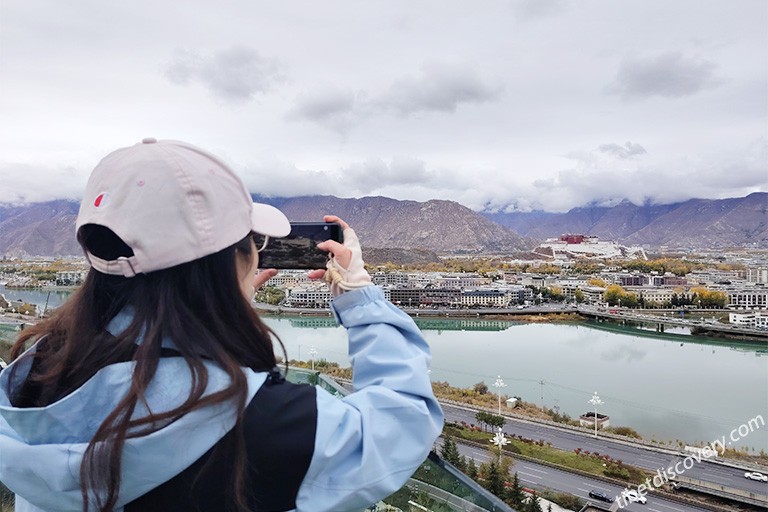 Photograph the Potala Palace at Nanshan Park
Given Lhasa's high altitude (3,650m), climbing for panoramic views is both a challenge and a highlight. The most complete panorama awaits at the glass viewing platform in Nanshan Park. Located just south of the Lhasa River, Nanshan Park is a modern green space that has quickly become a favorite among locals and photographers. The park itself is a testament to Lhasa's contemporary life, with well-paved trails and the striking giant hillside slogan "祖国万岁" (Long Live the Motherland). After the rewarding hike, you’ll be greeted by the full tableau: the Lhasa River winding like a ribbon, the Potala Palace standing at the heart of the city, and the surrounding mountains cradling Lhasa.
NO. 19: Share Laughter and Joy through Tibetan Dance and Song
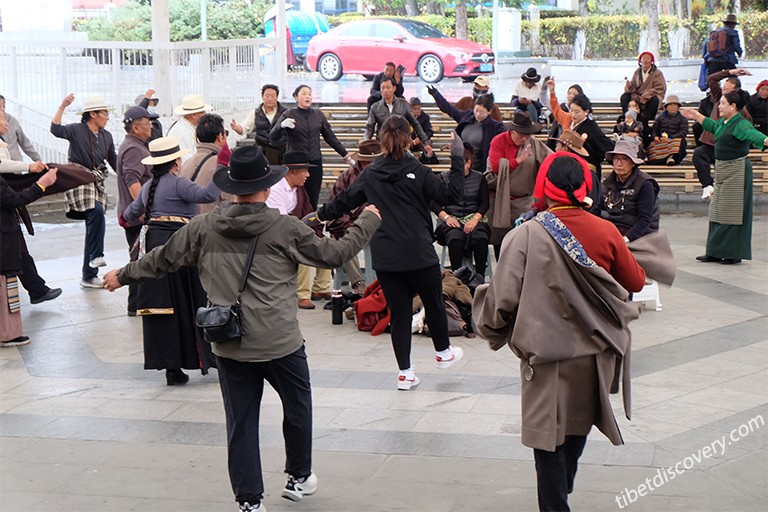 Guozhuang Dance at Zongjiao Lukang Park
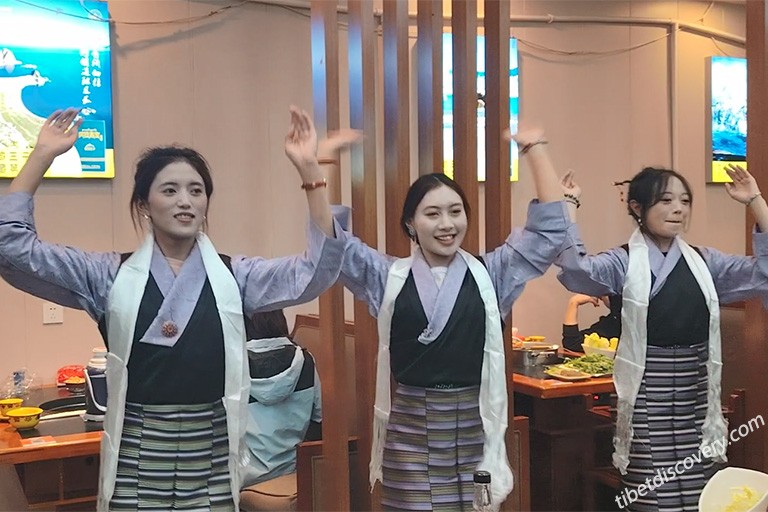 Dance Performance at Local Restaurant
The people of Lhasa carry a spirit of joy and openness that is deeply woven into their daily life, most vividly expressed through their love for Tibetan dance and song. In parks, public squares, and during festivals, you’ll often see locals, from elders to children, gathering in circles, singing in resonant harmonies and dancing with relaxed, rhythmic steps. Most of these gatherings in parks are spontaneous and visitors are warmly invited to join. For example, in Zongjiao Lukang Park, you can often find lively circles of people dancing the traditional Tibetan Guozhuang dance. Meanwhile, some local restaurants also offer Tibetan song and dance performances, thoughtfully designed to enhance the dining experience and offer guests a delightful taste of Tibetan cultural warmth alongside the local cuisine.
NO. 20: Wander the Ancient Birthplace of Tibetan Incense in Nyemo Tunba
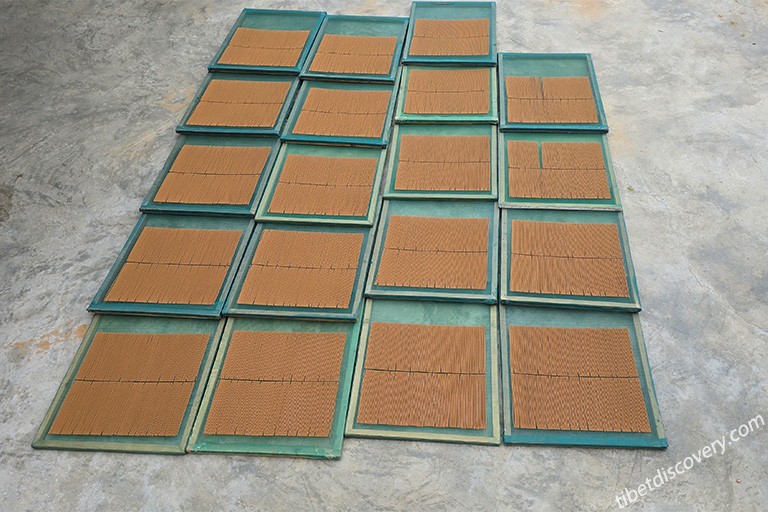 Tibetan Incense
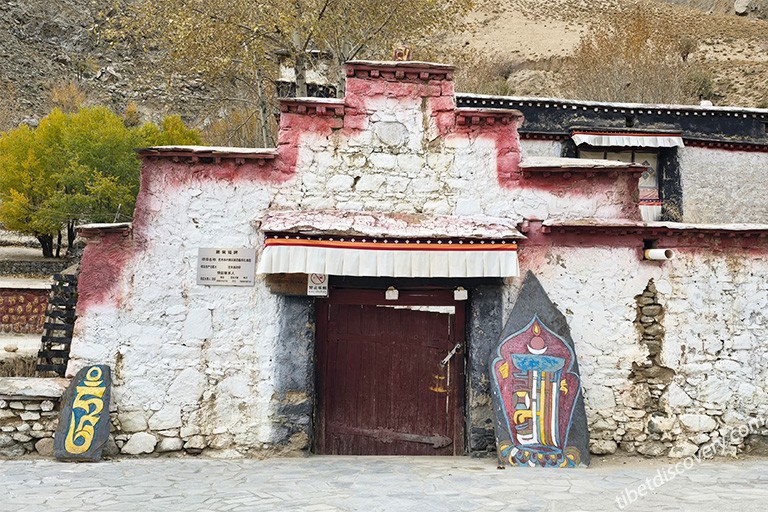 Former Residence of Thonmi Sambhota in Nyemo Tunba
• Type: Tibetan Villages, Cultural Sites
• Altitude: 3,809 meters
• Tickets: Free
• Recommended Visiting Time: 1~3 Hours
Nyemo Tunba Scenic Area, a small village in Nyemo County, is the birthplace of Tibetan incense and famous for the hometown of Thonmi Sambhota, the creator of Tibetan characters. Made primarily from plateau cypress wood and blended with dozens of natural medicinal ingredients such as saffron, musk, and sandalwood, Tibetan incense is entirely handmade using ancient methods. For travelers in Lhasa, a journey to Nyemo Tunba offers a rare and immersive encounter with a nationally protected intangible cultural heritage. Here, the scent of sacred incense lingers in the air, and the enduring tradition of aromatic craftsmanship finds its living expression.
NO. 21: Celebrate the Living Culture of Tibetan Festivals
There are many Tibet festivals celebrated in different ways in Lhasa. If time permits, you can visit Lhasa during the festivals and enjoy the lively scenes with the local people.
The first festival comes Shoton Festival taking palace from 30th June in Tibetan Calendar and lasting for 5 days. During the festival, a huge Buddha Thangka will be shown in Drepung Monastery and wonderful Tibetan operas will be performed in Norbulingka Park. Tibetan also will gather in the park to celebrate the festival by eating yoghurt.
Tibetan New Year Festival is another significant festival in Tibet. On the first day of the New Year Festival, the local people will wear the most beautiful clothes and precious jewelry to celebrate the coming year. You can enjoy some performance in the Potala Palace Square and there will be sutra-chanting in Jokhang Temple. Please note that the New Year Festival might not be open to foreign tourists some years. You could contact our travel consultant for the up-to-date information.
In addition to Shoton Festival and New Year Festival, other festivals like Butter Lanter Festvial, Saga Dawa Festival, Ganden Thangka Unveiling Festival etc. are attractive as well.
How to Plan a Lhasa Tour
How to Get to Lhasa : Nonstop flights to Lhasa Gonggar International Airportfrom Chengdu (about 3 hrs), Chongqing (about 3 hrs), Beijing (about 4.5 hrs), Xi'an (about 4.5 hrs), Xining (about 2.5 hrs), Kunming (about 3 hrs), Shangri-La (about 2.5 hrs), etc. and Qinghai-Tibet Railway to Lhasa Railway Station from Xining, Chengdu, Chongqing, Beijing, Shanghai...
Best Time to Visit Lhasa : all year round, with the summer (Jun.~Aug.) and autumn (Sept.~Nov.) seasons being the optimal time to visit.
Where to Stay in Lhasa : Central Lhasa's Chengguan District, with the Barkhor Street or Potala Palace areas being highly recommended.
Lhasa, the capital of Tibet, is known as the "Sunlight City" and serves as the spiritual heart of Tibetan Buddhism. We recommend spending 3~4 days exploring the city.
☛ How to Plan a Lhasa Trip & Visiting Lhasa Advices
The 4-day classic Lhasa journey is designed for first-time visitors to Lhasa. Its carefully paced itinerary allows for gradual acclimatization while covering Lhasa's highlights, gently guiding you from heritage sites to living traditions. Spend your first day gently adapting to Lhasa's high altitude (3650 m). On your second day, begin at the Tibet Museum, where you'll gain a thoughtful introduction to the region's history, art, and heritage. From there, step into the tranquil Norbulingka, the former Summer Palace celebrated as a masterpiece of Tibetan garden design. By afternoon, experience the lively Buddhist debates at Sera Monastery, offering a glimpse into Tibetan Buddhist scholarship.
On the third day, ascend to the UNESCO-listed Potala Palace, standing at 3,700 meters and housing sacred halls and historic artifacts. Continue to the spiritual heart of the city, Jokhang Temple, where pilgrims gather in devotion before the revered Jowo Shakyamuni statue. Finally, step into the vibrant Barkhor Street circuit, circling the temple amidst a lively blend of prayer, traditional markets, and local craftsmanship. The final day is reserved for departure.
☛ 4 Days Holy City Lhasa Private Tour - Heart of Tibet
For a touch of nature beyond the city, consider a day trip to one of Tibet’s Three Sacred Lakes: Namtso Lake or Yamdrok Lake. Namtso Lake ranks among the world's highest saltwater lakes, with prayer flags and mani stones along its shores completing a landscape of profound serenity. Yamdrok Lake is famed for its ribbon-like turquoise waters winding through the mountains. Its ever-shifting shades of blue and green create a view often described as "heaven on earth".
☛ 5 Days Lhasa City and Holy Lake Namtso Tour
☛ 5 Days Best of Lhasa & Beautiful Yamdrok Lake Tour
With 6~9 days to explore, extend your journey from Lhasa to more of Tibet's iconic destinations, such as the world's highest peak Everest, the lush and scenic Nyingchi known as "Tibetan Switzerland", and Shigatse, the Tibet's second-largest city and home to the historic Tashilhunpo Monastery.
☛ 6 Days Lhasa Gyantse Shigatse Historical Tour
☛ 7 Days Classic Lhasa Nyingchi Landscape Discovery Tour
☛ 8 Days Everest Base Camp Tour - Top of the World
☛ 9 Days Tibet Discovery Tour plus Everest and Namtso Expedition
At Tibet Discovery, we can seamlessly connect your Lhasa experience with a comprehensive Tibet tour, handling all itineraries, permits, and transportation so you can focus on the once-in-a-lifetime adventure. Contact us to customize your journey now!
 Must-Visit Attractions in Lhasa
Our Guest visited Namtso Lake in Summer Time
Must-Visit Attractions in Lhasa
Our Guest visited Namtso Lake in Summer Time
Discover Tibet with a Journey Tailored to You
International travelers are required to join an organized tour with a licensed travel agency to visit Tibet, which means independent travel isn’t permitted. But rather than viewing this as a limitation, we at Tibet Discovery see it as an opportunity to craft something extraordinary for you. Our decades of experience operating in Tibet allow us to transform what could be a simple route into a carefully curated journey. Just contact us to plan your adventure!
When you travel with us, you’ll benefit from:
◾ An expert local guide who brings Tibet’s history, culture, and hidden stories to life.
◾ A comfortable private vehicle suited to Tibet’s unique road conditions.
◾ An experienced driver who knows every curve of the route and can spot wildlife or photo opportunities you might otherwise miss
◾ Flexible pacing that lets you linger at viewpoints or explore unexpected discoveries along the way
Travel with Tibet Discovery
Lhasa Travel Guide
Lhasa Transportation
Recommended Lhasa Tibet Tour Packages
Lhasa is revered as "the Sunlight City" and the spiritual heart of Tibet, with its iconic Potala Palace, sacred monasteries, bustling pilgrim streets, and breathtaking high-altitude landscapes. Following are our well-crafted popular tour packages to Lhasa. You can also contact us to customize a trip of your own based on your personal needs.
-

Lhasa / Yamdrok Lake / Gyantse / Shigatse / Mount Everest / Lhasa
8 Days Lhasa to Mount Everest Private Tour with Base Camp Experience
Highlights: Potala Palace, Jokhang Temple, Yamdrok Lake, Palcho Monastery, Everest Base Camp, Sakya Monastery, Tashilhunpo Monastery
-
Lhasa
4 Days Holy Lhasa City Highlights Private Tour with Cultural Heritage Treasure
Highlights: Potala Palace, Jokhang Temple, Barkhor Street, Norbulingka, Sera Monastery Monk Debate
-

Lhasa / Namtso Lake / Lhasa
5 Days Lhasa Highlights & Holy Lake Namtso Private Tour
Highlights: Potala Palace, Jokhang Temple, Barkhor Street, Sera Monastery Monk Debate, Namtso Lake
Prefer to tailor a trip that totally suits your requirements and interests? Our 20+ professional, helpful and friendly travel experts are ready to help! Tell us your needs, and one of our experts will get to you with trip details within 0.5~23.5 hrs. You can also call us at 86-28-85227275 / 86-28-85223672.

 Karen
Karen Wonder
 Jack
Jack Rita
Rita Johnson
 Vivien
 Wing
Wing Ariel
Ariel Leo
Leo Tracy
Tracy Evelyn
 April
April Phoebe
 Kelly
Kelly Shirley
 Reya
Reya Elk
Elk Samantha
 Bliss
Bliss York
York Felix
Felix Sean
SeanOur specialists are always ready to help!
Have a question? Get answers from our travel experts soon!
- Your Question:
- Your Name:
- Your Email:
- Submit