


 Beijing + Tibet Tours
 Chengdu + Tibet Tours
 Shanghai + Tibet Tours
 Xining + Tibet Tours


Lhasa Weather & Climate - Best Time to Visit Lhasa 2026/2027
Lhasa (coordinates: 29°39′N 91°07′E), the capital and the biggest city of Tibet, is located in southeast Tibet and north of Lhasa River, the branch of the Yarlung Zangbo River. Lies in the north part of Himalayas, and middle of Qinghai Tibet Plateau, Lhasa is one of the highest cities in the world at an average altitude of 3,650m (11,975feet).
Deeply affected by its unique geographic location and topography, Lhasa is the plateau temperate semi-arid monsoon climate with typical features of strong radiation, long hours of sunshine, large temperature difference between day and night, dry, cold and windy in winter and spring, warm and humid in summer and autumn.
Average Lhasa Temperature by Month
| Month | Recommended Rate | Max Temp. | Min Temp. |
|---|---|---|---|
| Jan. | °C | °C | |
| Feb. | °C | °C | |
| Mar. | °C | °C | |
| Apr. | °C | °C | |
| May. | °C | °C | |
| Jun. | °C | °C | |
| Jul. | °C | °C | |
| Aug. | °C | °C | |
| Sep. | °C | °C | |
| Oct. | °C | °C | |
| Nov. | °C | °C | |
| Dec. | °C | °C |
When is the Best Time to Visit Lhasa
Generally, tourists can visit Lhasa all year round with different climate features in each period. April to October is the best time to travel to Lhasa and the peak season is from May to September. During that period, the climate in Lhasa is warm and humid, not so dry and windy in winter and spring.
To fully immerse in local culture, visit in mid-to-late August during the Shoton Festival (dates vary annually) - Lhasa's grandest celebration. If you visit in Winter and Spring (November to April), you can enjoy discounts on attractions, accommodation, and transportation. Moreover, it is the best time to experience the plateau thermal spring and try to climb the snow mountain. But December to January are frigid with temperatures of -9 to 9 °C, and Tibet Permit processing slows around Spring Festival. During Chinese holidays, such as the summer holiday period (July–August), the winter holiday period (around January), and the National Day Golden Week (October 1–10), Lhasa's popular sites draw large crowds, so advance booking is recommended for a seamless experience.
Lhasa Four Seasons - Seasons to Go
Spring (March-May)
• Temperature: 9 - 15 °C. Dry, windy, with gradually increasing oxygen levels
In spring, while most lowland cities burst with vibrant greenery, Lhasa remains dry and slightly chilly—with occasional strong winds and light snowfall early on, then giving way to stable, rarely rainy weather as the season progresses. Oxygen levels rise gradually, making acclimatization easier for travelers compared to winter. Days are warm under the sun but nights stay cool, with significant day-night temperature swings. Nearby lakes like Namtso Lake gradually thaws, their waters reflecting distant snow-capped mountains. By late May, spring is in full bloom, with peach and cherry blossoms dotting the city and its surroundings. But this season Lhasa receives fewer tourists than following summer and autumn peak times.
• Recommended Activities: Visit Lhasa's major attractions, including Potala Palace, Jokhang Temple, Drepung Monastery, Sera Monastery, Ganden Monastery, and Norbulingka; watch the Princess Wencheng Drama; experience local culture during Saga Dawa in May to early June.
• What to Wear & Pack: Opt for layered clothing. During sunny daytime, a long-sleeve T-shirt paired with a windbreaker suffices. For cooler mornings and evenings, add a thin sweater or down vest. A thin down coat is essential for visits to Nam Co Lake. Bring your sunglasses, sunhat, sunscreen and other things to shield against intense UV rays.
 Beautiful Flowers Bloom in Spring
Summer (June-August)
• Temperature: 9 - 20 °C. Rainy, with intense UV rays & peak oxygen levels.
Summer is the season with the highest oygen levels in Lhasa and one of the busiest travel periods for Lhasa when climate and scenery are the best. There are tourists from all over the world. Lhasa is not as hot as many other inland cities in summer days, usually just has maximum temperature less than 25~26 °C, which is much comfortable in a coat. At the same time, rainy season of Lhasa begins with frequent rains at night. In one day, morning is kind of like spring, midday is the hottest period, and evening is much colder like winter when sleeping needs to cover bed quilt. Given this peak tourist period, we recommend booking your tour package in advance, because it will be quite difficult to book your train/flight ticket.
• Recommended Activities: Besides Potala Palace, Norbulingka, Barkhor Street and the classic monasteries and , you can also visit Namtso Lake – great photography place; watch the Princess Wencheng Drama; witness the Shoton Festival, Tibet's grandest cultural celebration.
• What to Wear & Pack: Remember to wear a long-sleeve coat, bring your sunglasses, sunhat, sunscreen and other things to protect yourself from sunburn and rain gear for unexpected rains.
 Azure Summer Skies Over the Majestic Potala Palace
Autumn (September-November)
• Temperature: -5 - 18 °C. Dry, windy, cooler, with fading UV rays & relatively high oxygen levels.
The autumn is considered one of the best and the most breathtaking seasons of Lhasa with fewer visitors than the summer peak. All you feel will just be comfortable and pleasant cool. The sky is purely blue with floating clouds, trees are turning yellow, and everything is beautiful in abundant color. Winds pick up gradually around lakes like Namtso. In late November, the first snow may dust the region, but precipitation is extremely scarce and the air is dry, so staying hydrated is essential.
• Recommended Activities: You can visit all most cultural landscape in Lhasa, including Potala Palace, Jakhang Temple, Derpung Monastery, Norbulingka, hang out at Barkhor Street, watch the Princess Wencheng Drama. Natural attractions like Namsto Lake will be largely affected by the weather at that time.
• What to Wear & Pack: Please note to wear some warm coats and shoes in autumn, especially at nights when it is much colder than days, and don't forget to take protective measures to protect your skin during your Tibet Lhasa visit.
 Colorful Scenery of Norbulingka in Autumn
Winter (December-January)
• Temperature: -9 - 9 °C. Sunny, dry, rarely rainy, windy, cold, with low oxygen levels.
It's thought to be the shoulder season in Lhasa with fewer tourists. However, travel to Lhasa in winter is another impressive experience. Winter is not cold as you thought. While windier and chillier than other seasons, the city basks in abundant sunshine. When snow falls, the Potala Palace and sorrounding mountains are blanketed in white. You cans be freer and cozier to explore more local attractions after surprisingly finding there are fewer tourists, even some accommodation and tickets are discounted largely. But sometimes, roads to other outdoor destinations may be closed due to heavy snowfall, so choose a good time to go is very important. Additionally, more time is needed to acclimatize its lower winter oxygen levels.
• Recommended Activities: Visit all the cultural landscape in Lhasa, such as Potala Palace and monasteries, Jakhang Temple, Derpung Monastery, Sera Monastery; watch the splendid and amazing snow mountain, watch the Princess Wencheng Drama, even witness the local Tibetans celebrate the Losar (Tibet New Year Festival, in January to February); take a bath in hot spring of Yangpachen.
• What to Wear & Pack: Opt for warm, windproof clothing, including down jackets, sweaters, thick trousers, windbreakers, insulated shoes, hats, gloves, and scarves. Wear sunglasses outdoors to prevent snow blindness.
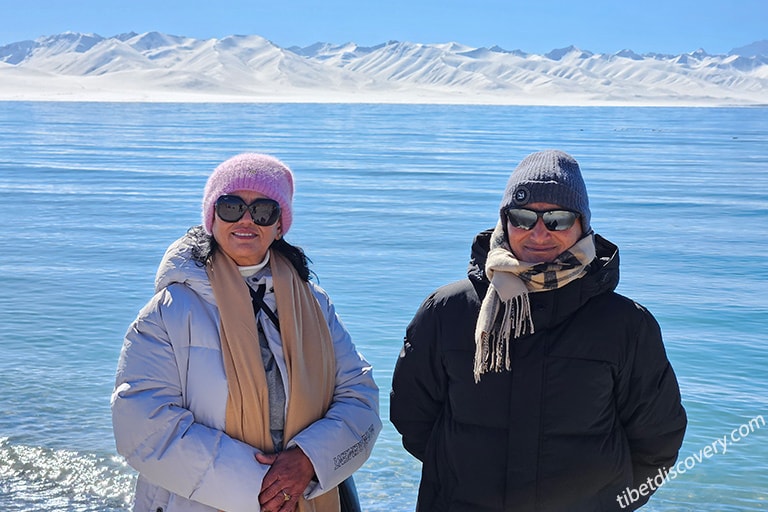
 Pure Blue Namtso Lake and Snow Covered Mountains

Travel Tips for Lhasa
1. Clothing Advice: Lhasa has strong radiation ultraviolet radiation and large temperature difference between day and night at all seasons. Please do enough sunblock protections and prepare some warm cloths and long-sleeve coats, shoes from getting cold.
2. Altitude and Acclimatization: Lhasa is situated in Qinghai Tibet Plateau with a high elevation of over 3,650 meters. For the top concerned high altitude sickness, both physically and mental state are crucial. For professional advice to help you adapt, you can reach out to us. As part of our Tibet tour packages, we offer thoughtful acclimation tips, carefully planned itineraries, and all-inclusive support: tickets, transfers, accommodation, meals, and beyond.
Read more about Lhasa Altitude | How to Avoid High Altitude Sickness in Tibet.
 Wear Warm in Lhasa
How to Plan A Tibet Tour
Tibet is too vast to be visited in one single trip, but planning ahead of time can make most of your holiday. A classic Tibet tour always takes about 4 ~ 8 days. Apart from 2 days for arrival and departure, it usually needs 2 other days to explore majestic Potala Palace and other landmarks in Lhasa, the capital of Tibet. With a day trip’s distance from Lhasa, Namtso Lake is another perfect tour extension if you visit Tibet from May to October.
☛ 4 Days Holy City Lhasa Private Tour - Heart of Tibet
☛ 5 Days Lhasa City and Holy Lake Namtso Tour
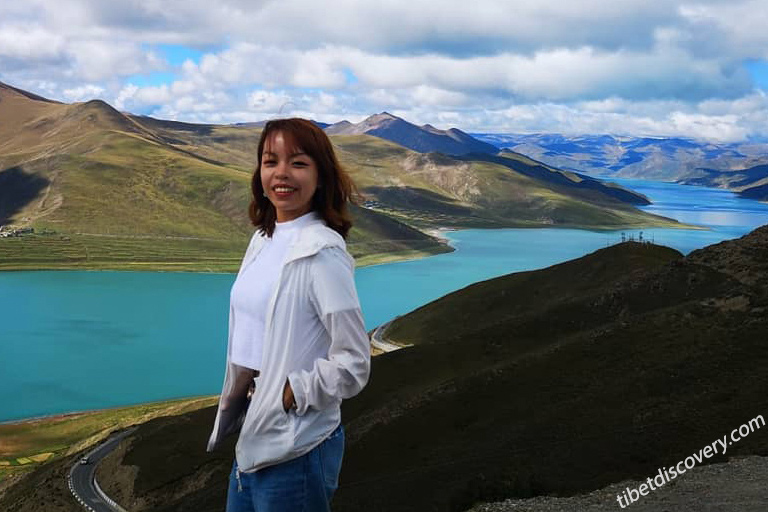
To explore further, it’s strongly recommended to travel from Lhasa to Mount Everest via Gyantse and Shigatse, which usually needs 4 more days. It is an unforgettable sightseeing trip with lots of attractions to visit, such as Yamdrok Lake, Karola Glacier, Kumbum Stupa of Palcho Monastery, Tashilhunpo Monastery, etc. Of course, the biggest draw must be gazing upon the unparalleled north face of the world’s highest peak – Mount Everest.
☛ 6 Days Lhasa Gyantse Shigatse Historical Tour
☛ 8 Days Everest Base Camp Tour - Top of the World
☛ 9 Days Tibet Discovery Tour plus Everest and Namtso Expedition
For Buddhist followers and hiking lovers, you are suggested to travel to Ngari to join the kora around the holy Mt. Kailash and sacred Lake Manasarovar, which usually takes about 5 ~ 8 more days from Lhasa. The wild nature of Ngari is spectacular as well.
☛ 13 Days Mt. Kailash & Lake Manasarovar Trekking Tour
☛ 16 Days Mt.Kailash Pilgrimage Private Tour
Most travelers combine a Tibet trip with visits to other top destinations, often extending their journey from nearby hubs like Chengdu, Xian, Yunnan, or Xining, or pairing it with iconic cities and landscapes such as Beijing, Shanghai, Zhangjiajie, Guilin, etc. If you have your own needs or interest, just feel free to contact us to customize a trip of your own!
 Lhasa, Namtso, Mount Everest and Ngari are four most popular destinations in Tibet
Most Popular Lhasa Weather and Climate Tour

-
6 Days Lhasa Namtso Highlights Private Tour with Breathtaking Holy Elephant Heaven Gate
- Tour Type: Private Custom Tour
- Destination: Lhasa / Namtso Lake - Lhasa
- Duration: 6 days and 5 nights
- Travel Theme:


-
8 Days Lhasa to Mount Everest Private Tour with Base Camp Experience
- Tour Type: Private Custom Tour
- Destination: Lhasa / Yamdrok Lake / Gyantse / Shigatse / Mount Everest / Lhasa
- Duration: 8 days and 7 nights
- Travel Theme:


-
7 Days Lhasa Gyantse Shigatse Golden Triangle Tour
- Tour Type: Private Customizable Tour Package
- Destination: Lhasa / Gyantse / Shigatse / Lhasa
- Duration: 7 days and 6 nights
- Travel Theme:

-
5 Days Lhasa & Local Life Discovery Tour
- Tour Type: Private Customizable Tour Package
- Destination: Lhasa city and suburb
- Duration: 5 days and 4 nights
- Travel Theme:
-
4 Days Holy Lhasa City Highlights Private Tour with Cultural Heritage Treasure
- Tour Type: Private Custom Tour
- Destination: Lhasa
- Duration: 4 days and 3 nights
- Travel Theme:
Lhasa Travel Guide
Lhasa Transportation
Prefer to tailor a trip that totally suits your requirements and interests? Our 20+ professional, helpful and friendly travel experts are ready to help! Tell us your needs, and one of our experts will get to you with trip details within 0.5~23.5 hrs. You can also call us at 86-28-85227275 / 86-28-85223672.

 Karen
Karen Wonder
 Jack
Jack Rita
Rita Johnson
 Vivien
 Wing
Wing Ariel
Ariel Leo
Leo Tracy
Tracy Evelyn
 April
April Phoebe
 Kelly
Kelly Shirley
 Reya
Reya Juliet
 Elk
Elk Samantha
 Felix
Felix Sean
SeanOur specialists are always ready to help!
Have a question? Get answers from our travel experts soon!
- Your Question:
- Your Name:
- Your Email:
- Submit