


 Beijing + Tibet Tours
 Chengdu + Tibet Tours
 Shanghai + Tibet Tours
 Xining + Tibet Tours


How to Plan a Lhasa Trip & Visiting Lhasa Advices 2026/2027
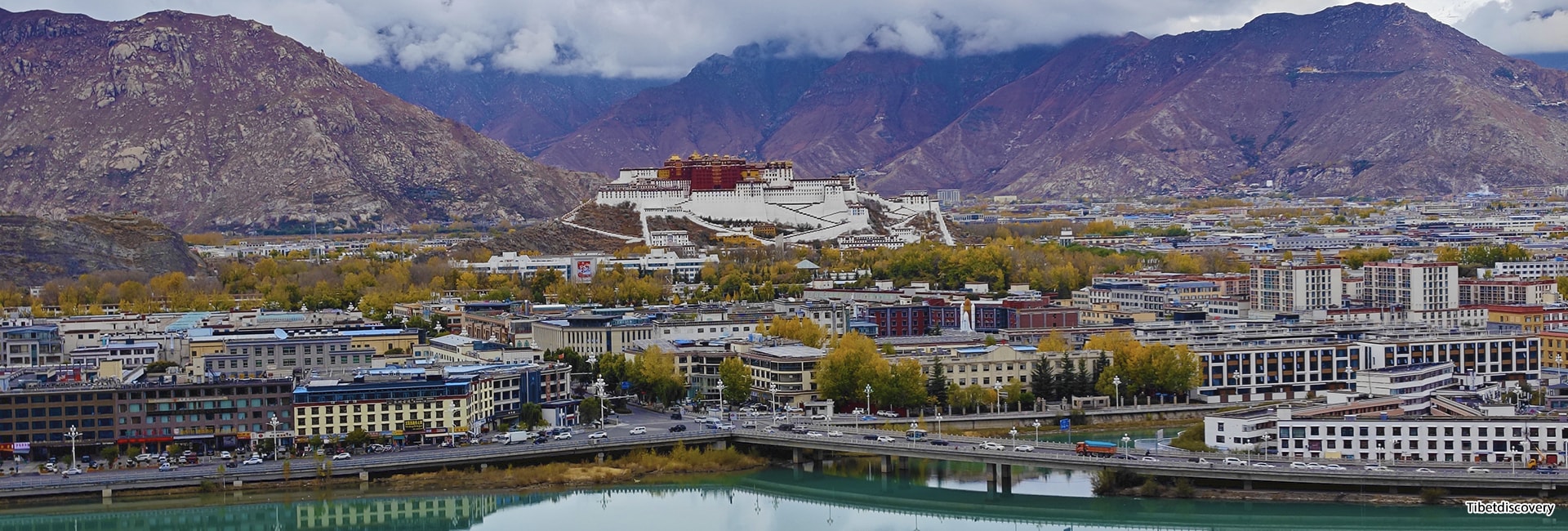
Lhasa, the cultural and spiritual heart of Tibet, is famed for its magnificent plateau scenery and rich buddhist heritage. The magnificent Potala Palace and clusters of traditional Tibetan homes with the snow-draped mountains, broad valleys, shimmering rivers, form a landscape both majestic and serene. Beyond its iconic sights, Lhasa offers ancient monasteries, vibrant markets, and a unique blend of history and living tradition that make the city unlike anywhere else on the plateau.
As the transportation hub of Tibet, Lhasa has a convenient international and domestic transportation network, and its relatively lower altitude (3650m) compared to other areas of Tibet makes it the primary destination for starting a journey in Tibet. Exploring Lhasa is always an unforgettable experience - but how can you organize a smooth and stress-free trip? Here are our top tips for planning a Lhasa itinerary, covering transportation, weather and climate, must-see attractions, travel routes, accommodations, and more. Taking the following ideas as a reference, plan an ideal Lhasa trip according to your travel time and preference.
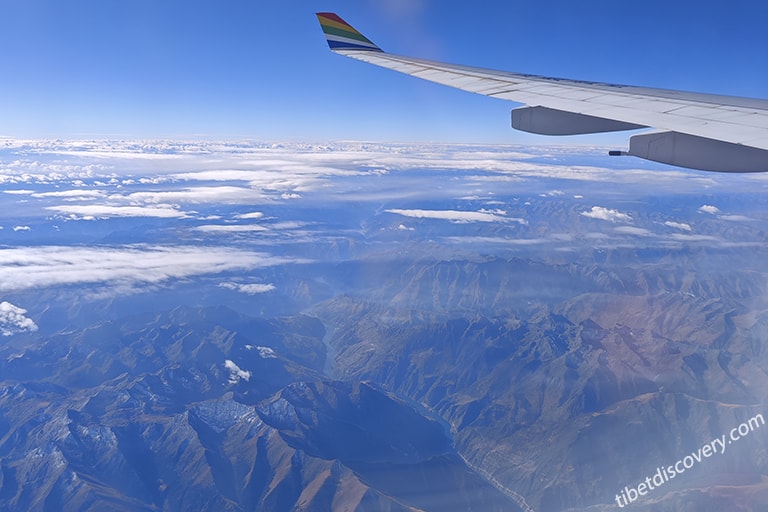 Scenic Flying Experience to Lhasa
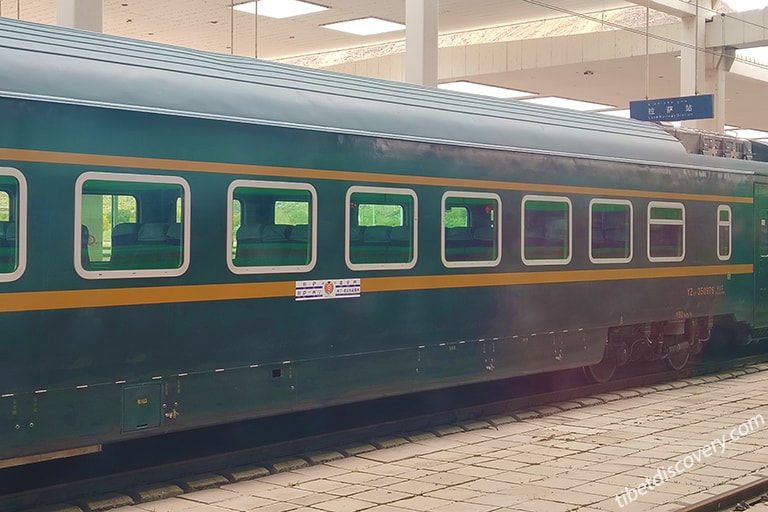 Qinghai-Tibet Railway
Most travelers get to Lhasa from nearby and top gateway cities in China, including Chengdu, Chongqing, Xian, Xining, Kunming, Lijiang, Shangri-La, Beijing, Shanghai, etc. Besides, some travelers also choose to travel Lhasa from Kathmandu (capital of Nepal) by flights or overland driving.
Non-stop Flights to Lhasa from Chengdu, Beijing, Xi'an, Kunming, Kathmandu...
Taking a flight is the most comfortable and effective way to Lhasa. Lhasa Gonggar International Airport is connected with Chengdu (about 3 hours), Chongqing (about 3 hours), Beijing (about 4.5 hours), Xi'an (about 4.5 hours), Xining (about 2.5 hours), Kunming (about 3 hours), Shangri-La (about 2.5 hours), etc. by nonstop domestic flights and Kathmandu (about 1.5 hours) by nonstop international flights.
Qinghai-Tibet Railway to Lhasa from Xining, Chengdu, Chongqing, Beijing, Shanghai...
If you want a sightseeing journey on the way, taking a train to Tibet is a great option. Among the top gateway cities, there are 7 cities operating trains to Lhasa via Qinghai-Tibet Railway, namely Xining, Chengdu, Chongqing, Beijing, Shanghai, Lanzhou and Guanghzou. Though Xian operates no trains to Lhasa, Shanghai-Lhasa trains and Guangzhou-Lhasa trains have a stop at Xian Railway Station and they can take you from Xian to Lhasa as well.
Overland Driving to Lhasa from Kathmandu
Overland driving is available between Lhasa and Kathmandu. It takes longer time but offers a special way to travel more than transfer. Starting from Kathmandu, you can be driven to Gyirong Port between Nepal and Tibet. Next, have a driving journey to Mount Everest. And then, drive to Lhasa via Shigatse and Gyantse.
Read more: Lhasa Transportation | Flights to Lhasa | Trains to Lhasa
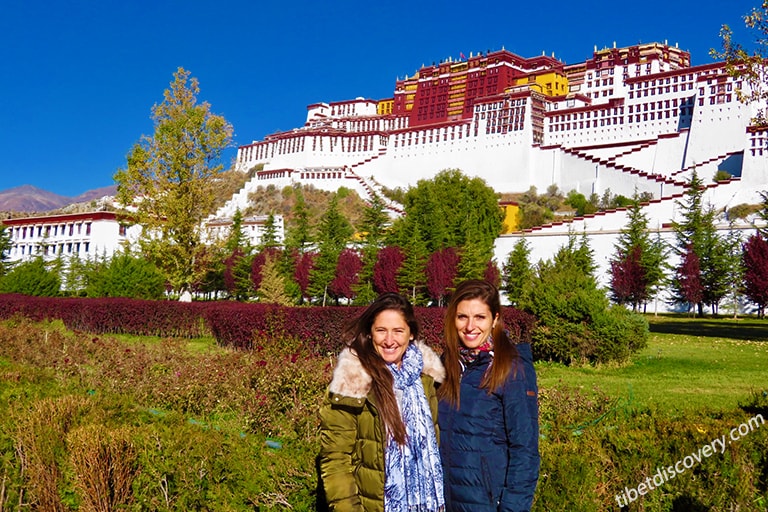 Our Guests visited Potala Palace in Autumn
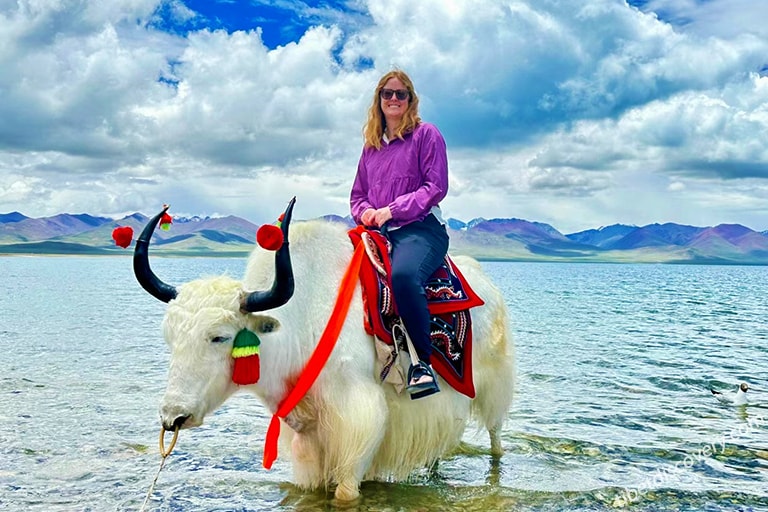 Our Guest visited Namtso Lake in Summer Time
Climate and Temperatures in Lhasa
Located on the high plateau of central Tibet, Lhasa is the plateau temperate semi-arid climate, dry, cold and windy in winter (December~February) and spring (March~May), warm and humid in summer (June~August) and autumn (September~November). Lhasa has a good reputation of "Sunlight City" with a long duration of sunshine all year round, but temperature swings between day and night can be quite large, so dressing in layers is advisable in every season.
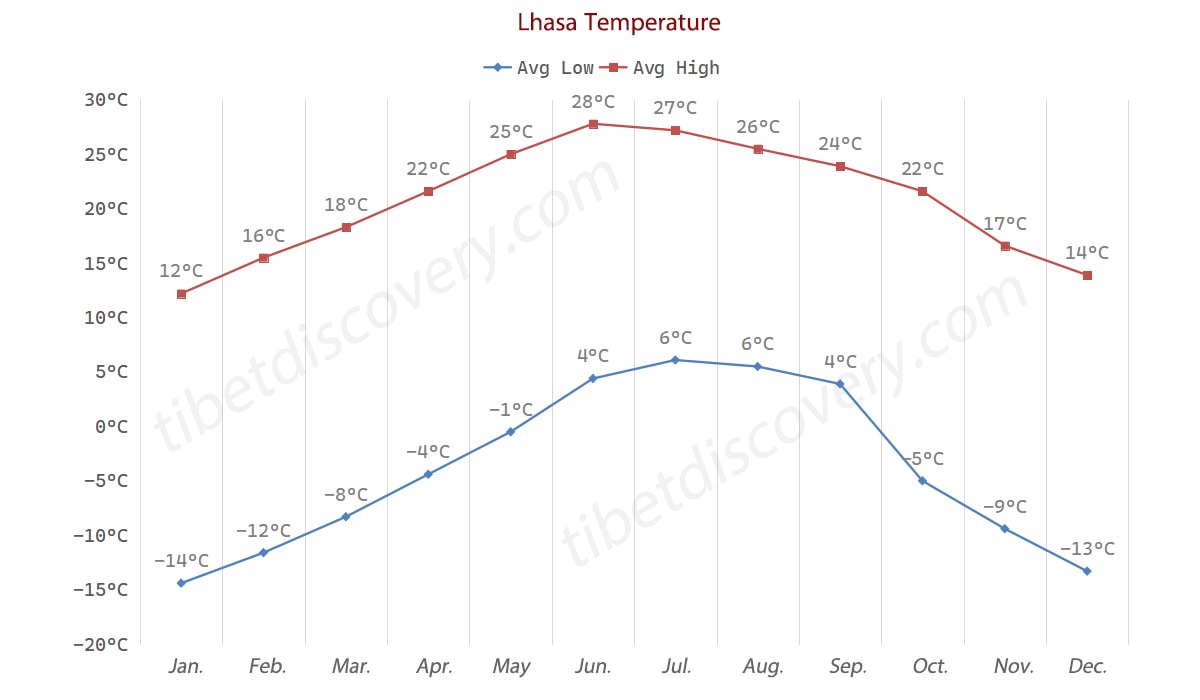 The Average Temperature of Lhasa
Best Time to Visit Lhasa - All Year Round
Lhasa is a year-round destination, each season offering its own charm. Generally, summer (June~August) and autumn (September~November) are the best time to travel to Lhasa and May to September is the peak season. During that period, Lhasa has the most pleasant weather with comfortable temperature, clear sky and excellent visibility, making it the best time for photography and panoramic mountain views. If you arrive at Lhasa just during the Shoton Festival, which starts on the 30th June according to Tibetan calendar and lasted for about 7 days, you can enjoy the discount off the normal admission price as in winter (December~February) and spring (March~May). Moreover, it is also the best time to experience the plateau thermal spring and try to climb the snow mountain.
Peak Season Advice: The site may be busier during Chinese holidays, particularly the National Day Holiday (October 1–7), which is generally recommended to be avoided if you prefer a quieter visit. Summer holidays are also a peak season for travelers. To make the most of your trip, consider booking hotels early and planning your activities in advance.
Read more: Lhasa Weather | Tibet Festivals | Saga Dawa Festival
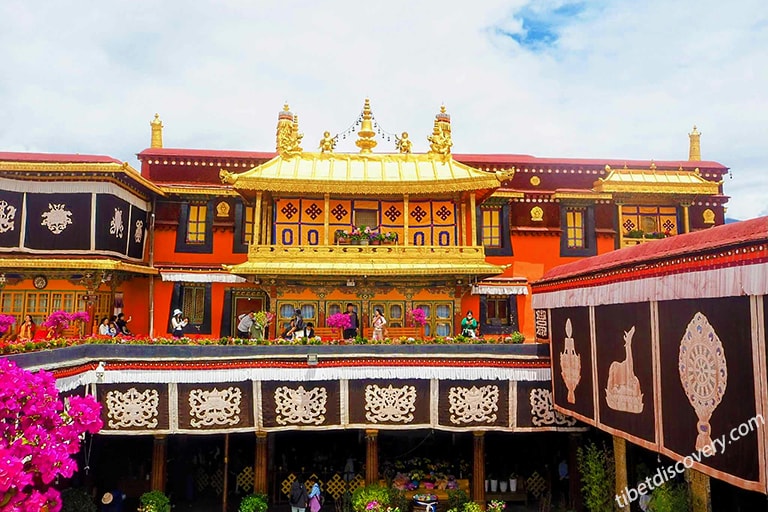 The Majestic Jokhang Temple with Golden Roof
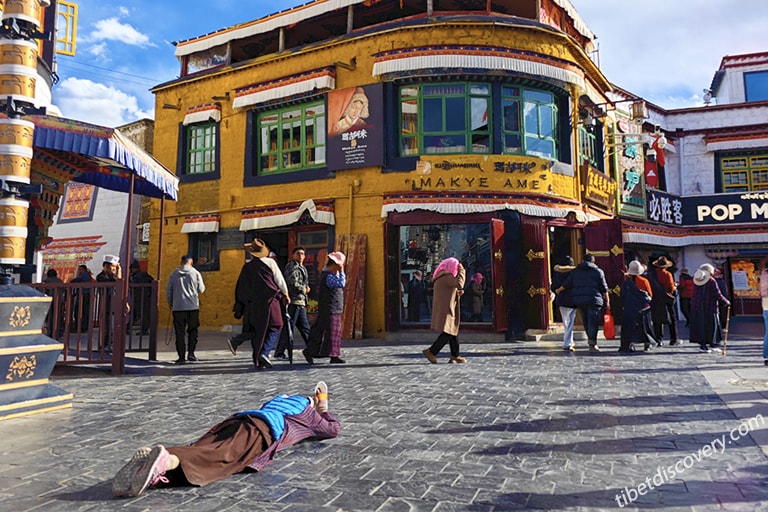 The Bustling Barkhor Street with Devout Pilgrim
As the holy city and spiritual center of Tibet, Lhasa has a great number of attractions which are worth seeing. The most famous attractions in Lhasa contain Potala Palace, Jokhang Temple, Barkhor Street, Norbulingka, Sera Monastery, Drepung Monastery, Namtso lake, etc. The most popular activities in Lhasa include watching Princess Wencheng Show, visiting local family, joining Tibetan cuisine cooking class, having a kora, etc.
Attractions in Lhasa City
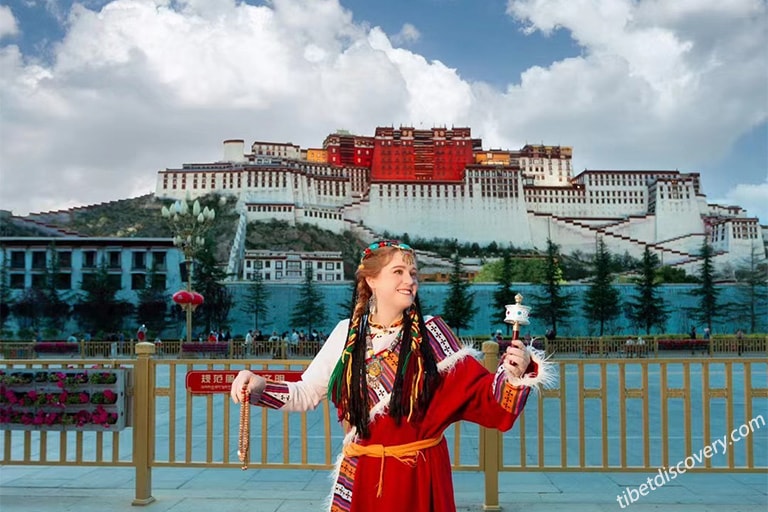
Potala Palace - Symbolic Architecture of Tibet: Potala Palace, regarded as landmark and the symbol of Tibet, is a masterpiece of Tibetan architecture with many cherished cultural heritages. According to the Guinness Book of World Records, Potala Palace is the highest (in altitude) palace in the world. Because of its spectacular architecture style, it is also honored as one of the most beautiful architectural buildings in the world.
Jokhang Temple - Religious Center of Tibet: Jokhang Temple is the spiritual center of Tibet and the holiest destination for all Tibetan pilgrims with the life-sized statue of the Shakyamuni at the age of 12 cherished here. It is listed in the World Cultural Heritages with Potala Palace and Norbulingka.
Barkhor Street - Tibet Shopping Street: Barkhor Street located in Lhasa downtown is a popular circumambulation for pilgrims and commercial center. As a public square around Jokhang Temple, it is a polygon, connected by different streets and laneways, with a total length of over 1000 meters. You can find many pilgrims turning their prayer wheels and many interesting souvenirs shopping stores here.
Tibet Museum - Splendid Tibet Cultural and Historical Collections: Tibet Museum is the first modern museum in Tibet. It has rich collections of statues of Buddhas and Bodhisattvas in various genres and shapes, colorful Thangka paintings, distinctive ethnic handicrafts, etc., where is your comprehensive window to understand the history and culture of Lhasa and Tibet.
Norbulingka - The Summer Palace of Lhasa: Norbulingka, means "Park of Treasure" in Tibetan and is a charming garden reputed as the summer palace of Lhasa with traditional Tibetan-style architecture. As one part of the historic Ensemble of the Potala Palace, it was added to World Heritage Sites in 2001.
Sera Monastery - Noted for Tibetan Buddhism Debating: Sera Monastery, one of the three main temples in Lhasa, along with Drepung Monastery and Ganden Monastery, is a representative of Gelug temples, featuring its famous Buddhism Debating, which is a spectacular way to discuss the Buddhist knowledge.
Drepung Monastery - Tibet's Largest Historical Monastery: As the official seat and residence from the mid-16th century to 1653, it enjoyed unparalleled status among Tibetan monasteries - once the political and religious heart of Tibet. The famous and significant Shoton Festival is celebrated here to unveil Buhhda.
Ganden Monastery - The Holy Monastery of Gelugpa: Ganden Monastery is one of the earliest and largest Buddhist monasteries in Tibet. In the meaning of bliss and contentedness in Tibetan, Ganden Monastery is the main dwelling of successive Gelug abbots, and many of these revered masters' stupas, tombs enshrining their relics, are within the monastery.
Princess Wencheng Show - Splendid Live Stage Show of Tibet Culture: Princess Wencheng Show is definitely a must-see and unique experience in Tibet. As a huge outdoor live-action performance, it truly presents the Chinese and Tibetan history and culture through the story that Princess Wencheng of Tang Dynasty married Songtsen Gambo 1,300 year ago.
Nearby Attractions around Lhasa
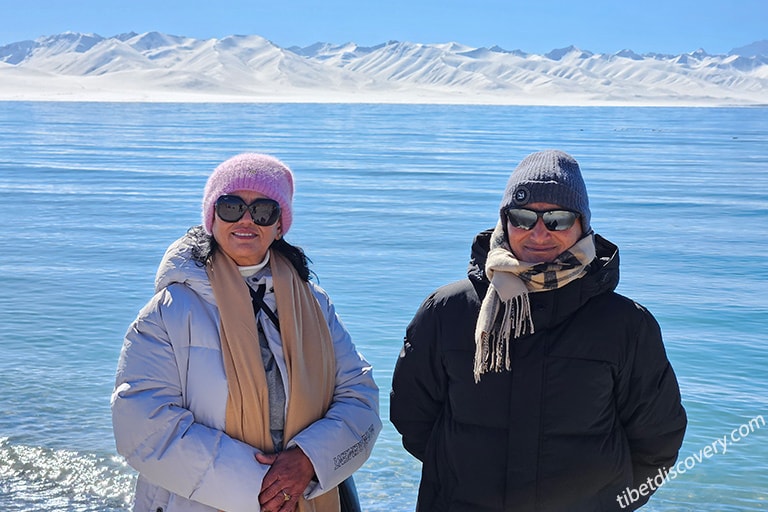
Namtso Lake - Paradise for Pilgrims and Photographers: In Tibetan, Namtso means Heavenly Lake, so it is considered as one of the three holy lakes in Tibet, together with Yamdrok Lake and Lake Manasarovar. Outstanding with shimmering turquoise-like blue water, flying colorful flags and flock of sheep or yaks, Namtso Lake is honored as the paradise of photographers.
Yamdrok Lake - One of the Three Holy Lakes in Tibet: Situated at the south of Yarlong Tsangpo River in Shannan city, this jaspideous lake is surrounded by many snow-capped mountains. By standing the hilltop around, you can have a far view of the fresh water under the sunshine reflected different colors of blue and the diverse lakeside grass and plants with yaks and birds dotted with.
Read more: Top Things to do in Lhasa
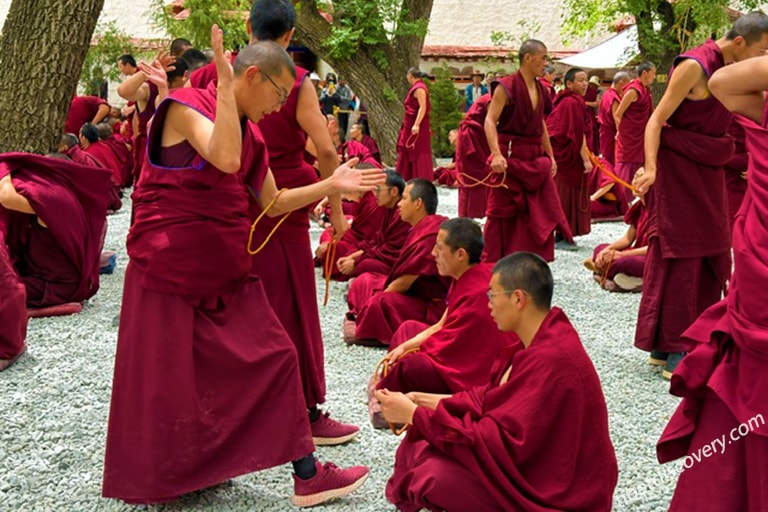 Tibetan Buddhism Debating in Sera Monastery
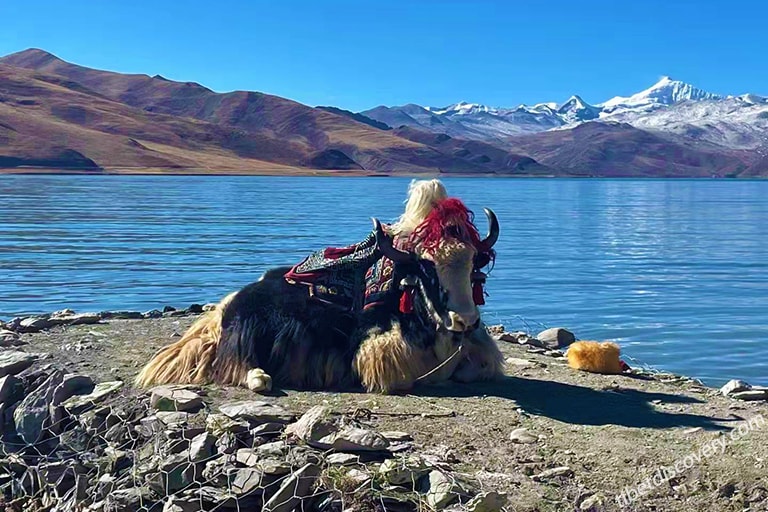 A Tibetan Yak Resting by Yamdrok Lake
To visit the main attractions in Lhasa city, you need at least 2 to 3 days, not including the days of arrival and departure. A classic round-trip itinerary in Lhasa usually takes about 4 days, and most tourists add 1 to 2 more days to extend their trip to the surrounding areas of Namtso and Yamdrok Lake.
2-3 Day Itinerary - Lhasa City Highlights Exploration
If you only have 2~3 days to visit Lhasa, you can focus on the main attractions within the Lhasa city, such as the Potala Palace, Jokhang Temple, Barkhor Street, Norbulingka, Sera Monastery, Drepung Monastery, etc. You can choose the sites you are interested in based on your time and preferences. Since the Potala Palace is at a higher elevation (3700m) than other attractions in the city (3650m) and requires climbing a large number of steps, it is recommended to visit the Potala Palace on the second day. You can also opt for our personalized service to create a Lhasa trip tailored to your personal interests and needs. Contact us now.
Read more: Lhasa 2 Days Itinerary Plans | Lhasa 3 Days Itinerary Plans
4-Day Itinerary - Classic Round-Trip Itinerary to Lhasa
Since Lhasa is located on the plateau, it will take some time to adapt to the high-altitude environment, so a 4-day trip is an ideal itinerary for Lhasa. It is recommended not to plan too many activities on your first day in Lhasa, but to rest adequately and prepare for the following days' itinerary: Tibet Museum - Norbulingka - Sera Monastery in day 2, Potala Palace - Jokhang Temple - Barkhor Street in day 3, Half a day of free time for photography, city walk, cultural activities, hunting snacks and exploring local life - Departure in day 4. If there is extra time, it is highly recommended to watch the outdoor live performance of Princess Wencheng in one evening.
Read more: How to Spend 4 Days in Lhasa - Lhasa 4 Days Itinerary Plans
☛ 4 Days Lhasa City Private Tour - Heart of Tibet
5-Day Itinerary - Lhasa In-depth & Surroundings Exploration
If you want to enrich your experience in Lhasa or plan to visit the surrounding areas, you should add 1~2 more days. You can spend an extra day visiting local Tibetan family, joining a Tibetan cuisine cooking class, experiencing Lhasa's nightlife, etc. to gain a deeper understanding of the daily life of the Tibetan people. If you want to enjoy the spectacular panoramic views of Lhasa city, you can go to the nearby parks and highlands around Lhasa for a light hiking experience. Most travelers, especially for nature enthusiasts and landscape photographers, will also choose to take a one-day round-trip to Namtso or Yamdrok Lake from Lhasa for its incredible natural scenery.
Read more: How to Spend 5 Days in Lhasa - Lhasa 5 Days Itinerary Plans
☛ 5 Days Tibetan Local Life Discovery Tour
☛ 5 Days Lhasa Leisure Hiking Tour
☛ 5 Days Lhasa Highlights & Holy Lake Namtso Tour
☛ 5 Days Best of Lhasa & Beautiful Yamdrok Lake Tour
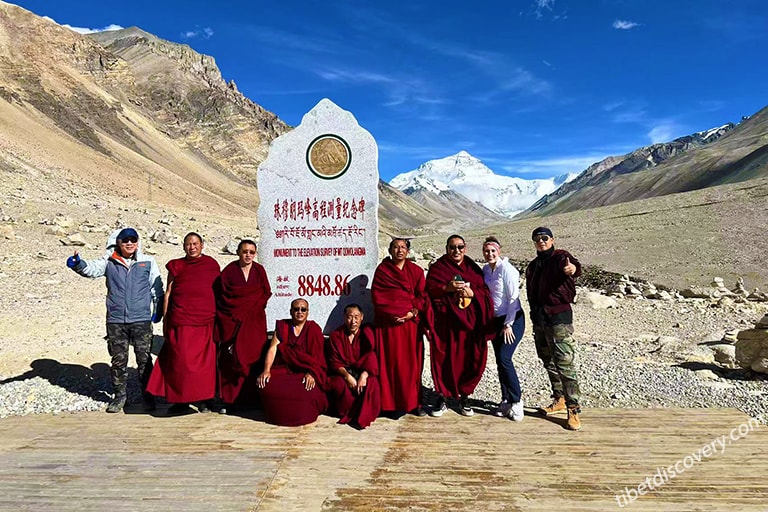 Our Guests visited Mount Everest in Summer, 2022
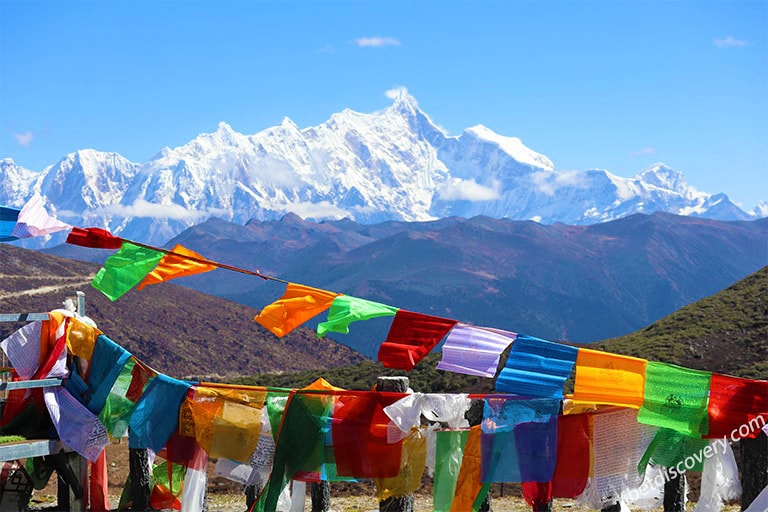 The Magnificent Scenery of Namjagbarwa Peak, Nyingchi
For most travelers heading to Tibet, Lhasa is just the starting point of the journey, not the final destination. The holy Mount Kailash and Mount Everest, as the ultimate destinations in Tibet, will take at least 8 ~ 10 days. From Lhasa, you can easily reach popular destinations such as Nyingchi, Shigatse, Gyantse, Shannan, Ngari, etc. If you have longer travel time, why not extend your Lhasa tour to other parts of Tibet?
Read more: How to Plan a Tibet Tour | Top Recommened Tibet Tours
4 More Days to Mount Everest - Once-in-a-lifetime Journey
As a famous saying in Tibet goes: "no Tibet tour is complete without visiting Mount Everest"! Mount Everest (8848.86m) is a once in a lifetime adventure that everyone should take, Especially you have already reached Tibet. From Lhasa, just need additional 4 days, transfer via Shigatse, then you can arrive at the Base Camp (5200m) on the north face of Mt. Everest, where you can view the most impressing sunset, sunrise, starry sky and highest peak in the world.
3 More Days to Nyingchi - Tibetan Switzerland
Set out from Lhasa eastward to Nyingchi to enjoy the most beautiful natural scenery on the Qinghai-Tibet Plateau. Here, you can witness breathtaking sunrise and sunset over snow-capped peaks, wander through lush valleys and serene villages. If you visit Nyingchi during the Peach Blossom Festival, the landscape will transform into a pink wonderland.
2-3 More Days to Gyantse & Shigatse - Golden Triangle Route
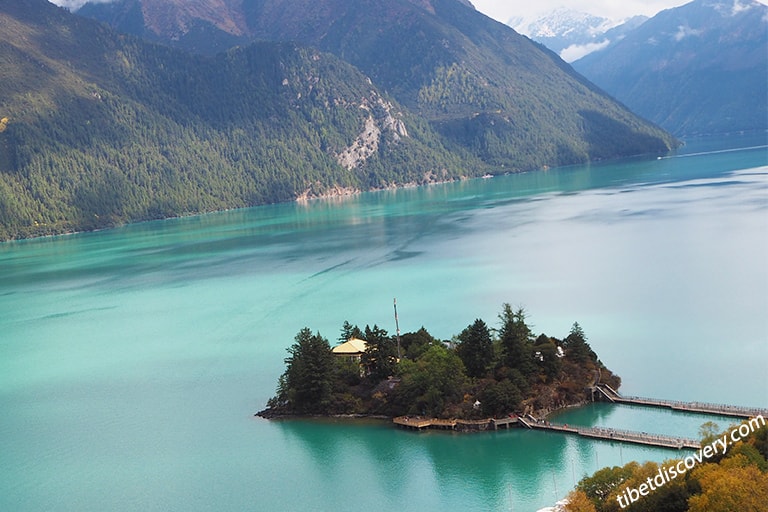
Begin your journey from Lhasa and head southwest toward Gyantse and Shigatse, two of the most culturally rich and scenic destinations in Tibet. In these historic towns, you can admire majestic monasteries, ancient fortresses, and sweeping Himalayan landscapes. Explore fertile valleys, traditional Tibetan villages, and vibrant local markets that showcase the region’s deep heritage.

1-2 More Days to Shannan - The Origin of Tibet
Start your trip from Lhasa and travel south into Shannan, one of Tibet’s most historic and spiritually significant regions. Here, you’ll find ancient temples, sacred lakes, and the legendary sites where Tibetan civilization is said to have begun. Shannan offers a harmonious blend of history, nature, and Tibetan tradition that makes every moment of the journey memorable.

5-8 More Days to Ngari - Dream Destination for Pilgrims
From Lhasa, head west toward the westernmost Ngari region, the real "the roof of the world" with many domanting peaks over 6000 meters. Mount Kailash (6656m), located in the southern part of the Ngari region, is worshiped as the sacred center of the universe for Buddhists, Hindus and Jains and also the dream destination for both pilgrims and travelers from all over the world. In Ngari, every stop reveals a powerful blend of spirituality, natural grandeur, and deep Tibetan heritage, creating an experience that is both awe-inspiring and unforgettable.
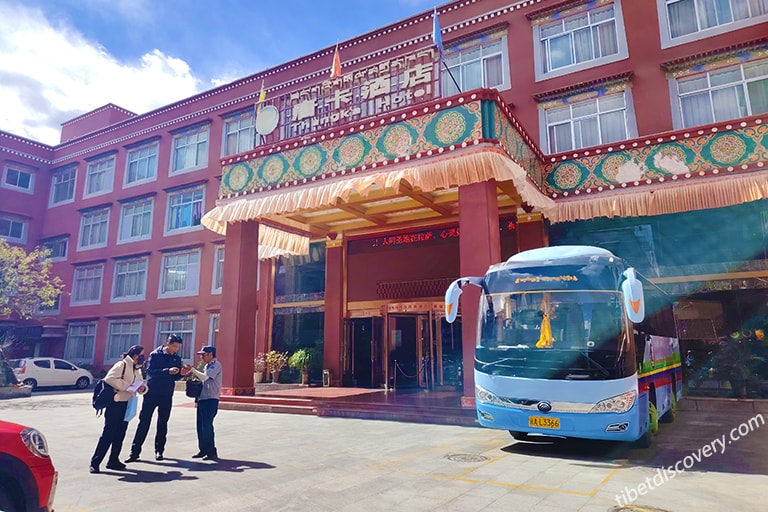 Tangka Hotel, Lhasa
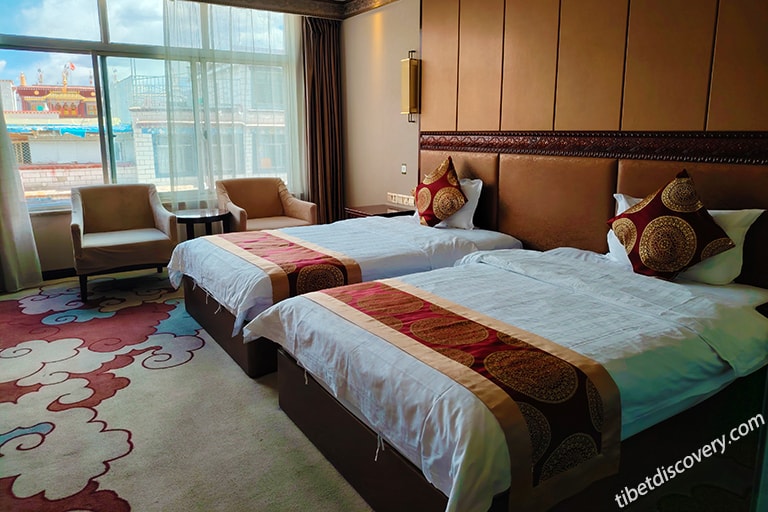 Guest Room of Thangka Hotel
For lots of hotels varied from two star to five star, visitors can choose where to stay in Lhasa personally. Most of the Lhasa hotels in city center offer good accommodation with modern amenities and high-qualities service with laundry/dry-cleaning and different style of breakfast, etc. Given that the majority of Lhasa's core attractions are situated within Chengguan District, most travelers opt to stay in this area for convenience.
Beyond the usual considerations like proximity to major attractions, convenient transportation, budget constraints, and quality services/amenities, there's one crucial factor to prioritize given Lhasa's high altitude of over 3,650 meters: opt for hotels with reliable oxygen supply (diffuse oxygen for stable room-wide oxygen enrichment, or portable oxygen concentrators for acute altitude sickness emergencies), 24/7 hot water, and heating systems, allowing you to stay comfortable and fully relax yourself.
Read more: Where to Stay in Lhasa | Lhasa Hotels
 Sample of Tibet Travel Permit
A Chinese visa is a must unless your nationality is on the visa-free list. In addition, a Tibet Travel Permit (also known as the Tibet Entry Permit) is required for all non-Chinese passport holders who plan to travel to Lhasa or any other region in Tibet. This permit is issued by the Tibet Tourism Bureau and can only be obtained through an authorized travel agency applying on behalf of travelers. The application process usually takes about 12 working days, so it's important to plan your Lhasa tour well in advance.
Read more: Tibet Travel Permit

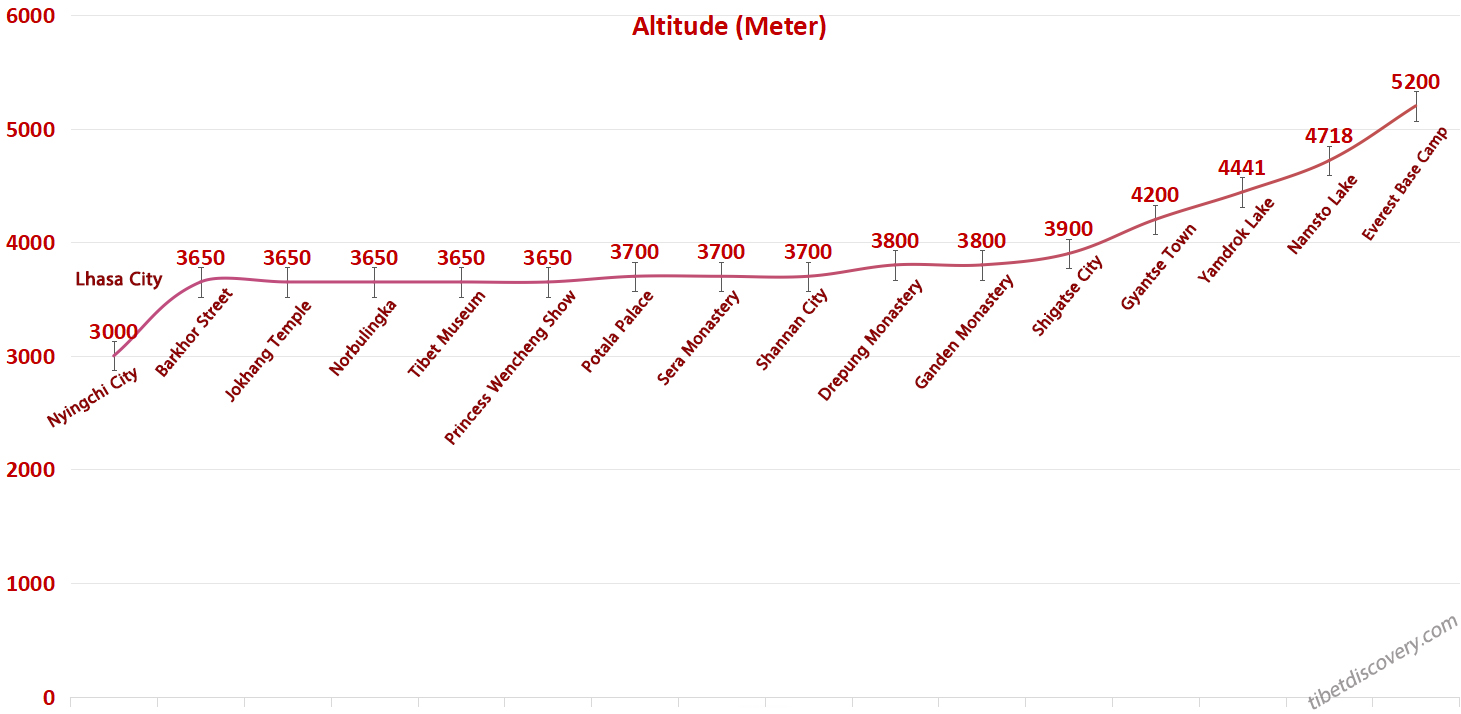 The Altitude of Main Sites in and around Lhasa
Lhasa sits at an average altitude of about 3,650 meters, which is higher than regions like Nyingchi but lower than some areas you may visit later in Tibet, such as Namtso or parts of Shigatse. Because of this, Lhasa is often recommended as a suitable starting point for a Tibet journey. Still, it is a high-altitude city, and taking care of your health is essential. It’s best to spend your first day in Lhasa City allowing your body to gradually adapt before exploring more remote areas.
The following are some precautions for adapting to high-altitude areas:
● Rest on Day 1 - Move slowly, avoid heavy activity.
● Drink More Water - Stay hydrated; avoid too much alcohol or caffeine.
● Eat Light Foods - Choose easy-to-digest meals (more carbs, less oil).
● Keep Warm - Wear layers; don’t let yourself get chilled.
● Don’t Overexert - Walk slowly, especially on stairs.
● Know Your Body - If you feel dizzy or get headaches, rest immediately.
● Use Oxygen if Needed - Many hotels offer it; use it if symptoms feel uncomfortable.
● Ask a Doctor Before Taking Any Medication - Only use preventive medicine with proper medical advice.
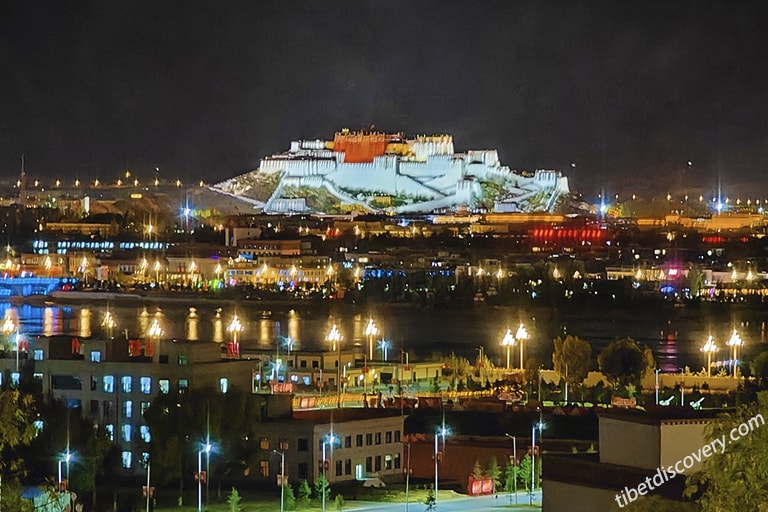 The Amazing Night View of Lhasa City
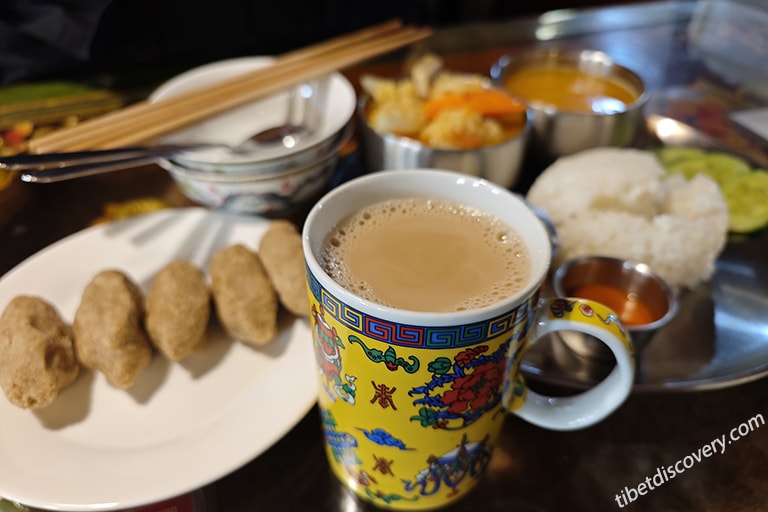 Taste Traditional Tibetan Food
Mobile Signal & Internet: Both China Mobile and China Telecom provide reliable 5G signal coverage within Lhasa. In most hotels, cafes, and restaurants in Lhasa, WiFi is usually available for free.
Payments & Cash: While mobile payments (WeChat Pay/Alipay) are becoming more common and credit/debit cards are accepted in some hotels, restaurants, and shops, coverage is still not universal. It is highly recommended to carry small denominations.
Transportation: The main traffic in Lhasa and its surrounding areas is by car. There are high-speed D-trains connecting Lhasa-Shigatse and Lhasa-Nyingchi. If you plan to travel outside Lhasa to some remote areas or want more flexibility, you can choose our private tours or customize your trip.
Tibetan Food: Try traditional meals like noodles or dumplings (momos), soups, and especially local specialties such as butter tea and barley bread. These give you a taste of real Tibetan cuisine and are also a good way to adapt to the high-altitude environment.
Language: In Tibet, the main languages are Tibetan and Mandarin. Some hotels, restaurants, and shops have staff who speak English. You can prepare translation apps for the local language in advance to communicate better with the locals.
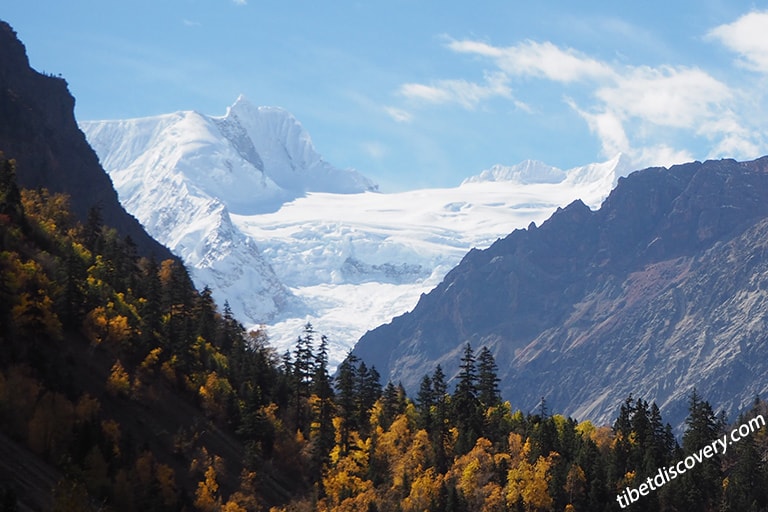
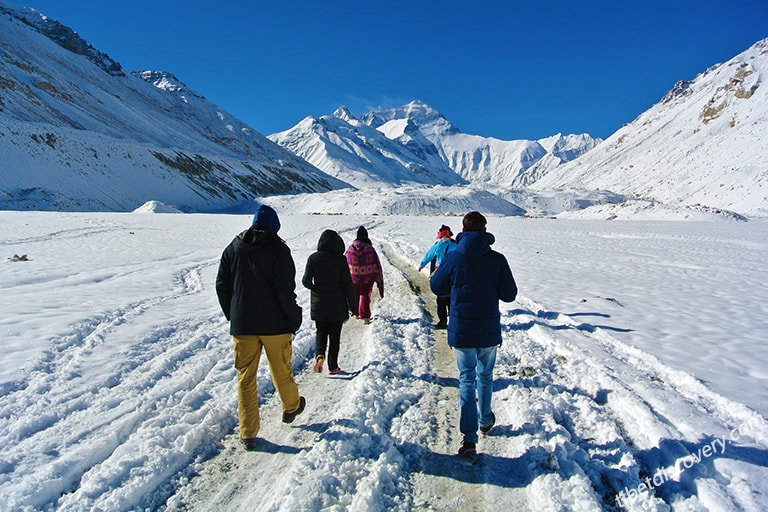 Our Editor visited Mount Everest in 2014
 Our Editor visited Namtso Lake in 2025
With over ten years of experience specializing in customizable Tibet tours, Tibet Discovery is dedicated to helping travelers enjoy authentic Lhasa tours, whether you're looking for a classic itinerary covering the must-see highlights or a deeper exploration of hidden gems. Our travel consultants and itinerary designers personally visit these destinations to ensure that every trip is thoughtfully crafted and based on real first-hand experience. Feel free to contact us for a customized Tibet tour.
As part of China Discovery with 5,020+ good reviews from our customer and 2,530+ reviews on TripAdvior, we share the same commitment to quality and service. With professional experience, we focus on understanding travelers' needs, refining our services, and creating well-paced, worry-free itineraries. Beyond Tibet, we also provide tailor-made tours to many other destinations across China, such as Beijing, Xian, Shanghai, Guilin, Zhangjiajie, and more. You can further explore our sister site, China Discovery, where you'll find comprehensive travel routes and inspiration for planning your next China adventure.
We look forward to welcoming you and helping you discover the beauty Tibet as well as other destinations in China with confidence and ease.
-

Lhasa / Yamdrok Lake / Gyantse / Shigatse / Mount Everest / Lhasa
8 Days Lhasa to Mount Everest Private Tour with Base Camp Experience
Highlights: Potala Palace, Jokhang Temple, Yamdrok Lake, Palcho Monastery, Everest Base Camp, Sakya Monastery, Tashilhunpo Monastery
-
Lhasa
4 Days Holy Lhasa City Highlights Private Tour with Cultural Heritage Treasure
Highlights: Potala Palace, Jokhang Temple, Barkhor Street, Norbulingka, Sera Monastery Monk Debate
-
Lhasa / Yamdrok Lake / Gyantse / Shigatse / Mount Everest / Namtso Lake / Lhasa
9 Days In-depth Tibet Discovery Private Tour plus Everest and Namtso Expedition
Highlights: Potala Palace, Jokhang Temple, Yamdrok Lake, Palcho Monastery, Everest Base Camp, Sakya Monastery, Tashilhunpo Monastery, Namtso Lake
Prefer to tailor a trip that totally suits your requirements and interests? Our 20+ professional, helpful and friendly travel experts are ready to help! Tell us your needs, and one of our experts will get to you with trip details within 0.5~23.5 hrs. You can also call us at 86-28-85227275 / 86-28-85223672.

 Karen
Karen Wonder
 Jack
Jack Rita
Rita Johnson
 Vivien
 Wing
Wing Ariel
Ariel Leo
Leo Tracy
Tracy Evelyn
 April
April Phoebe
 Kelly
Kelly Shirley
 Reya
Reya Juliet
 Elk
Elk Samantha
 Felix
Felix Sean
SeanOur specialists are always ready to help!
Have a question? Get answers from our travel experts soon!
- Your Question:
- Your Name:
- Your Email:
- Submit
Ask A Question
Why Discover Tibet with Us
Less research, more wonder
- We handle the planning.
- A personal travel consultant tailors your itinerary in real-time.
Your Pace, Your Journey
- Unique itineraries designed for discovery.
- Explore spontaneously and immerse yourself deeply.
All-Inclusive Packages
- Expert guides, transport, meals, hotels – all essentials covered.
- Professional guides handle every detail. Just experience Tibet.