

 Beijing + Tibet Tours
 Chengdu + Tibet Tours
 Shanghai + Tibet Tours
 Xining + Tibet Tours


7 Days Nyingchi Peach Blossom Festival Tour with Lhasa Highlights 2026
Romantic Journey with Sea of Flowers
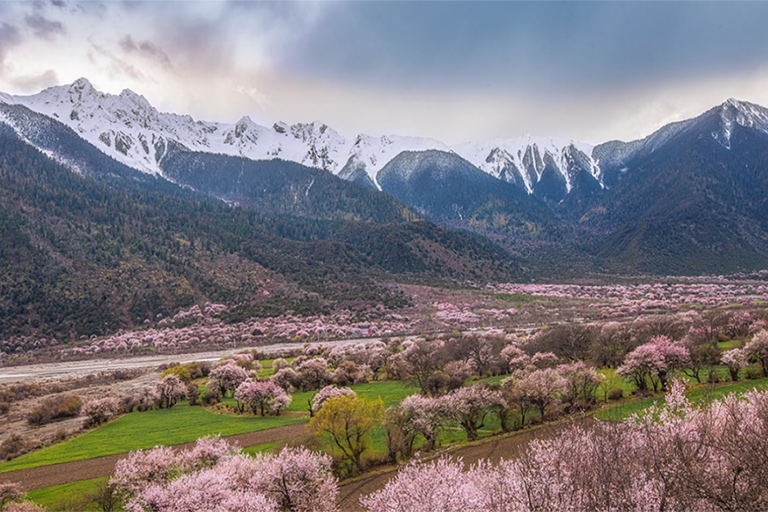
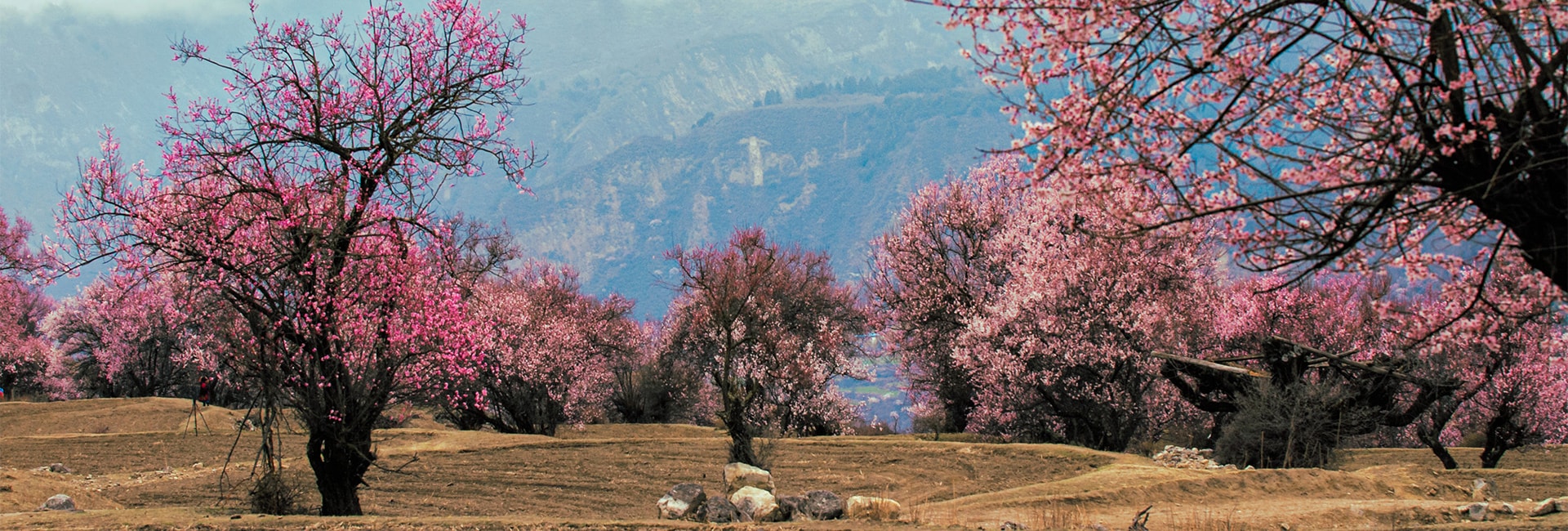
Ever dreamed of witnessing a spring wonderland in Tibet? The 2026 Nyingchi Peach Blossom Festival offers a rare chance to wander through vast valleys of soft pink blossoms set against dramatic Himalayan peaks—followed by a deep dive into the cultural soul of Lhasa.
This 8-day journey begins in Nyingchi, where spring paints the landscape with blooming peach trees. From the famous peach villages near the city to the idyllic valleys of Bomi County, you'll stroll through blossom-filled villages and riverbanks at the height of the festival. Along the way, admire Switzerland-like scenery: rolling grasslands, dense forests, snow-capped mountains, and crystal-clear emerald lakes. After immersing yourself in nature, continue to Lhasa to explore Tibet's spiritual heart. Marvel at the majestic Potala Palace, step into the sacred Jokhang Temple, wander the lively Barkhor Street, and visit Norbulingka, Drepung, and Sera Monasteries, where centuries of Tibetan Buddhist history come alive.
Designed with a relaxed pace, this itinerary balances natural beauty and cultural discovery. With convenient flights from major Chinese cities and Nyingchi's relatively comfortable altitude, it's an ideal spring journey, especially for first-time travelers to Tibet. By the end of the trip, you'll carry home unforgettable memories of peach blossoms in full bloom and the timeless spirit of Lhasa.
Good News: The 2026 Nyingchi Peach Blossom Festival will officially open on April 3, with the opening ceremony held at Gongbu Park in Nyingchi. Don't miss this once-a-year spring spectacle, and start planning now and secure your trip now!
- Type
Private Custom Tour
- Code
TD-NLT-08B
- Price
from
- Theme


- Physical Demands
- Destinations
Nyingchi / Bomi / Nyingchi / Lhasa
- Altitude
4,720m
Featured Experiences on This Tour



- Itinerary Details
- Included Services & Fees
- Reviews
- Gallery
- Make an Enquiry
Itinerary Details - Day by Day
Day 1 Nyingchi Arrival
Nyingchi Airport Pick-UpWelcome to Nyingchi, the “Switzerland of Tibet”. You will be met by your tour guide at the hall of Milin Airport, then be escorted to your hotel in Bayi Town. In the 1 hour's driving journey, you will be welcomed by the brilliant peach blossoms along road. The rest of today is free for you to acclimatize the altitude and explore surroundings.
Accommodate at Bayi Town and have a good rest.
-
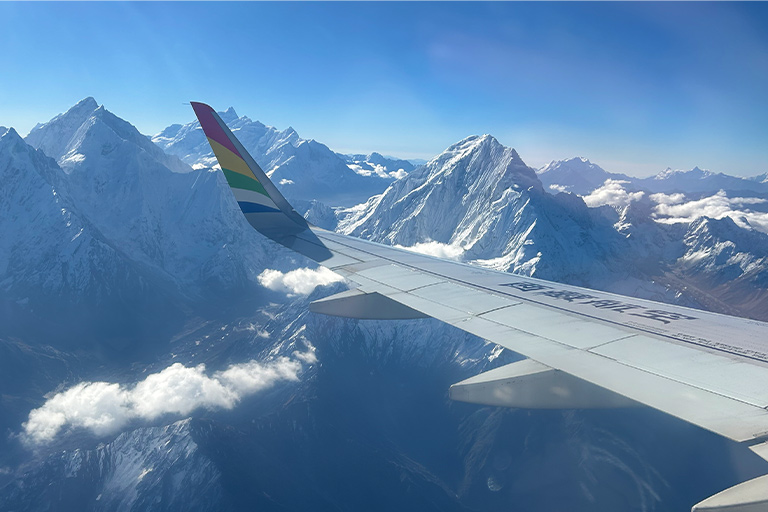 Enjoy Snow Peaks from the Flight to Nyingchi
Day 2 Nyingchi – Bomi / 230 km, About 4.5 hrs' Drive (B)
Today's Highlights: Gala Village, Mount Namjagbarwa, Lulang Forest, Gangcun VillageWake up to a peaceful morning in Nyingchi, surrounded by fresh mountain air and serene landscapes. After breakfast, your tour guide and driver will pick you up for the scenic drive to Bomi County, about 230 km away. Though the journey takes several hours, the drive itself is an unforgettable part of the adventure.
Firstly, you will drive about 12 km (around 20 mins) from Nyingchi City to Gala Village, a typical peach village where the opening ceremonies of several seasons of Nyingchi Peach Blossom Festival were held. In the valley of Gala Village, you can see the peach flowers burst into bloom. Combining with the green crops and mountains, these flowers will undoubtedly make you hooked. Climbing the the viewing-deck, you will be awed at the sea of peach blossom.
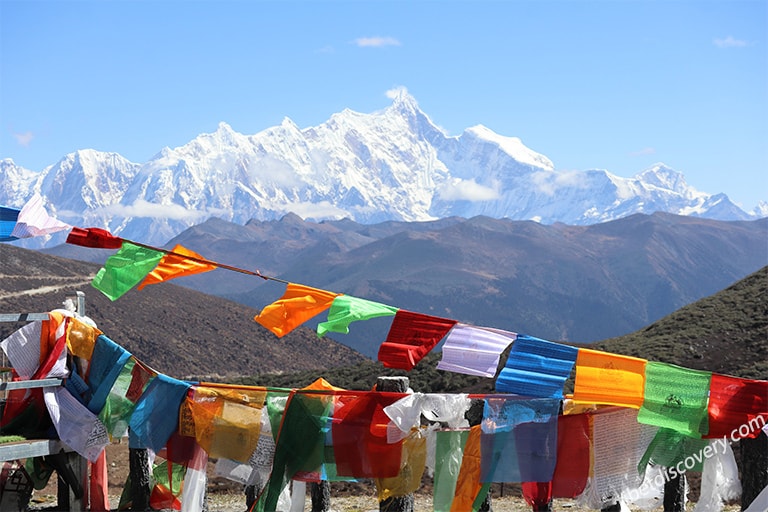
After sightseeing, contiune your trip to Sejila Pass Observatory. On clear days, you may catch sight of the majestic Mount Namjagbarwa (7,782 m), soaring above the clouds with extraordinary grace. Known as one of China’s most beautiful peaks, it stands at the eastern end of the Himalayas, often shrouded in mist and mystery.
Continue driving westward, and soon the dense forest gives way to the vast greenery of Lulang Forest, one of Nyingchi's most iconic natural wonders. Stop at the best viewing platform to take in a sweeping panorama of alpine meadows, snow-capped peaks, and rolling woodlands. The scenery here changes with the seasons, lush and vibrant in summer, golden and serene in autumn, each offering its own charm.
After that, continue your journey for about 150 km (3 hours) to Bomi County, known as one of the most beautiful valleys in southeastern Tibet. The drive offers a constantly changing landscape, and the route is filled with vibrant peach blossoms, creating a breathtaking pink corridor. Beofe reaching the county, you will take a stop at Gangcun Village, a small hamlet hidden amid drifting clouds and mist, is home to Bomi's most untouched and pristine peach blossom wonderland.
Tips for Today: 1) The altitude at Sejila Pass is relatively high, so walk slowly, avoid strenuous activity, and drink water frequently in small sips to stay comfortable. 2) A light jacket and sunglasses are recommended, as the weather can shift quickly from sunshine to mist in the mountain areas. 3) Take a walk along the river at night to enjoy the beautiful night view of Bomi County.
-
 The Viewing-deck at Gala Village
-
View Namjagbarwa Peak from Sejila Pass
-
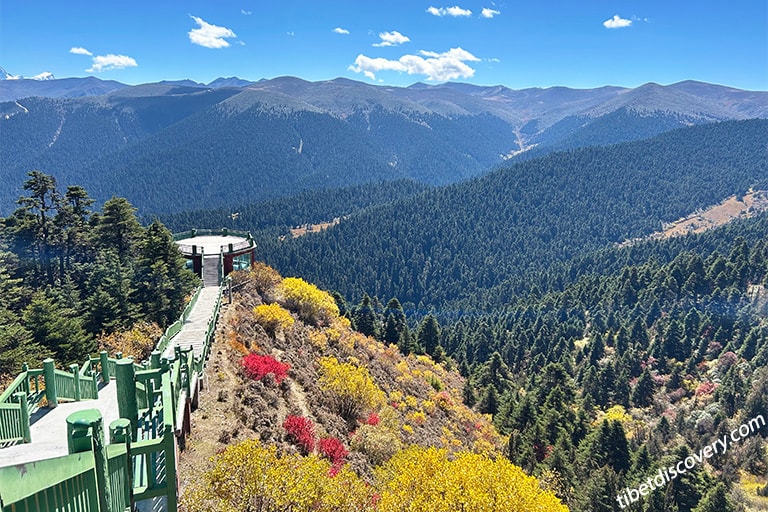 Lulang Forest View in Late October
-
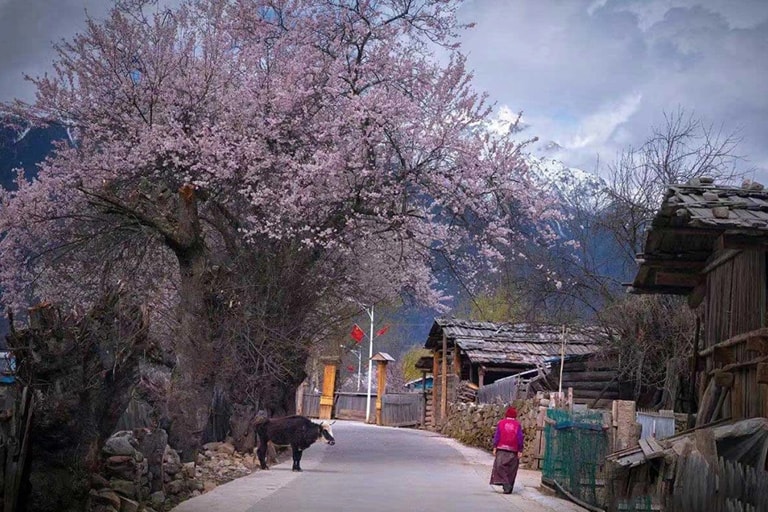 Gangcun Village in Bomi
Day 3 Bomi County - Bomi Peach Blossom Valley - Nyingchi / 230 km, About 4.5 hrs' Drive (B)
Today's Highlights: Bomi Peach Blossom Valley, Galang VillageAfter breakfast, begin an in-depth exploration of Bomi Peach Blossom Valley, one of Nyingchi's most celebrated peach blossom regions. Nourished by the Yarlung Zangbo River, the valley's peach trees produce larger and exceptionally vibrant blooms. Majestic snow-capped peaks rise around the valley, creating a striking scene where spring flowers seem to be gently embraced by lingering winter.
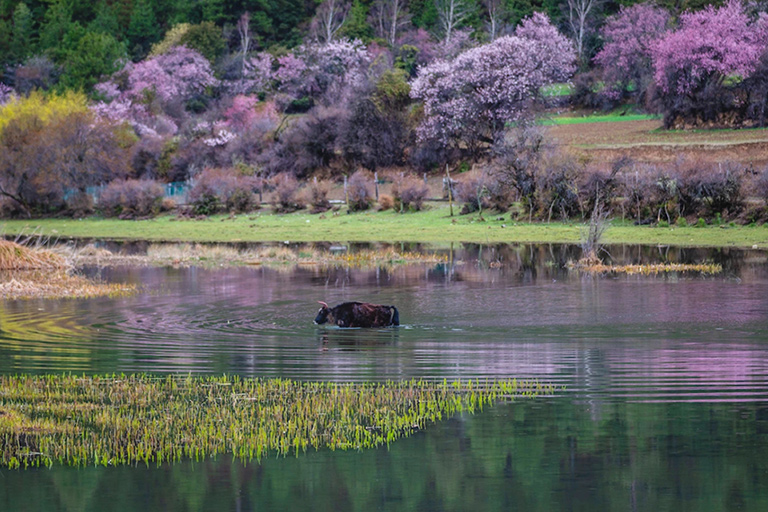
Traveling through Bomi Peach Blossom Valley from Galang Village to Runa Village and onward to Qingduo Town, you will pass a continuous corridor of peach blossoms stretching tens of kilometers. Along the way, the valley's villages offer unique glimpses into local life. In Galang Village, charming settlements add their own flavor to the floral panorama. The blossoms reflected in Galang Lake create a picture-perfect scene, and in the early morning mist, the lake transforms into a dreamy pink mirror, soft, poetic, and unforgettable.
After sightseeing, drive back to Nyingchi City, with another chance to admire the majestic Namjagbarwa Peak along the way. Have a good rest in Nyingchi City.
-
 Galang Village in Bomi Peach Blossom Valley
Day 4 Nyingchi – Basum-tso - Lhasa / 470 km, About 6.5 hrs' Drive (B)
Today's Highlights: Kadinggou, Basum-tso LakeAfter breakfast, we begin our journey from Nyingchi to Lhasa, with a memorable stop at the breathtaking Basum-tso Lake. En route to the lake, you will pass by lush green rivers, dense forests, traditional Tibetan homes, and local farmlands where modern machinery can be seen at work.
After about a 30-minute drive, we'll reach Kadinggou, a scenic park renowned for its primeval forest and the Heavenly Buddha Waterfall, which plunges over 200 meters down a steep cliff. Within the mist, a naturally formed Buddha image appears and disappears, flanked by two guardian figures—adding a sense of mystery and sacredness to the scene. A short hike is required, but the refreshing air, birdsong, and the thunderous sound of falling water make it a truly delightful experience.
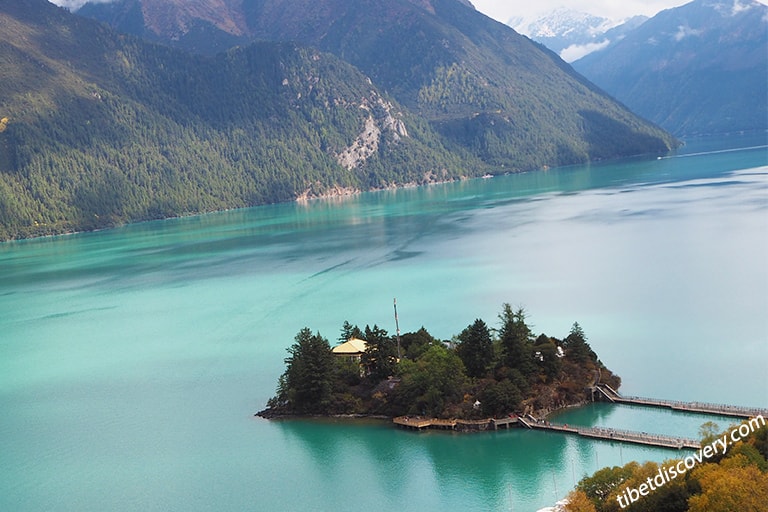
As we approach Basum-tso Lake, the scenery becomes increasingly captivating. Situated 3,500 meters above sea level, this pristine lake mirrors the snow-capped peaks and glaciers of the Nyenchen Tanglha Mountains. A short hike leads to a viewing platform, where you can take in a stunning panoramic view of the turquoise waters. On clear days, the lake's surface shifts between brilliant emerald and deep sapphire hues as clouds drift overhead—creating a scene like scattered jewels.
After admiring the vista, you'll descend to the lakeshore and cross a bridge to the central island. Here, a small Nyingma-sect Tibetan monastery awaits. You may observe pilgrims and visitors circling the white pagoda and turning prayer wheels. The island is also known for its "Three Wonders": the Taobao Pine, the Treasure House of the Dragon King, and the Tiger Claw Marks—each adding a touch of mystery and legend to your visit.
After immersing yourself in the beauty of the lake, continue the scenic drive to Lhasa.You will arrive in the late afternoon, and you will have time to check in, unwind, and acclimatize to the city's serene atmosphere.
Today, we will drive to the holy City Lhasa. The whole journey takes about 7 hours’ driving. On route, you will take a sidetrip to visit Basum-tso Lake. Basum-tso Lake, 3,500 meters above sea level, originates from Nyching Tangha Mountain and is a dozen kilometers long. Snow-covered mountains, glaciers and trees are reflected upon the lake’s rippling surface. There are small islands in the middle of the lake with Buddhist temples built upon them.
After the sightseeing in Basum-tso Lake, you will drive to Lhasa alongside the picturesque Niyang River, the longest tributary of the Yarlung Tsangpo River. There are some peach flowers for your sightseeing as well. When you pass through Gongbo Gyamada county (in upper reach of Niyang River), you can also enjoye the clustering peach blossoms along the National Highway 318.
Arrive in Lhasa and take a good rest in the hotel.
-
Central Island in Basum-tso Lake
-
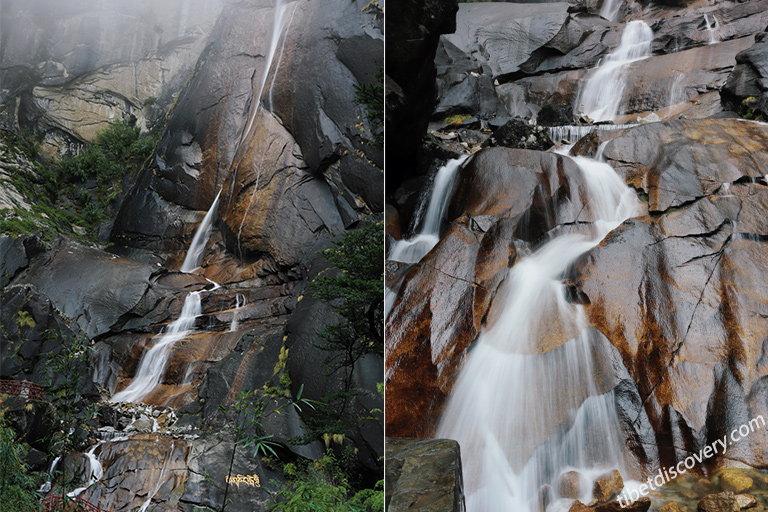 Heavenly Buddha Waterfall in Kadinggou
-
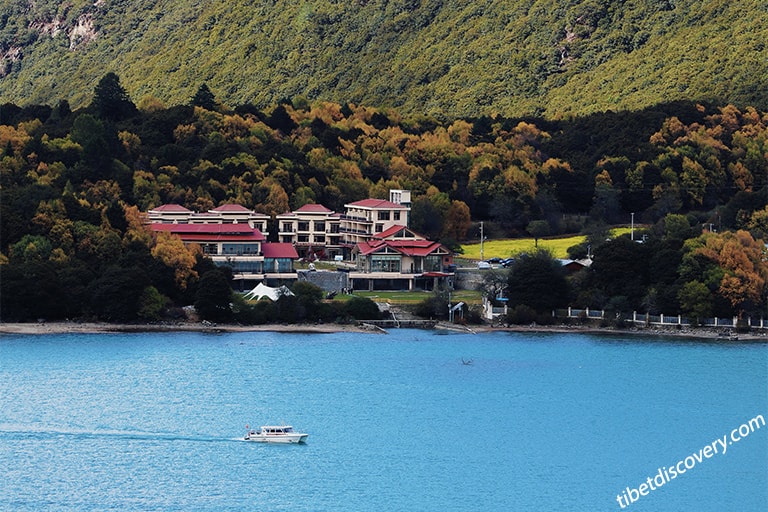 The Serene Waters of Basum-tso Lake
Day 5 Lhasa City Tour (B)
Today's Highlights: Norbulingka, Tibet Museum, Sera MonasteryToday, you will explore Lhasa’s city and suburban attractions accompanied by your local guide, gaining deep insight into Tibetan history and culture. Your journey will begin at the Tibet Museum, where carefully curated exhibits trace the region’s past from the Paleolithic era to the rise of early civilization. Highlights include ancient stone tools and pottery, exquisite Buddhist statues, vivid Thangka paintings, and invaluable relics such as gold seals and traditional manuscripts. Next, visit Norbulingka, the summer palace of Lhasa. This expansive garden complex, filled with rare flowers and lush greenery, is often called the “Plateau Oxygen Bar.” Beyond its elegant Tibetan-style architecture, Norbulingka is also a vibrant cultural venue, hosting major Tibetan celebrations and performances, most notably the traditional shows during the annual Shoton Festival (June 30th in the Tibetan calendar, lasting about a week).
In the afternoon, head to Sera Monastery, one of Lhasa’s most renowned monasteries, famous for its daily Buddhist debating sessions. In the courtyard, monks engage in animated debates on Buddhist philosophy, using expressive gestures to sharpen understanding and deepen their studies-an unforgettable cultural experience. After enjoying the "Buddhism Debating", you will be transferred back to the city.
Optional Activity: If there is extra time, it is highly recommended to watch the outdoor live performance of Princess Wencheng at evening. Princess Wencheng Show, performed usually during 21:30~23:00 (late April to Early October), presents the Chinese and Tibetan history and culture through the story that Princess Wencheng of Tang Dynasty married Songtsen Gambo 1,300 year ago. Since the performance is outdoors and the nighttime temperatures in Lhasa are relatively low, please make sure to dress warmly in advance.
The Etiquette of Visiting Monastery: 1) you shouldn't wear short and uncover shoulders; 2) taking off your sunglasses and hat before entering the monastery; 3) taking photos and videos are usually not allowed inside the monastery.
-
Buddhism Debating in Sera Monastery
-
 Norbulingka Summer Palace in October
-
 Tibet Museum with Traditional Tibetan Style Architecture
-
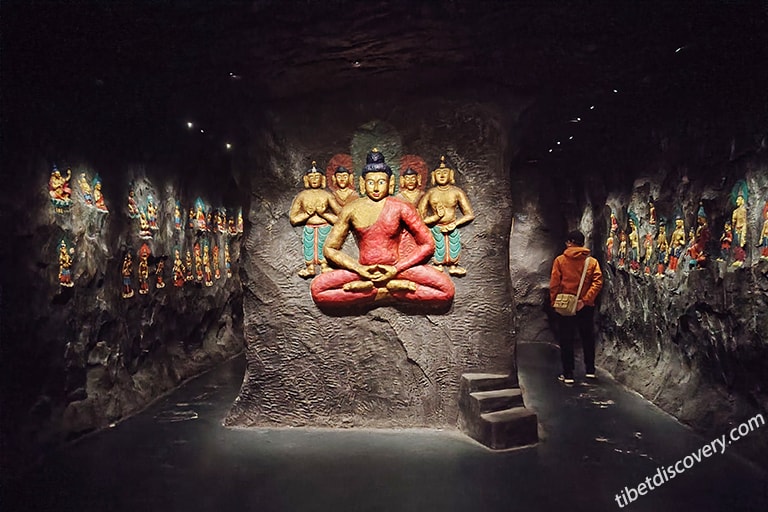 Buddha Statues Exhibited in Tibet Museum
Day 6 Lhasa Potala Palace (B)
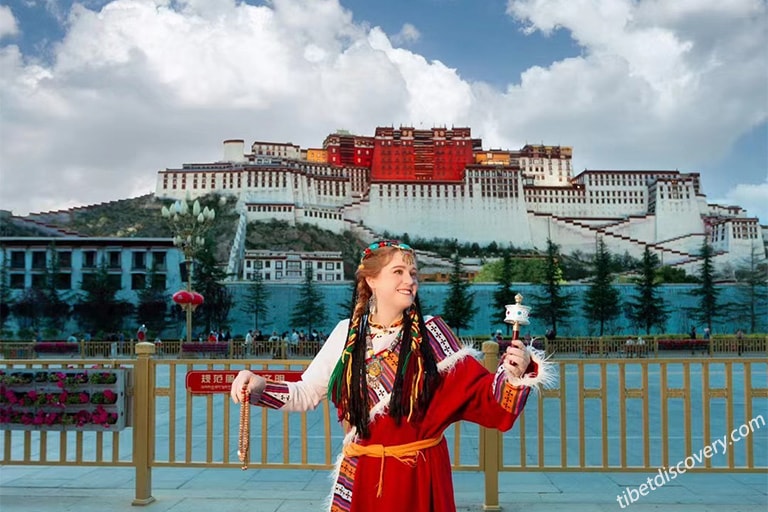
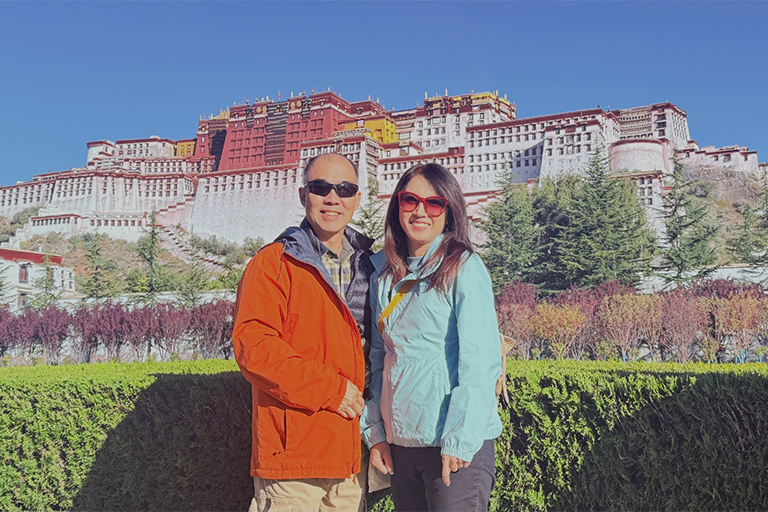
Today's Highlights: Potala Palace, Jokhang Temple, Barkhor StreetStart today's cultural heritage journey from the Potala Palace Square, where you can admire the grandeur of Potala Palace and capture classic photos of its magnificent front facade. From here, continue to the landmark - Potala Palace, an outstanding symbol of Tibetan architecture mainly composed of the White Palace and the Red Palace with many cherished cultural heritages. After entering the gate of Potala Palace, you need to walk up about 30 minutes along the zigzag stone paths with white-and-red walls to the White Palace. Remember to ascend the steps slowly and take some stops for sightseeing and rest which will be helpful to reduce high altitude sickness. Then you will explore the palace in an orderly way from the White Palace to the Red Palace with explanations accompanied by your local guide. After exploring Potala Palace, enjoy a leisurely walk through Zongjiao Lukang Park, a scenic lakeside park located behind the palace. Here, you can experience authentic local life, often seeing Tibetans gathering for singing and dancing, chatting, exercising, and walking kora. On clear days, the lake also offers beautiful reflections of Potala Palace.
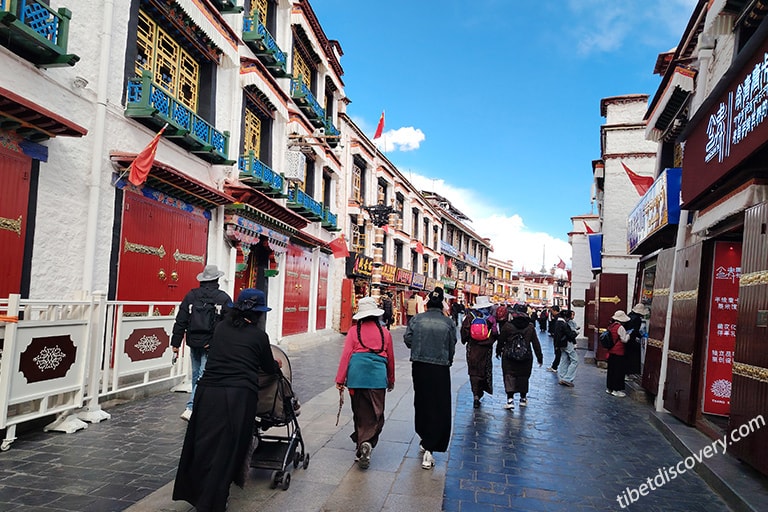
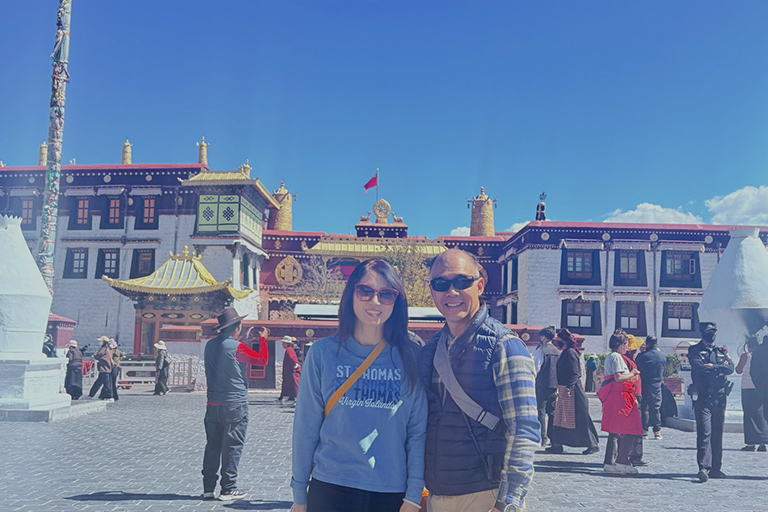
Continuing your exploration, you will then get to Jokhang Temple, widely regarded as the spiritual heart of Lhasa and the most sacred religious site in Tibet as it enshrines the revered Jowo Rinpoche, a life-sized (about 1.5 meters / 5 feet) statue of Shakyamuni Buddha depicting him at the age of twelve. In the square before the temple, you will witness devoted pilgrims performing full-body prostrations, gradually polishing the stone flagstones beneath them-a deeply moving and unforgettable sight. The day’s exploration concludes at Barkhor Street, the bustling circular street that surrounds Jokhang Temple. The local Tibetans usually walk clockwise on the street for several circles, as part of their daily pilgrimage. Lined with lively shops and stalls, Barkhor Street is also an excellent place to browse for traditional Tibetan handicrafts and local specialties, offering a vibrant glimpse into both the spiritual and everyday life of Lhasa.
Optional Activity: If your physical strength permits, you can take a short climb to the Chakpori Hill Viewing Platform, which is precisely the location featured on the back of China's fifth series 50-yuan banknote. From this platform, you can appreciate the terraced architecture of Potala Palace ascending the mountainside.
Tips of today: 1) Potala Palace (3,700m) is situated at a higher elevation than the average city altitude (3,650m) and requires climbing many steps, so please walk slowly and take breaks as needed; 2) taking photos, videos and wearing hats are not allowed in the palace; 3) please bring some water, a hat, sun cream, and sun glasses with you.
-
 An Interesting Souvenir Shop at Barkhor Street
-
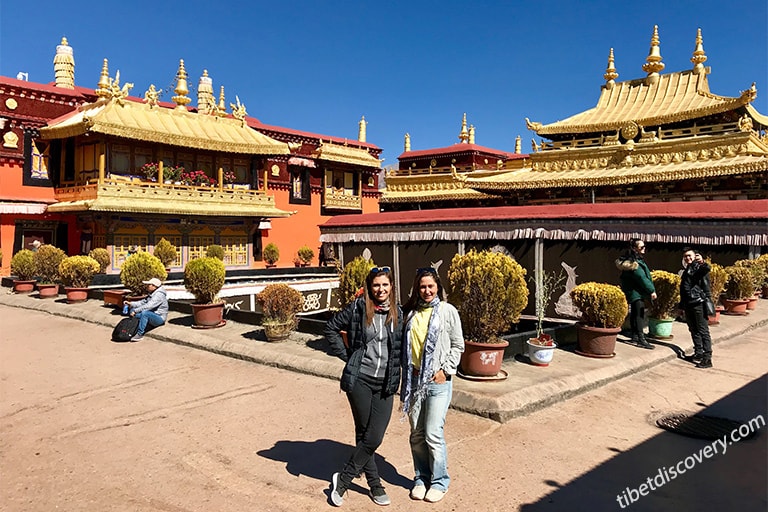 Jokhang Temple - Julie
-
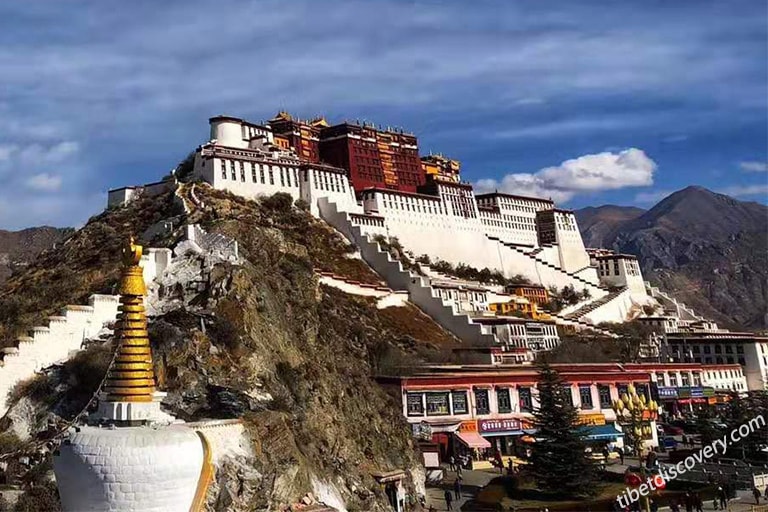
Day 7 Lhasa Departure (B)
Lhasa Airport or Train Station Drop-OffToday is free for you until your tour guide and private driver transfer you to the airport in time for your flight or drop you off at Lhasa train station.
Tips of today: 1) please pack your luggage carefully, especially for small things like camera charger, power adaptor, mobile phone, phone charger, wallet and towel; 2) if your flight is arranged in the afternoon, please make sure you check out the hotel before 12 PM.

Useful Trip Notes
Other Recommended Tour Packages
-

Nyingchi / Lhasa / Namtso / Lhasa
7 Days Nyingchi Lhasa Tour Plus Heavenly Namtso Lake
Highlights: Namtso Lake, Potala Palace, Jokhang Temple, Basum-tso Lake, Lulang Forest
-

Nyingchi / Lhasa / Yamdrok Lake/ Lhasa
7 Days Splendid Nyingchi Lhasa Tour with Basum-tso Lake & Yamdrok Lake
Highlights: Yamdrok Lake, Basum-tso Lake, Lulang Forest, Potala Palace, Jokhang Temple
-

Nyingchi / Lhasa / Gyantse / Shigatse / Mount Everest / Lhasa
10 Days Awe-inspiring Nyingchi Lhasa Everest Adventure Tour
Highlights: Mount Everest, Potala Palace, Jokhang Temple, Yamdrok Lake, Tashilhunpo Mounastery, Basum-tso Lake, Lulang Forest
-
Nyingchi
5 Days Nyingchi Peach Blossom Festival Tour
Highlights: Basum-tso Lake, Lulang Forest, Gala Village, Bomi Peach Valley
Prefer to tailor a trip that totally suits your requirements and interests? Our 20+ professional, helpful and friendly travel experts are ready to help! Tell us your needs, and one of our experts will get to you with trip details within 0.5~23.5 hrs. You can also call us at 86-28-85227275 / 86-28-85223672.

 Karen
Karen Wonder
 Jack
Jack Rita
Rita Johnson
 Vivien
 Wing
Wing Ariel
Ariel Leo
Leo Tracy
Tracy Evelyn
 April
April Phoebe
 Kelly
Kelly Shirley
 Reya
Reya Elk
Elk Samantha
 Bliss
Bliss York
York Felix
Felix Sean
Sean